


Nutritionists Say You’re Probably Cooking Your Chicken Wrong—Here’s the Fix

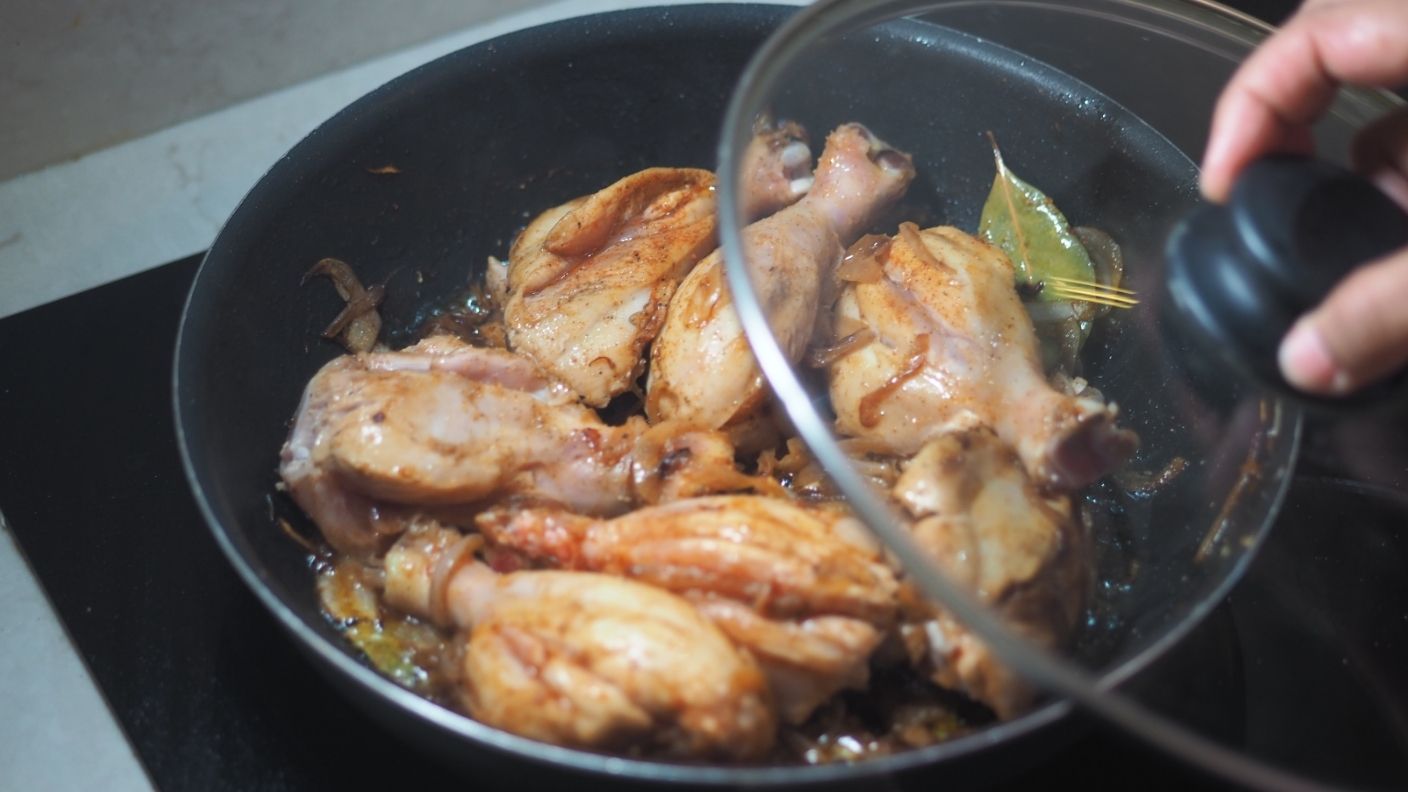

Chicken shows up on dinner tables more than almost any other protein, which makes it easy to cook on autopilot. The same pan, the same habits, and the same slightly dry result night after night.
The trouble is that a few of those habits do more than hurt the flavor. Some quietly raise the risk of foodborne illness, while others turn a lean, protein-rich cut into something tough and chewy, and most of them take only a small tweak to fix.
Rinsing Raw Chicken in the Sink
Plenty of home cooks were taught to rinse chicken before cooking, believing it washes away bacteria. In reality, food safety experts at the USDA advise against it, because splashing water can spread germs like salmonella across the sink, counters, and nearby food.
Cooking is what kills bacteria, not rinsing. If the chicken looks wet or slimy, pat it dry with paper towels, throw them away right after, and wash your hands and any surfaces it touched.
Thawing It on the Counter
Leaving frozen chicken on the counter all afternoon seems harmless, but the outer layer can warm into the temperature zone where bacteria multiply quickly. That can happen long before the center has fully thawed.
The safer options are thawing in the fridge overnight, submerging the sealed package in cold water and changing the water every 30 minutes, or using the microwave’s defrost setting. Chicken thawed with cold water or the microwave should be cooked right away.
Guessing When It’s Done
Cutting into chicken to check the color is one of the most common habits, and also one of the least reliable. Juices can run clear before the meat is safe, and some fully cooked chicken still looks a little pink near the bone.
An instant-read thermometer takes the guesswork out completely. Chicken is safe once the thickest part reaches 165°F (74°C), and checking with a thermometer also stops people from overcooking it out of caution.
Cooking Breasts at Uneven Thickness
Chicken breasts are naturally thick at one end and thin at the other. By the time the thick end is cooked through, the thin end has usually turned dry and stringy.
The fix is simple: place the breast between two sheets of parchment and gently pound the thicker part until the whole piece is even. Slicing large breasts horizontally into two thinner cutlets works too and helps them cook faster.
Skipping the Salt Ahead of Time
Seasoning right before the chicken hits the pan only flavors the surface. Lean cuts like breasts benefit from a little more planning.
A dry brine, which simply means salting the chicken and letting it sit in the fridge for at least 30 minutes or up to a day, helps the meat hold onto moisture as it cooks. The result is noticeably juicier chicken without any extra fat or calories.
Crowding the Pan
Piling too many pieces into a skillet drops the temperature fast. Instead of searing, the chicken releases moisture and ends up steaming, which leaves it pale and rubbery rather than golden.
Leave space between each piece and cook in batches if needed. Make sure the pan and oil are properly hot before the chicken goes in, and resist moving it around until it releases easily from the pan.
Using the Same Cutting Board for Everything
Slicing raw chicken and then chopping salad vegetables on the same board is an easy way to spread bacteria to food that won’t be cooked. The same goes for knives and tongs that touched raw meat.
Keeping a separate cutting board just for raw meat is the easiest solution. Otherwise, wash the board and utensils in hot, soapy water before using them for anything else, and never put cooked chicken back on a plate that held it raw.
Cutting In Right Away
Slicing into chicken the moment it comes off the heat sends its juices running onto the cutting board. That moisture is a big part of what keeps the meat tender.
Letting it rest for about five minutes gives those juices time to settle back into the meat. A loose tent of foil keeps it warm while it rests, so there’s no need to worry about it going cold.
Treating Thighs Like Breasts
Thighs are safe at 165°F, just like breasts, but pulling them off the heat right at that number can leave them slightly chewy. Dark meat has more connective tissue that needs a bit more heat to soften.
Cooking thighs to around 175 to 185°F breaks down that tissue and makes them far more tender. Thanks to their higher fat content, they stay juicy at those temperatures, which makes them one of the most forgiving cuts in the kitchen.
RELATED ARTICLE: Tired of Making the Same Chicken Dinner? Try These 9 Ideas Instead
