


I Gave Up Coffee and Switched to Matcha for 30 Days—The Energy Shift Was Hard to Believe


For plenty of people, the day doesn’t really start until the first coffee is in hand. Morning cup, afternoon cup, a quick stop at the café on the way to work, and the routine runs on autopilot for years.
Alexa Mellardo, a wellness and food writer from Greenwich, Connecticut, had been living that routine since college. Then she decided to swap every cup for something green and frothy for a full month, and what she noticed went well beyond the taste.
The Coffee Habit She Started With
Mellardo was a devoted two-cups-a-day coffee drinker, usually with a stop at Starbucks in the morning and again in the afternoon. At home, her favorite was hazelnut coffee with a splash of almond milk and a sprinkle of cinnamon.
She genuinely loved it. The problem wasn’t the flavor but how coffee made her feel afterward, and that was enough to make her curious about trying something different for 30 days.
How the Swap Actually Worked
Her plan was straightforward. She replaced each coffee with a cup of matcha, drinking one first thing in the morning and the second in the early afternoon, the same times her coffee breaks used to happen.
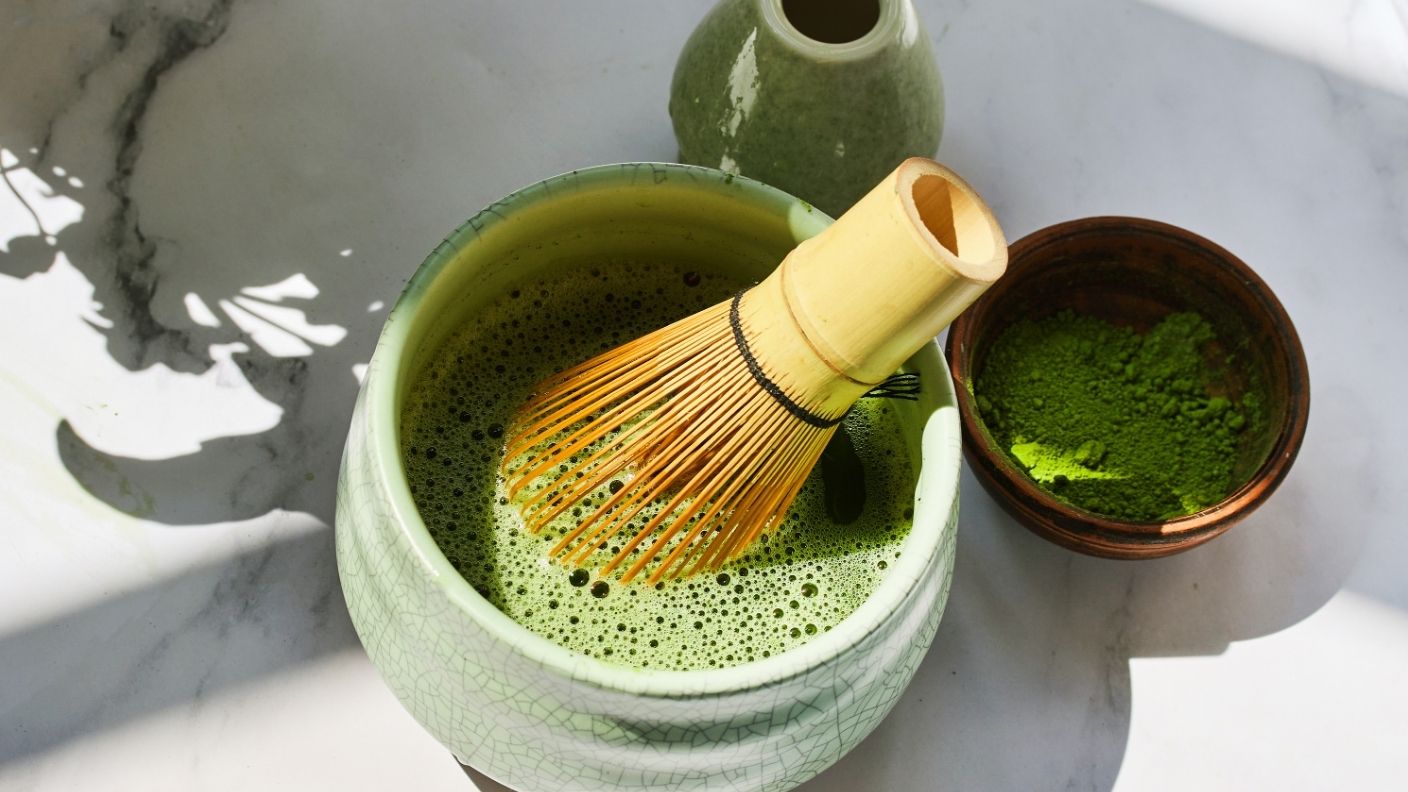
She used a 100% organic matcha powder, whisking it with hot water and a little almond milk for a smooth, creamy drink. Keeping the timing the same made the switch feel less like giving something up and more like trading one ritual for another.
Energy Without the Jitters
The biggest change showed up in how her energy felt. Coffee had always given her the boost she needed, but it often left her feeling on edge, anxious, and a little hyper after just one or two cups.
Matcha still woke her up, but the energy felt calmer and steadier. She described it as relaxed alertness rather than a buzz, which made a real difference during the afternoon slump when she used to reach for a second coffee.
Why Matcha Feels Different
Matcha is made from whole green tea leaves ground into a fine powder, so you drink the entire leaf rather than steeped water. It generally contains less caffeine than a standard cup of brewed coffee, though the exact amount depends on the grade and how much powder goes in.
It also contains L-theanine, an amino acid linked to a calm-but-focused state. The dietitians Mellardo spoke with explained that pairing it with caffeine helps create mental alertness without the edgy feeling, and research suggests the combination may support steadier focus than caffeine alone.
She Liked the Taste More
Mellardo admits she didn’t expect to enjoy matcha’s flavor as much as she did. Its natural, earthy taste won her over, and by the end of the month, she preferred it to coffee.
She wonders whether years of drinking coffee had made every cup taste the same, especially after she’d already cut back on sweeteners and creamers. Whisking up a matcha felt more like a small treat than simply getting a caffeine fix.
The Antioxidant Appeal
Part of what drew her to the experiment was matcha’s reputation as a health booster. It’s especially rich in EGCG, a type of antioxidant found in green tea that’s been studied for its potential to reduce inflammation and protect cells from damage.
Some of the bigger claims around matcha, including effects on weight loss and disease prevention, are still being researched and largely come from early or lab-based studies. Coffee has its own well-documented benefits too, so the switch is less about one drink being good and the other bad.
It Felt Easy to Keep Going
For Mellardo, the real test was whether she could stick with it. Matcha turned out to be an easy habit to keep, delivering the comfort, energy, and ritual she wanted from her daily cup.
By the end of 30 days, she was hooked and planning to make matcha her regular morning drink. Enjoying the taste was the final piece, since a healthy habit is much easier to keep when it doesn’t feel like a sacrifice.
What to Know Before Making the Switch
Matcha still contains caffeine, so it isn’t a good fit for anyone avoiding caffeine entirely, and late-afternoon cups can still affect sleep. Quality varies widely too, and sweetened café matcha lattes can pack a surprising amount of sugar.
Anyone cutting coffee cold turkey may also notice headaches or tiredness for a few days. Swapping one cup at a time, as Mellardo’s routine naturally did, can make the transition smoother.
RELATED ARTICLE: Why Replacing Your Morning Pre-Workout With This Ancient Japanese Drink Changes Everything
