


9 Foods That Changed Completely After Americans Got Their Hands on Them


Food rarely survives a trip across an ocean untouched. New ingredients, bigger appetites, and a very American love of convenience have a way of reshaping dishes until their original cooks might barely recognize them.
Some of the most familiar items on American menus today started out as something quite different. A few would even confuse the people back home who invented them.
Pizza
In Naples, a classic pizza is thin, soft in the center, and topped with little more than tomato, mozzarella, basil, and olive oil. It’s often eaten with a knife and fork, and the whole thing is meant for one person.
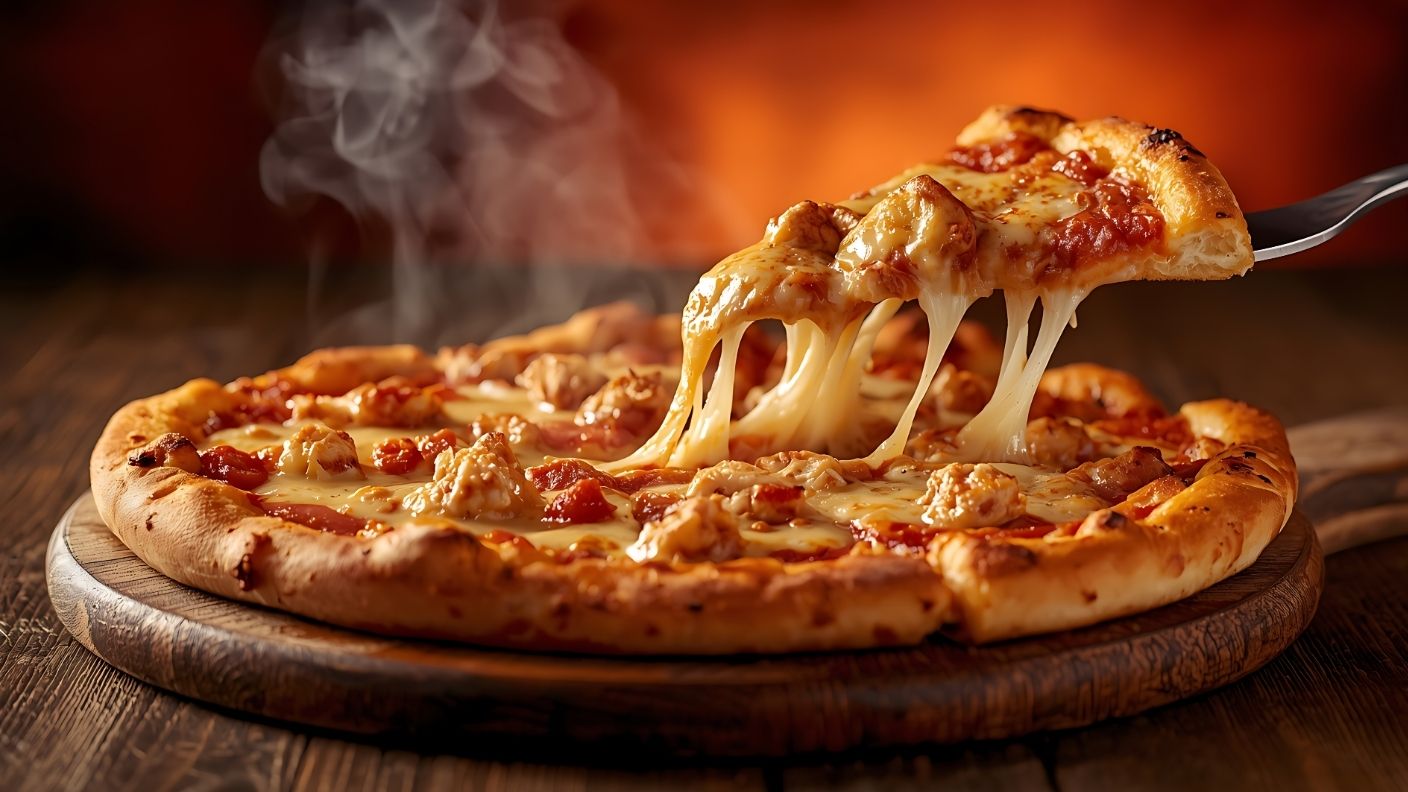
American pizza went in every direction at once. New York slices got wide and foldable, Chicago built a deep-dish version that’s closer to a casserole, and pepperoni became the most popular topping in the country, even though it’s an Italian-American creation you won’t find on menus in Italy.
Fortune Cookies
These crisp folded cookies are a near-universal ending to Chinese takeout in the U.S. Yet they’re almost unheard of in China, and their roots actually trace back to a Japanese cracker flavored with sesame and miso.
Bakeries in California turned them into the sweeter, vanilla-scented version Americans know, then tucked paper fortunes inside. Chinese restaurants adopted them, and a Japanese snack became a symbol of Chinese-American dining.
General Tso’s Chicken
The original dish was created by a chef in Taiwan and leaned savory, sour, and a little spicy. The chicken wasn’t heavily battered, and sweetness played only a small role in the sauce.
The American version took a sharp turn toward sugar. Thick, crunchy batter and a glossy, sweet-spicy glaze made it a takeout superstar, so popular that it bears only a passing resemblance to the dish it started from.
Bagels
Traditional bagels were small, dense, and chewy, boiled before baking to give them a shiny crust. They were a modest bread meant to be eaten plain or with simple toppings.
In the U.S., bagels grew larger and softer, and the flavor list exploded to include blueberry, cinnamon raisin, and jalapeño cheddar. A thick schmear of cream cheese became the default, and many bagel shops now pile them high as full breakfast sandwiches.
Spaghetti and Meatballs
In Italy, meatballs are typically small and served on their own as a second course. Pasta comes separately, usually with a lighter sauce that lets the noodles shine.
Italian immigrants in America had more access to affordable meat, so the meatballs grew bigger and landed right on top of a mound of spaghetti in red sauce. The result is a hearty, all-in-one plate that has become a symbol of Italian food for many Americans, even though it’s rarely served that way in Italy.
Fettuccine Alfredo
The original version from Rome is beautifully simple: fresh fettuccine tossed with butter and Parmesan until the cheese melts into a silky coating. There’s no cream involved.
American kitchens added heavy cream, garlic, and sometimes flour, turning it into a thick, rich sauce. Grilled chicken, shrimp, and broccoli often get piled on top, transforming a delicate pasta into a filling chain-restaurant favorite.
Sushi Rolls
Traditional sushi in Japan tends to focus on high-quality raw fish with rice and a touch of wasabi. Rolls exist, but they’re usually slim and simple, with the seaweed wrapped on the outside.
American sushi bars flipped things around. The California roll put rice on the outside and filled it with crab, avocado, and cucumber, then came cream cheese in the Philadelphia roll, spicy mayo, tempura crunch, and sweet eel sauce drizzled across oversized rolls.
Croissants
A French croissant is a flaky, buttery pastry that’s usually eaten plain or with jam alongside coffee. It’s light, crisp on the outside, and delicate enough to shatter when you bite in.
Americans turned it into sandwich bread. Croissants now hold eggs, bacon, and cheese at fast-food drive-thrus, get stuffed with chicken salad at delis, and even inspired hybrid pastries that blend croissant dough with doughnuts.
Tacos
In Mexico, tacos usually come on small, soft corn tortillas, topped simply with grilled or braised meat, onion, cilantro, and salsa. They’re quick, fresh, and built to be eaten in a few bites.
The American version often arrives in a crunchy, pre-formed U-shaped shell filled with seasoned ground beef, shredded iceberg lettuce, tomatoes, and a pile of cheddar. Boxed taco kits made it a weeknight staple, and “Taco Tuesday” turned it into a nationwide habit.
RELATED ARTICLE: What Travelers From Japan Really Think About American BBQ
