


Why Your Favorite “Healthy” Breakfast May Not Keep You Full

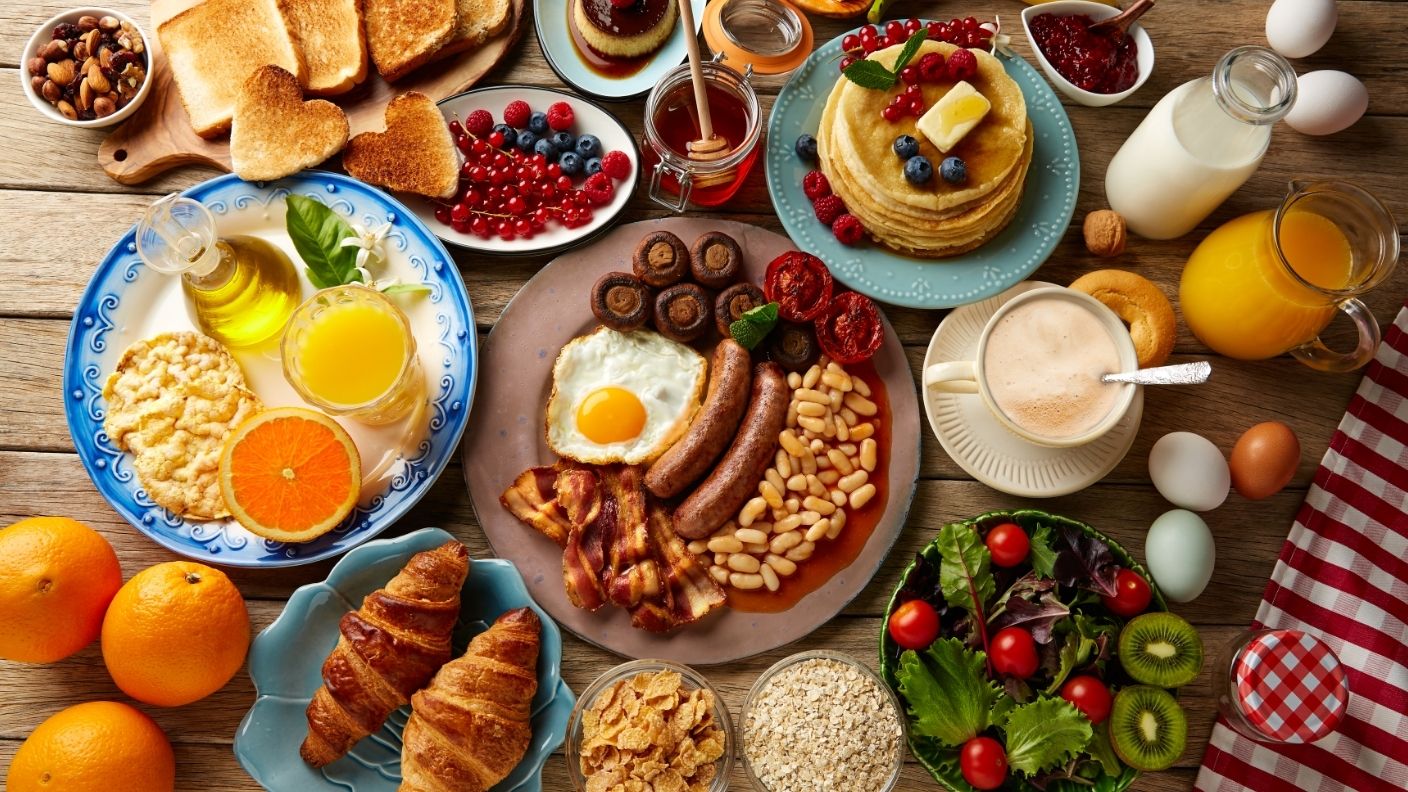

Few things are more frustrating than doing everything right in the morning and still hearing your stomach growl before the first meeting of the day. The breakfast looked wholesome, the ingredients sounded virtuous, and yet the snack drawer starts calling by mid-morning.
The problem usually isn’t willpower or a fast metabolism. It tends to come down to a few sneaky details hiding inside meals that carry a healthy reputation but don’t always deliver on staying power.
Too Little Protein Is Usually the Real Culprit
Plenty of popular breakfasts are built almost entirely around carbs, with protein as an afterthought. That matters, because protein is the nutrient most strongly tied to lasting fullness, and getting it early in the day seems to carry extra weight.
In one small crossover study, people who ate a higher-protein breakfast reported feeling fuller for eight hours and less hungry compared with a normal-protein version of the same calories. A morning meal with only a few grams of protein simply has less to work with.
The Bowl of Cereal
Cereal often gets marketed with whole grains, added vitamins, and heart-healthy claims on the box. The trouble is that most bowls are light on protein and digest quickly, especially once the milk is gone and the flakes have softened.
Researchers have tested this directly. In a study comparing breakfasts, a protein-rich egg and beef meal with 35 grams of protein reduced evening snacking on fatty and sugary foods compared with a typical cereal breakfast. Adding Greek yogurt or eggs on the side can help close that gap.
The Fruit Smoothie
A blender full of berries, banana, and juice looks like the picture of a healthy start. But a smoothie made mostly from fruit tends to be heavy on natural sugar and light on protein, fat, and anything that slows digestion.
The research on liquid breakfasts is more mixed than the warnings suggest, and some studies find blended meals can be surprisingly filling. The real difference comes from what goes in, so adding Greek yogurt, nut butter, oats, or seeds turns a sugary drink into something that actually lasts.
The Glass of Orange Juice
Juice keeps the vitamins from fruit but strips out most of the fiber that would normally slow things down. What’s left goes down fast, and a tall glass can deliver a surprising amount of sugar in just a few gulps.
Skipping the chewing also plays a role. Dietitians point out that the act of chewing helps the body generate fullness signals, which is why a whole orange tends to satisfy far more than the same fruit poured into a glass.
The Granola Bowl
Granola carries a wholesome, outdoorsy image, but many store-bought versions are closer to crumbled cookies than health food. Oats get coated in honey, syrup, and oil, then baked into clusters that pack a lot of calories into a small scoop.
Because it’s so dense, the portion that fits in a bowl often looks tiny, and it disappears quickly. Using granola as a crunchy topping over plain yogurt, rather than the main event, keeps the flavor while adding real staying power.
The Flavored Yogurt Cup
Yogurt sounds like a smart pick, and plain versions often are. Fruit-on-the-bottom and dessert-style flavors are a different story, since many carry plenty of added sugar and less protein than people expect.
Swapping to plain Greek yogurt makes a noticeable difference, as it’s thicker and much higher in protein. A handful of fresh berries and a drizzle of honey bring back the sweetness without turning breakfast into dessert.
The Fruit Bowl on Its Own
A colorful bowl of melon, grapes, and pineapple is light, refreshing, and full of vitamins. On its own, though, it’s mostly water and natural sugar, which is why the fullness tends to fade fast.
Fruit works best as a partner rather than the whole show. Pairing it with cottage cheese, a couple of eggs, or a spoonful of nut butter gives the meal the protein and fat it needs to carry you through the morning.
The Fat-Free Everything Approach
Plenty of people still reach for fat-free milk, fat-free yogurt, and dry toast out of habit. Cutting fat can trim calories, but it also removes one of the things that slows digestion and makes a meal feel satisfying.
A little healthy fat goes a long way here. Avocado on whole-grain toast, a sprinkle of nuts, or full-fat yogurt can help a breakfast feel more complete, making it easier to skip the mid-morning snack hunt.
RELATED ARTICLE: Want to Feel Fuller After Breakfast? Add These Foods to Your Plate
