


6 Warning Signs Your Body Is Begging for More Magnesium (And Exactly What to Eat)

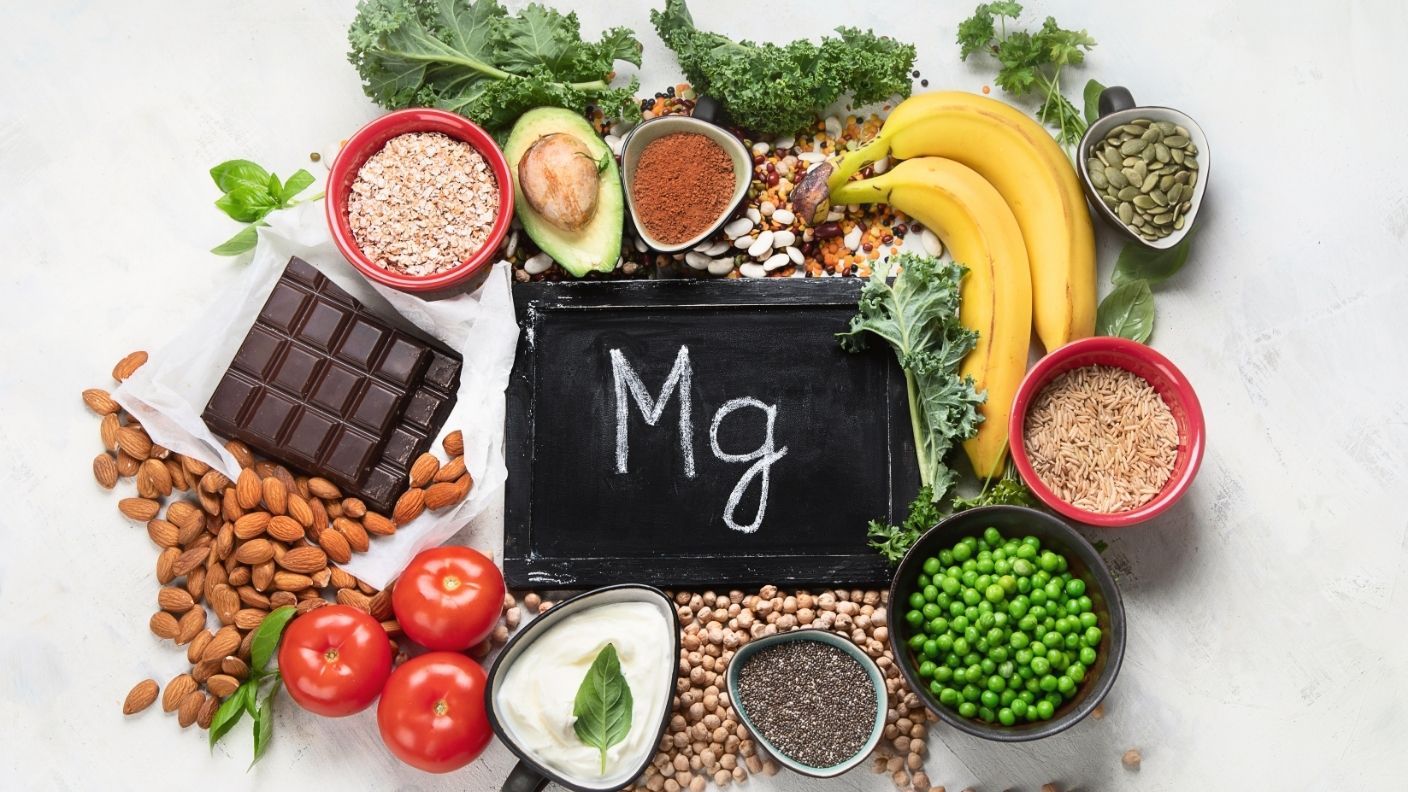

Magnesium helps power hundreds of processes in the body, from muscle movement to nerve signals and steady heartbeats. When intake runs low for long enough, some of those jobs can start to falter.
Every sign below is also a common feature of other conditions, so none of them proves a deficiency. They’re clues worth knowing, along with the foods that supply magnesium.
How Common Is Low Intake?
Surveys suggest a large share of Americans eat less magnesium from food than they need. One analysis found about 48 percent of people took in less than the average requirement.
True deficiency is less common in healthy people.
The kidneys are good at conserving magnesium, so low intake alone rarely causes serious problems. Deficiency becomes more likely with certain conditions, medications, or heavy alcohol use.
Muscle Cramps and Twitches
Muscle cramps and contractions are among the classic signs of a significant deficiency. Magnesium helps muscles relax after contracting, so low levels can leave them prone to spasms.
Cramps have many other causes.
Dehydration, overexertion, and certain medications can all trigger them. Persistent or severe cramps are worth discussing with a doctor, who can order a blood test if needed.
Ongoing Fatigue
Fatigue is listed among the early signs of low magnesium. The mineral is part of how cells produce energy, so a shortage can leave you feeling drained.
The problem is that tiredness is common.
Poor sleep, stress, anemia, thyroid problems, and many other issues cause it far more often. Fatigue on its own is not a reason to assume you need magnesium.
General Weakness
Weakness is another early sign, and it may show up alongside tiredness. Muscles depend on magnesium to contract and relax properly.
It rarely appears alone.
When weakness is noticeable or getting worse, that points toward a medical check, not a trial of supplements. Many conditions can look similar.
Numbness and Tingling
Numbness and tingling are signs of more severe deficiency. Nerves rely on magnesium to signal properly, and low levels can cause odd sensations in the hands and feet.
These symptoms are not mild.
They can also come from nerve problems, vitamin B12 deficiency, or diabetes. Anyone with persistent tingling should see a doctor instead of guessing.
Nausea and Loss of Appetite
Loss of appetite, nausea, and vomiting are listed among the early signs of low magnesium. They’re easy to dismiss because nearly everyone has them from time to time.
They are very nonspecific.
Most cases of nausea come from infections, medications, or digestive upset. This sign matters mainly when it appears together with others and persists.
Irregular Heartbeat
Abnormal heart rhythms are a sign of severe deficiency. Magnesium helps keep the heart’s electrical activity steady.
This one needs prompt medical attention.
Palpitations or an uneven heartbeat should never be treated with food changes alone. Call a doctor, since heart rhythm problems have many causes.
Who Is More Likely to Run Low
Health conditions that affect absorption raise the risk, including Crohn’s disease, celiac disease, and having had part of the bowel removed. Type 2 diabetes, insulin resistance, and heavy alcohol use also increase risk.
Older adults are more likely to fall short.
Some medications, such as certain diuretics and long-term use of acid-reducing drugs called proton pump inhibitors, can lower magnesium. Anyone taking these should ask their doctor whether testing makes sense.
Pumpkin Seeds
Pumpkin seeds are the richest common source. A one-ounce serving of roasted seeds supplies about 156 milligrams, roughly a third of a man’s daily need and half of a woman’s.
They’re easy to snack on.
Sprinkle them on oatmeal, yogurt, or salads, or keep a small bag of roasted seeds on hand. They also provide zinc and healthy fats.
Chia Seeds
An ounce of chia seeds provides about 111 milligrams of magnesium. They also add fiber and omega-3 fats.
They absorb liquid and thicken into a pudding-like texture.
Stir them into yogurt or oatmeal, or soak them overnight in milk with fruit. A tablespoon or two is an easy starting point.
Almonds
A one-ounce handful of dry roasted almonds contains about 80 milligrams. They make a convenient snack that is also a source of protein and vitamin E.
Cashews are close behind at about 74 milligrams.
A small handful in the afternoon, or a spoonful of almond butter on toast, adds up. Nuts are calorie-dense, so an ounce is a good portion.
Spinach
Half a cup of boiled spinach supplies about 78 milligrams. Cooking shrinks the leaves, so a small portion contains a lot.
It is one of the easiest ways to add magnesium to dinner.
Stir cooked spinach into pasta, eggs, soups, or curries. Raw spinach in salads contributes less per cup, so cooked is the better pick when magnesium is the goal.
Black Beans
A half-cup of cooked black beans provides about 60 milligrams, along with fiber and plant protein. Other beans and lentils are similar.
They’re inexpensive and versatile.
Add them to tacos, rice bowls, soups, or salads. Canned beans are fine, and rinsing them reduces the sodium.
Edamame
A half cup of cooked edamame offers about 50 milligrams. Soy products such as soy milk, with about 61 milligrams per cup, also contribute.
Steamed edamame is a convenient snack.
Sprinkle with a little salt and eat them straight from the shell. Frozen bags cook in a few minutes.
How Much Do You Need?
Adult women need roughly 310 to 320 milligrams a day, and men about 400 to 420, with higher amounts during pregnancy and breastfeeding. Most people can meet this with food.
A handful of pumpkin seeds, a half cup of beans, and a serving of spinach already total nearly 300 milligrams.
Whole grains, potatoes with their skins, yogurt, bananas, and avocados add smaller amounts that accumulate through the day.
A Note on Supplements
Supplements can help people with a diagnosed deficiency, but they aren’t harmless. The upper limit for supplemental magnesium is 350 milligrams a day for adults, and higher doses commonly cause diarrhea, nausea, and cramping.
Those with kidney problems face a bigger risk.
Magnesium can also interfere with some antibiotics and osteoporosis medications, which need to be spaced apart. Ask a doctor or pharmacist before starting a supplement, and stick with food first.
RELATED ARTICLE: 8 Everyday Foods That Can Help Protect Muscle as You Get Older
