


5 Easy DIY Body Peels for Softer, Smoother Legs

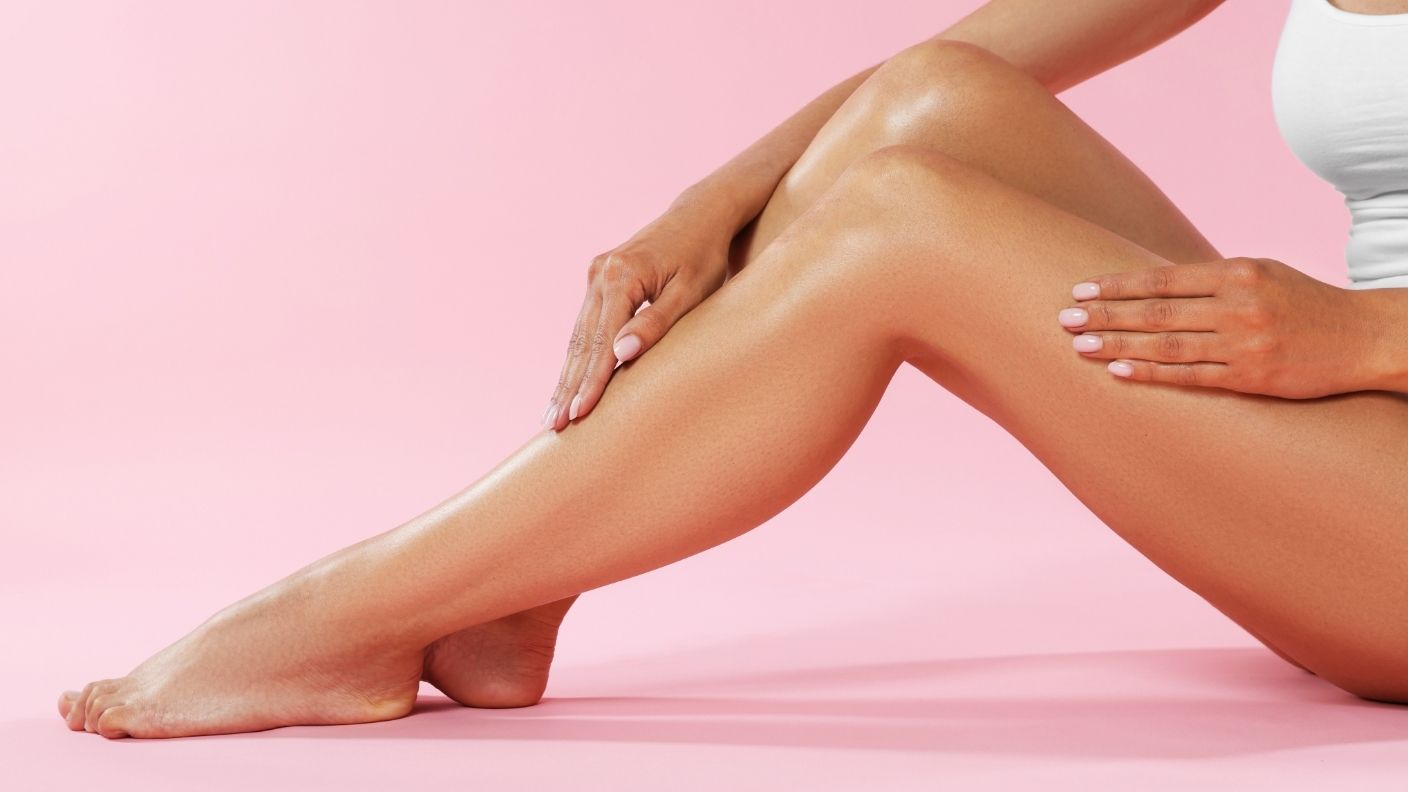

Legs take a lot of abuse. Shaving, tight fabrics, dry air, and years of sun leave skin that feels rough, flaky, or bumpy, especially around the knees and ankles.
Gentle peels made from fruit and dairy can help loosen dull surface cells without scrubbing. Each of these uses ingredients from an ordinary kitchen and takes about ten minutes.
Before You Start
Try any new mixture on a small patch of inner forearm and wait a day before using it on your legs. Skip peels on skin that is sunburned, scratched, freshly shaved, or irritated, and avoid them if you have eczema or an active rash.
Apply a thin layer to clean, damp skin and rinse with lukewarm water.
Limit peels to once or twice a week, and moisturize right afterward. Hot water and rough scrubbing make leg skin drier, so keep both gentle.
Strawberry and Yogurt Peel
Strawberries contain small amounts of natural fruit acids, and plain yogurt adds lactic acid. Together they make a mild, pleasant-smelling peel that is easy on sensitive skin.
Mash four or five ripe strawberries and stir them into two tablespoons of plain yogurt.
Smooth the mixture over your legs in a thin layer and leave it for eight to ten minutes. Rinse with lukewarm water, pat dry, and apply moisturizer.
Pineapple and Coconut Oil Peel
Fresh pineapple contains bromelain, an enzyme that helps break down dead surface cells. Use fresh fruit rather than canned, since heat processing reduces the enzyme’s activity.
Crush three tablespoons of fresh pineapple and mix with a tablespoon of melted coconut oil.
Spread it over the legs and leave it on for only five to eight minutes, since the enzyme can tingle. Rinse well. Anyone who reacts to pineapple in food should skip this one.
Buttermilk and Oat Flour Peel
Buttermilk contains lactic acid, one of the gentlest of the fruit and milk acids. Finely ground oats soften the mixture and calm irritation.
Blend plain oats in a food processor until they are a fine powder.
Stir two tablespoons of oat flour into three tablespoons of buttermilk to make a loose paste. Apply for ten minutes, massage lightly for a few seconds with almost no pressure, and rinse.
Tomato and Honey Peel
Ripe tomatoes contain mild natural acids and plant compounds, and honey helps skin hold moisture. This is a gentle peel, and the pulp spreads easily over large areas.
Scoop out the seeds and mash three tablespoons of ripe tomato pulp.
Stir in a teaspoon of honey, smooth over the legs, and leave for ten minutes. Rinse with lukewarm water, since tomato can stain light towels.
Mango and Honey Peel
Ripe mango is soft, sweet, and rich in vitamin C, and its pulp makes a smooth, moisturizing base. Honey and a little olive oil add softness.
Mash three tablespoons of ripe mango flesh with a teaspoon each of honey and olive oil.
Use only the flesh, never the peel or sap, since mango skin can cause a rash in people sensitive to poison ivy. Apply for ten minutes and rinse.
Peels, Shaving, and Timing
If you shave, exfoliate before it, not right after. Freshly shaved skin is more sensitive, and a peel can sting or leave redness.
Giving the skin a day between a peel and a shave works well.
Smoother skin helps razors glide, which can reduce nicks and irritation. Use a clean, sharp razor and a moisturizing shave cream either way.
Moisturize Right After
Dry skin makes legs look dull and rough, so moisturizer matters as much as the peel. Apply it within a few minutes of drying off, while skin is still slightly damp.
Creams with ceramides, glycerin, or lactic acid are good choices.
Pay extra attention to knees, shins, and ankles, where skin tends to be driest. Fragrance-free formulas are safest for sensitive skin.
When to Skip DIY
People with sensitive skin, skin conditions, sunburn, or fruit and dairy allergies should skip these peels. If anything stings, burns, or leaves lasting redness, rinse it off right away.
Persistent bumps or rough patches may call for a dermatologist.
Kitchen peels are mild maintenance, not treatment. A professional can recommend creams or procedures when home care isn’t enough.
RELATED ARTICLE: Does Eating Omega-3s at Dinner Help Your Skin Repair Overnight?
