


How to Choose the Best Apples for Eating, Baking and Cooking

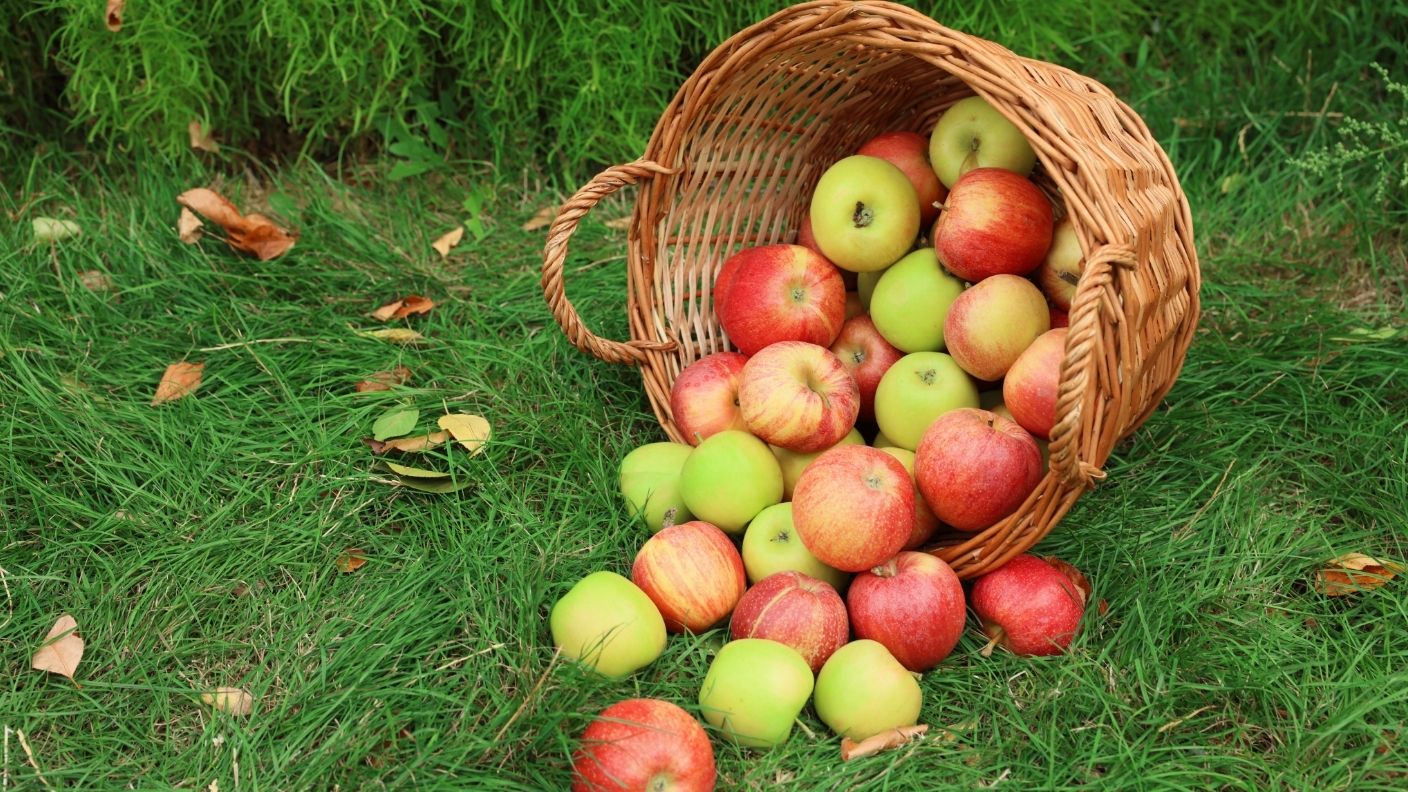

A bag of apples can look like a safe bet until the pie comes out of the oven as soup. Apples aren’t interchangeable, and the variety that’s perfect for a lunchbox may fall apart in a pot.
Two things sort most apples quickly: whether the flesh stays firm when heated and how the sweetness balances against tartness. Here’s how popular varieties stack up.
Honeycrisp for Snacking and Baking
Honeycrisp is famous for a very crisp, juicy bite and a balance of sweetness and acidity. That makes it a favorite for eating fresh, slicing onto salads, and building cheese boards.
It also holds its shape well when baked, so it earns a spot in pies and crisps.
The one downside is price, since it often costs more than other varieties. Mixing a couple of Honeycrisp with cheaper apples gives a pie its texture without a big bill.
Granny Smith for Pie and Crisps
Granny Smith is the baker’s workhorse. Its dense, firm flesh keeps its shape through a long bake, and the tartness stops a filling from tasting flat or overly sweet.
It’s also the classic choice for caramel apples, where the sharp flavor cuts through sugar.
Most people find it too sour for plain snacking, but with a little cheese or peanut butter it works well. In pies, it pairs nicely with a sweeter apple.
Fuji for Sweet, Juicy Eating
Fuji apples are very sweet, crisp, and juicy, with low acidity. They’re an easy lunchbox pick and work well in fruit salads.
Gala is a similar mild, sweet apple that’s popular for snacking and kids’ lunches.
Both soften more than tart baking apples, so they’re better in muffins, apple bread, and applesauce than in a pie that needs to hold slices.
McIntosh for Sauce and Soft Fillings
McIntosh apples have tender flesh with a sweet-tart flavor, and they soften quickly when cooked. That makes them the classic choice for applesauce, apple butter, and cider.
They also work nicely grated into muffins and quick breads, where moisture is welcome.
In a pie, a McIntosh filling turns soft and saucy, which some people love. If you want sliceable apples, blend a few with firmer varieties.
Golden Delicious for All-Around Use
Golden Delicious has thin yellow skin and sweet, mellow flesh. It’s one of the more versatile apples, working fresh, in salads, and in baked apples, crisps, and cakes.
Its gentle sweetness means less sugar is needed in a recipe.
It softens when cooked but not as much as McIntosh, so it’s a good partner in a mixed pie. Combine it with Granny Smith for sweet and tart together.
Cortland for Salads and Cheese Boards
Cortland has juicy white flesh with a pleasant sweet-tart balance. Its biggest perk is that it resists browning after cutting.
That makes it a smart choice when the apples will sit out on a platter.
Slices stay bright on cheese boards, in fruit salads, and in packed lunches. It also bakes fine, so leftovers aren’t wasted.
Mix Varieties for the Best Pie
The best pies rarely use a single apple. Pairing a firm, tart apple like Granny Smith with a sweeter one like Golden Delicious or Honeycrisp balances flavor and keeps the filling from going flat.
A good ratio is roughly half firm and tart, half sweeter.
Firm varieties like Braeburn and Pink Lady are also reliable in pies, crisps, and galettes. Soft apples can be added in small amounts for a saucier filling.
What to Look for at the Store
Choose apples that are firm and free of soft spots, with smooth skin. Small bruises matter less for cooking than for snacking, but they spread quickly in storage.
Keep apples in the refrigerator for the longest life.
Wait to wash them until just before using. For savory dishes like pork or roasted vegetables, firm, flavorful apples like Granny Smith or Braeburn hold up best.
RELATED ARTICLE: Easy Apple Desserts With Fresh Apples
