


The Kitchen Mistakes That Could Be Ruining Your Favorite Foods

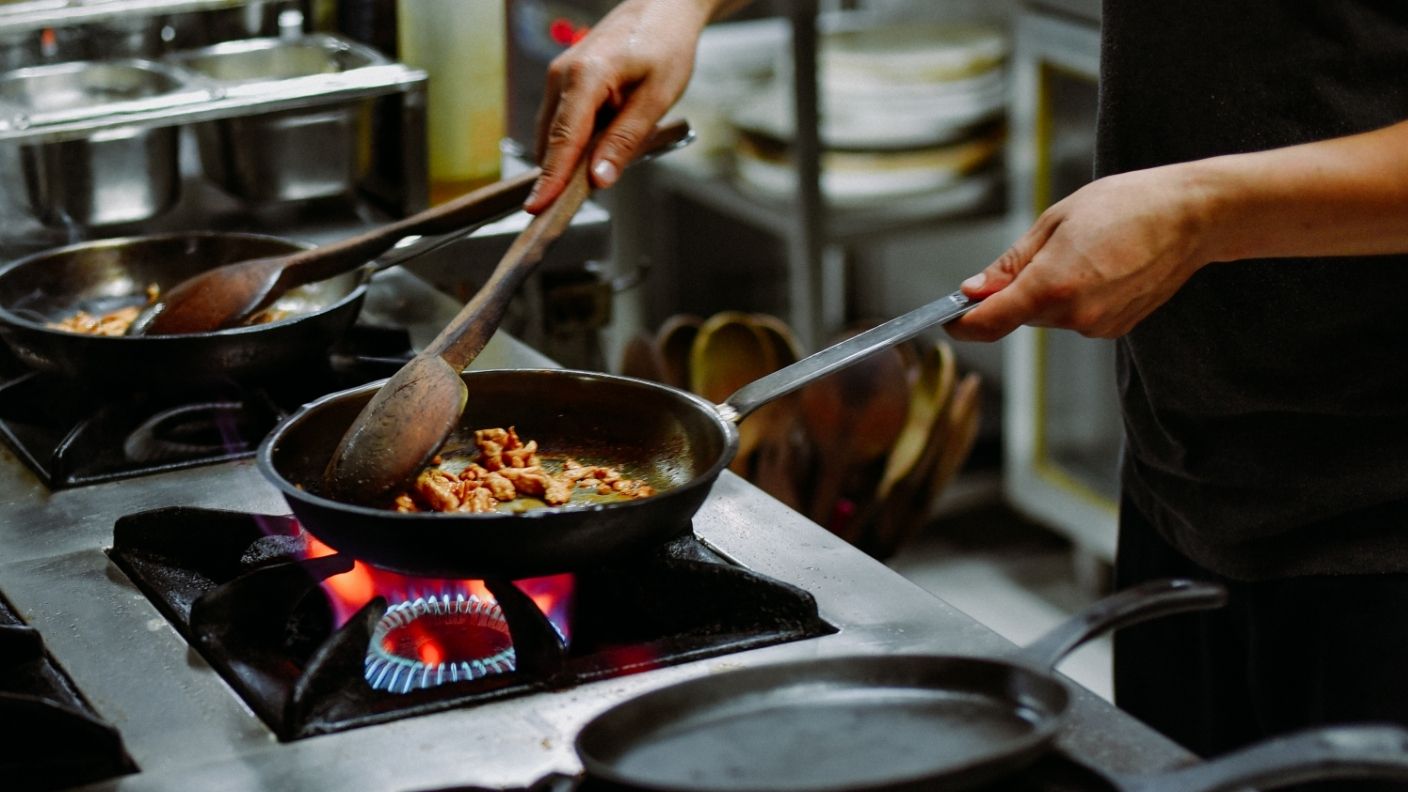

Most cooking disappointments don’t come from a bad recipe or a lack of talent. They come from small habits that quietly undercut a dish before it even reaches the table.
The good news is that each of these slip-ups has an easy fix. A few minor adjustments can make familiar favorites noticeably better.
Skipping the Rinse and the Rest With Rice
Gummy, clumpy rice usually traces back to surface starch. Grains that haven’t been rinsed release it into the cooking water, turning the pot sticky instead of fluffy.
Rinse the rice under cold water until the water runs mostly clear.
The second half of the fix comes after cooking. Once the timer ends, turn off the heat and leave the lid on for another five to ten minutes so the steam finishes the job evenly.
Boiling Vegetables Until They Go Dull
Vegetables turn gray, limp, and flavorless when they stay in hot water a minute too long. The cooking doesn’t stop just because the pot leaves the burner.
Blanching solves it, with a brief dunk in boiling water for a few minutes at most.
Then transfer them straight into a bowl of ice water. The sudden chill stops the cooking, which locks in bright color and a pleasant bite.
Slicing Meat With the Grain
Even a perfectly cooked steak or roast can chew like leather if it’s cut the wrong way. Muscle fibers run in one direction, and slicing alongside them leaves long, tough strands in every bite.
Cutting across the grain shortens those fibers, so each slice feels tender.
Look for the faint parallel lines running through the meat before the first cut. Turn the board so the knife travels across them instead of along them.
Dressing the Salad Too Early
A salad that looked crisp in the bowl can turn soggy in minutes. Two things cause it: wet leaves and dressing added too soon.
Dry washed greens thoroughly with a salad spinner or clean towel before they go anywhere near a bowl.
Hold the dressing until right before serving, and use less than seems necessary at first. It’s easy to add more, but impossible to take it back out.
Dumping the Thickener Into the Sauce
Lumpy gravy and clumpy sauces almost always come from adding flour or cornstarch directly to hot liquid. The outside of each clump cooks instantly and seals the dry powder inside.
Whisk the thickener with a little cold water first to make a smooth slurry.
Then pour it in slowly while stirring. If lumps still show up, a quick pass through a strainer or a short blend with an immersion blender rescues the sauce.
Peeling Hard-Boiled Eggs the Hard Way
Eggs that tear apart in a mess of shell and white are a common frustration. A few small changes improve the odds considerably.
Lower the eggs into water that’s already boiling, then cook them for ten to twelve minutes for hard-boiled.
Move them straight into ice water and let them cool for about fifteen minutes. Eggs that have sat in the refrigerator for a week or two also peel more cleanly than very fresh ones.
RELATED ARTICLE: Want Restaurant-Style Meals at Home? These 7 Kitchen Tricks Can Help
