


The Old-Fashioned Cooking Tricks That Still Work Surprisingly Well

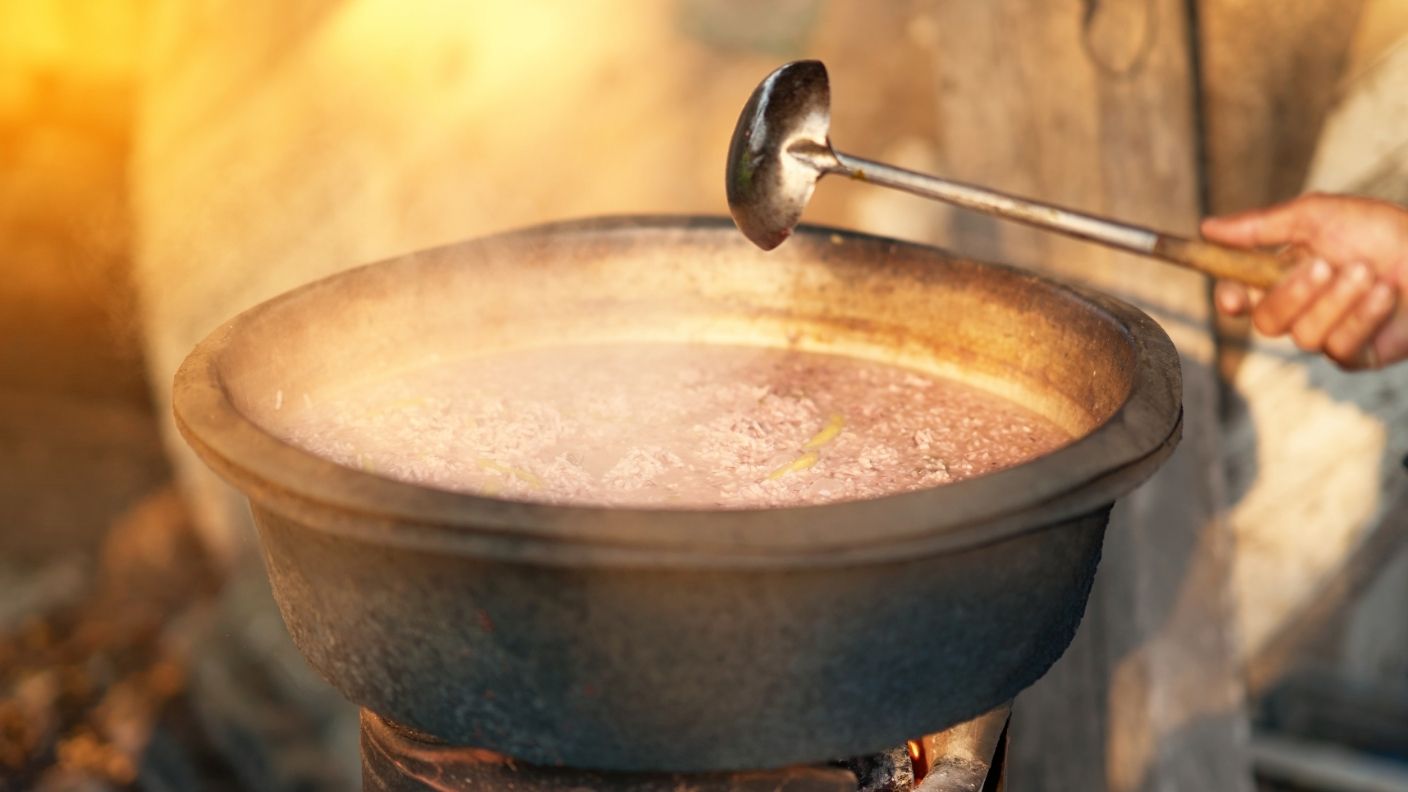

Every family seems to have one kitchen habit that nobody can fully explain. A slice of bread tucked into a canister, a spoon laid across a pot, a can of grease parked beside the stove.
Plenty of these quirks turn out to be folklore. A handful, though, hold up well enough that working chefs still lean on them, and the reasons behind them are easy to understand.
Bread in the Brown Sugar
Brown sugar turns into a rock when its moisture escapes, which is why a forgotten bag can feel like a brick. The old fix is to drop a slice of fresh bread into the container and seal it.
As the bread goes stale, it gives up moisture to the sugar, which keeps it soft and scoopable.
The trick isn’t a one-time fix, so it helps to swap the slice after a day or two before it can grow mold. Marshmallows work the same way for anyone who’d rather not risk a moldy crust.
Mayonnaise in Cake Batter
It sounds like a prank ingredient, but mayonnaise is mostly eggs and oil, two things a cake batter already needs. Stirred into chocolate cake, it adds richness and keeps the crumb moist and tender.
The flavor doesn’t show up in the finished slice, which is why the trick survived for decades.
Many home bakers swap it in for the oil and eggs called for in a basic chocolate recipe. It’s an especially useful move when a pantry is short on eggs but the jar in the fridge is nearly full.
The Wooden Spoon Across the Pot
Boil-overs happen fast, usually right when attention drifts to something else on the counter. The folk fix is to rest a dry wooden spoon across the top of the pot.
When rising bubbles touch the wood, they pop instead of climbing over the rim.
It has limits, since the trick only works while the spoon stays dry, and a big, foamy pot of starchy pasta can still win. Turning the heat down a notch does the same job more reliably, but the spoon is a handy backup.
A Can of Bacon Grease by the Stove
Saving bacon drippings in a metal can was once standard practice, and plenty of cooks still do it. A spoonful adds a rich, smoky flavor to eggs, greens, cornbread, potatoes, and beans in a way plain oil can’t.
A little goes a long way, which is the whole appeal.
It’s still animal fat, mostly saturated, so it works best as a seasoning rather than a cooking medium for everything. Keep it strained, cool it before storing, and use it in small amounts where the flavor really counts.
Saving the Cooking Water
Pouring pasta water down the drain is a modern habit, and older cooks tended to treat it as something worth keeping. Water from boiling pasta, rice, or potatoes carries some of the starch and water-soluble nutrients left behind in the pot.
Stirred into a sauce, starchy pasta water helps it cling to the noodles instead of pooling at the bottom of the bowl.
Potato or vegetable water can also stand in for part of the stock in soups and gravies. Salt the water with that in mind, though, because a pot seasoned heavily for pasta can make a sauce too salty once it reduces.
Why These Tricks Stuck Around
None of these depend on a special gadget or a hard-to-find ingredient. Each one solves a small, annoying problem with something already sitting in the kitchen.
That’s probably the real reason they’ve lasted. The ones that failed were forgotten, and the ones left standing are the ones that kept working.
RELATED ARTICLE: The 1950s Kitchen Habit That Nutrition Experts Secretly Appreciate
