


Making Dinner Feel Like a Chore? This Easy Cooking Method Could Be the Fix

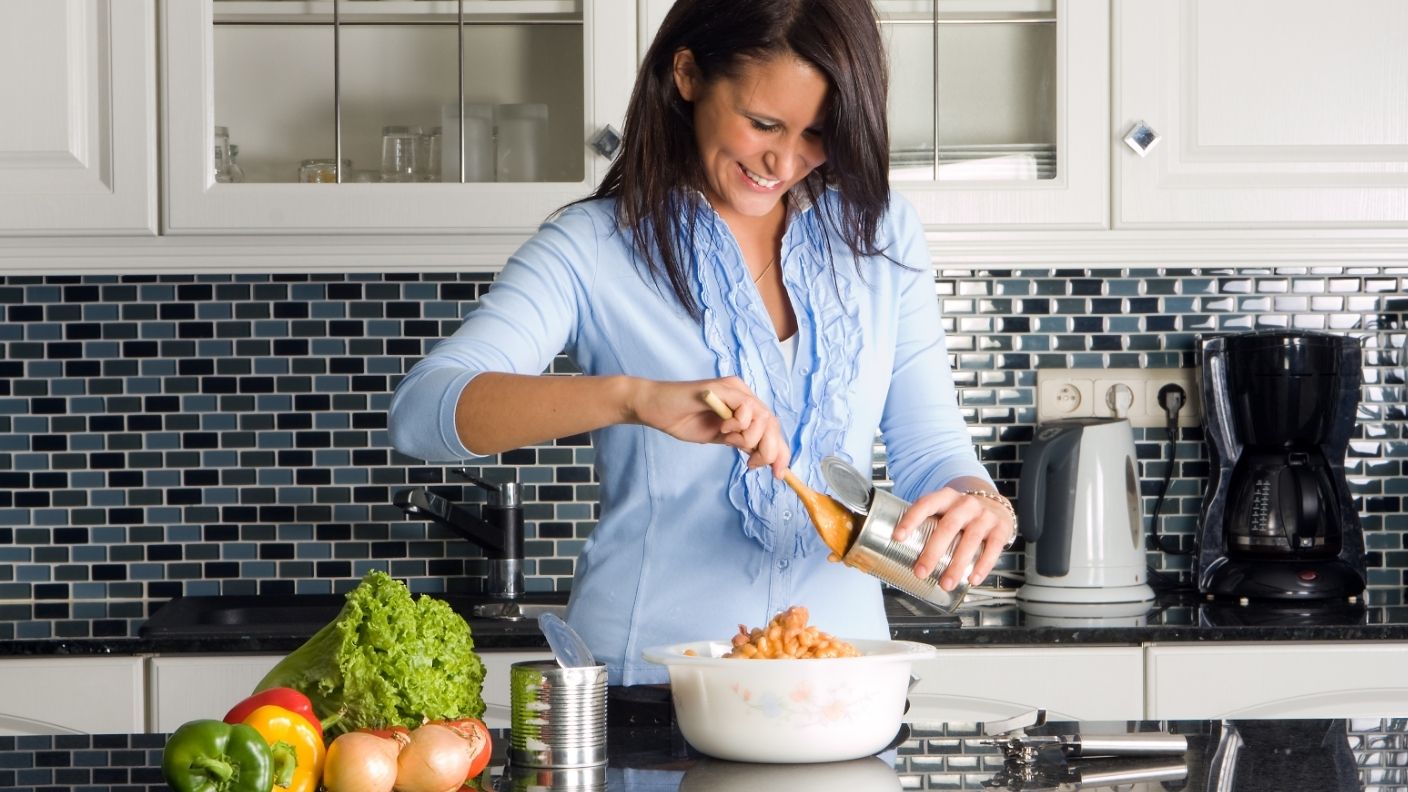

By the time 6 p.m. rolls around, the idea of dirtying four pots just to get a protein and two vegetables onto the table can feel like more effort than the meal is worth. That math is exactly why so many weeknights end with a phone and a delivery app instead of an actual stove.
A Talker Research survey of 2,000 Americans found that 77% admit there are days they’re simply too exhausted to cook after work, with Monday ranking as the hardest night of all. The fix for a lot of that exhaustion isn’t a new recipe, it’s a different method entirely.
One Pan Does the Job of Four
Sheet pan cooking means exactly what it sounds like: a protein and a few vegetables, all roasted together on a single rimmed baking sheet, with the oven doing nearly all the actual work.
There’s no juggling a skillet, a saucepan, and a sheet tray at the same time, just one pan going in and one pan coming out.
That single-pan structure is what actually solves the exhaustion problem rather than just rebranding it. Fewer dishes means less cleanup standing between dinner and the couch, which is often the real reason cooking starts to feel like a chore in the first place.
The Order Ingredients Go In Actually Matters
The trick to making this work isn’t dumping everything on the pan at once. According to America’s Test Kitchen, hardier vegetables like potatoes should go down first since they take the longest to cook.
Quicker-cooking items get added partway through instead, so everything finishes at the same time rather than some pieces turning mushy while others are still raw.
Heat distribution plays a role too. The pan’s edges run hotter than the center, which is why sturdier vegetables do well around the perimeter while more delicate ingredients are better off nestled toward the middle, away from the most intense heat.
Protein Placement Changes the Final Texture
Not every protein wants the same treatment on the pan. A steak benefits from going directly onto a preheated sheet, since that direct contact is what builds a proper crust rather than just warming the surface.
Breaded or skin-on proteins behave differently. Elevating them slightly, on a wire rack set inside the sheet pan, keeps hot air circulating underneath so the bottom doesn’t turn soggy from sitting in its own rendered juices for the full cook time.
It Solves the Mental Load, Not Just the Dishes
Part of what makes dinner feel exhausting isn’t the cooking itself, it’s the number of small decisions involved: what to make with what’s in the fridge, what order to cook things in, how many pans will need scrubbing afterward.
A sheet pan collapses most of those decisions into one.
Once a protein and two or three vegetables are chosen, there’s no separate timing puzzle to solve for each component. Everything goes in together, comes out together, and the only real decision left is what sauce or seasoning ties it all together at the end.
It Also Works Better for Odd Weeknight Schedules
Unlike a skillet dinner that needs someone standing at the stove through the whole process, a sheet pan in the oven is genuinely hands-off for a solid twenty to thirty minutes.
That stretch of free time is enough to help with homework, answer emails, or just sit down for a few minutes before the timer goes off.
That flexibility matters more on the nights when dinner has to compete with everything else happening in a house at 6 p.m. A method that doesn’t require full attention is often the difference between cooking and reaching for a delivery app instead.
RELATED ARTICLE: The Lazy Woman’s Guide to Healthy Cooking
