


What Travelers From Japan Really Think About American BBQ

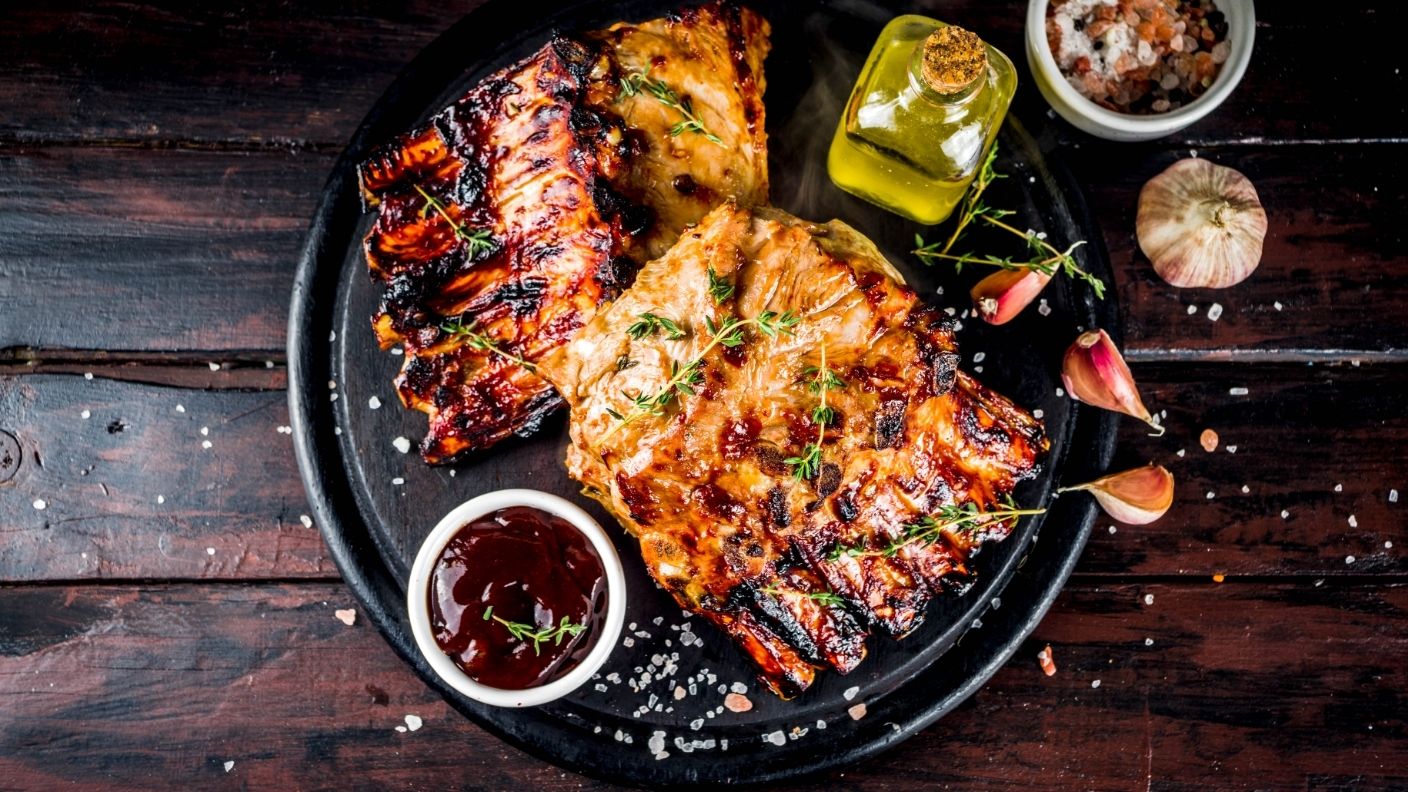

A plate of ribs, a mountain of pulled pork, and a side of cornbread doesn’t look like much of a culture clash on paper. For visitors coming from Japan, though, that first encounter with American barbecue tends to trigger a reaction that has very little to do with hunger.
It has a lot more to do with expectations getting rearranged on the spot.
Forums, travel blogs, and firsthand accounts from Japanese visitors paint a surprisingly consistent picture of what actually goes through someone’s mind the first time a smokehouse platter lands in front of them.
The First Bite Usually Reminds Them of Something Else Entirely
One Japanese food writer who tried authentic barbecue for the first time in New York described the sauce-heavy flavor as startlingly close to the barbecue sauce on a McDonald’s Chicken McNugget, and meant it as a genuine compliment rather than an insult.
He said the sweet, smoky punch paired perfectly with a cold beer, and that the meat itself was in a completely different league from anything fast food could offer.
That comparison shows up again and again in Japanese accounts, less as a knock on the quality and more as the only reference point available. Sticky, sauce-forward barbecue flavor simply isn’t common in everyday Japanese cooking.
So the mind reaches for the closest thing it already knows, even if that thing happens to be a chicken nugget dip.
The Portion Size Is Often the Bigger Shock Than the Taste
Flavor aside, the sheer volume of food tends to be what actually stops people in their tracks. The same reporter described being “shocked, in the best way possible” by the size of a single platter.
That one plate arrived stacked with pork spareribs, grilled beef, pulled pork, cornbread, and several sides all at once.
That reaction lines up with how Japanese meals are typically portioned and plated, where dishes are usually smaller and more individually composed. Seeing that much meat piled onto one plate for one person reads less like a meal and more like a group feast.
It’s part of what makes the whole experience feel so memorable to someone seeing it for the first time.
It Doesn’t Register as the Same Category of Food as Yakiniku
A recurring point among Japanese commenters is that American barbecue and Japanese barbecue, or yakiniku, aren’t really comparable at all, similar to putting ramen and soba in direct competition.
One frequently echoed observation is that real American barbecue refers to a finished, slow-cooked dish rather than a cooking activity, which is the opposite of how barbecue works in Japan.
Japanese yakiniku centers on thin, quickly grilled slices of meat that diners cook themselves at the table, often dipped in light, soy-based sauces.
American barbecue instead involves meat smoked low and slow for many hours before it ever reaches the table, arriving already finished and deeply seasoned rather than interactive.
The Heavy Sauce and Rub Don’t Win Over Everyone
Not every reaction is glowing. Several Japanese commenters have pointed out that the bold, sauce-and-rub-forward style common in American barbecue runs counter to a general preference for lighter, more delicate seasoning, where soy sauce and ponzu tend to dominate instead of thick, sweet glazes.
That preference isn’t universal, but it comes up often enough to be a real pattern rather than a one-off complaint. For diners used to seasoning that lets the meat’s natural flavor lead, a sauce bold enough to coat every bite can feel like it’s working against the ingredient instead of enhancing it.
A Growing Number Have Embraced It Completely
Despite the adjustment period, American barbecue has developed a genuine following in Japan rather than staying a novelty. Texas-style brisket restaurants have opened in major Japanese cities and built loyal customer bases.
Some of those spots have developed long waits specifically because the slow-smoked style is still rare enough to feel special.
That enthusiasm cuts both ways. Japanese pitmasters have taken the techniques seriously enough to train specifically in low-and-slow smoking methods, treating it as a craft worth mastering rather than an unfamiliar way to cook meat.
For a growing number of people, what started out unfamiliar turned into one of the better reasons to come back.
RELATED ARTICLE: Delicious BBQ Skewer Ideas For The Grill
