


Hate Meal Prep Because It Takes Too Long? These Kitchen Tricks May Be the Answer

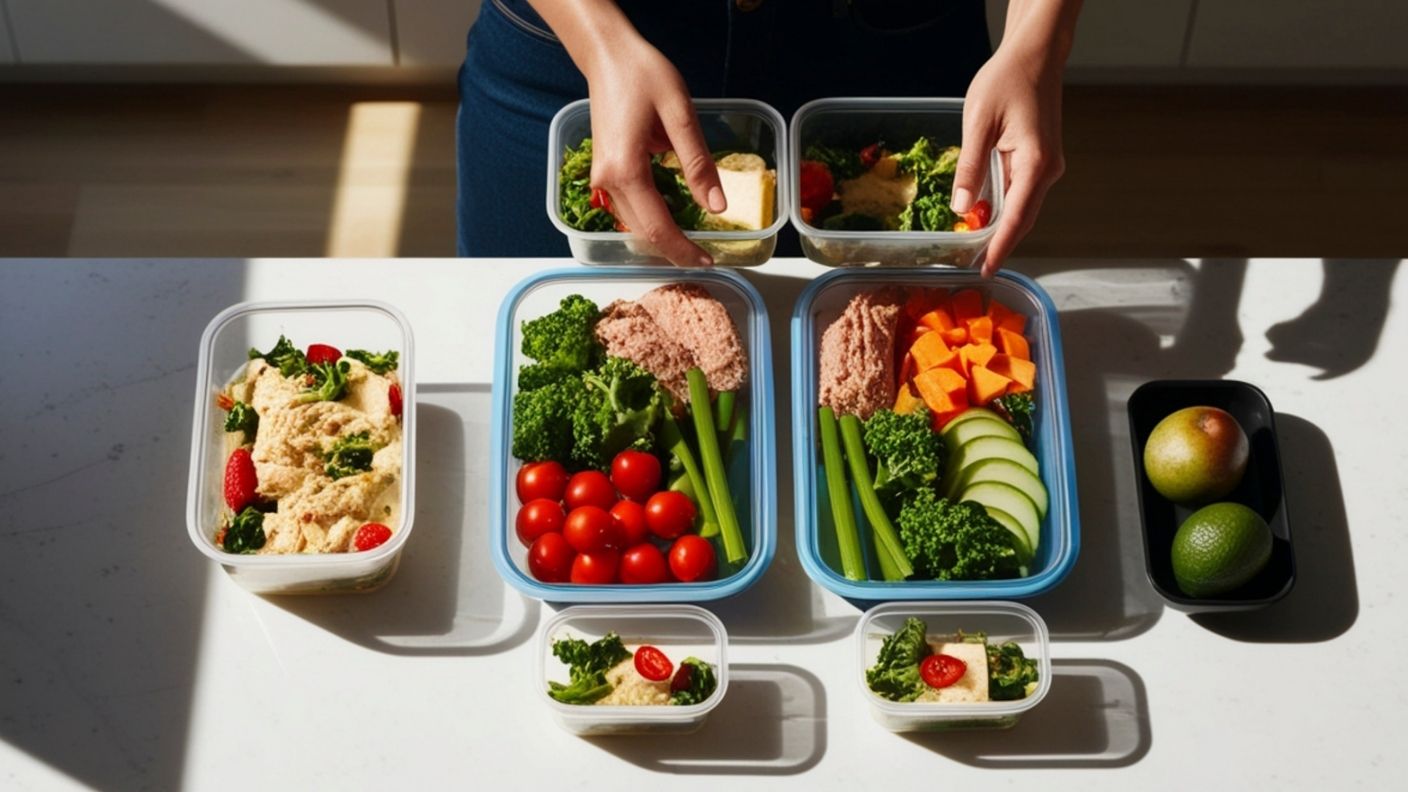

Most advice about meal prep focuses on what to cook, not how the actual work gets done. A recipe list doesn’t help much if chopping, cleaning, and juggling the stove are what’s eating up the hour.
The real fix usually isn’t a better meal plan. It’s a handful of small changes to how the physical work in the kitchen gets handled.
Let Kitchen Shears Replace the Knife More Often
A cutting board and knife feel like the default for almost everything, but shears are faster for a surprising number of prep tasks. Snipping raw chicken into strips, cutting fresh herbs directly over a pot, or breaking down flat-leaf greens all go quicker with shears than with careful knife work.
Part of the speed comes from skipping the setup entirely. There’s no board to pull out, no repositioning the food between cuts, and cleanup is just rinsing one tool instead of a knife and a board both. For anyone chopping herbs or trimming proteins several times a week, that adds up to real time saved.
Let a Food Processor Handle the Repetitive Cuts
Shredding a block of cheese, slicing a pile of cucumbers, or mincing several cloves of garlic by hand all take roughly the same amount of focused attention regardless of how good someone’s knife skills are. A food processor with the right attachment does the same job in a fraction of the time, with far more consistent results.
The upfront setup, pulling out the machine and the correct blade, feels like it might cancel out the time savings, but it rarely does once more than one or two ingredients need the same treatment. Grating a full bag of carrots or slicing an entire bag of onions for the week is where the machine actually earns its counter space.
Prep in Parallel Instead of One Step at a Time
Most home cooking happens in strict sequence: chop the onion, then start the pan, then chop the next thing once the first is already cooking. That order feels natural, but it wastes the several minutes any pan, pot, or oven spends heating up before it’s actually ready to use.
Starting the heat source first and prepping ingredients while it comes up to temperature turns dead time into productive time. The same logic applies to boiling water for pasta or rice: get it going immediately, then handle knife work while it heats, rather than treating each step as something to finish before starting the next.
Blanch Vegetables Ahead So They’re Already Prep-Ready
Vegetables that need to be tender for a recipe, green beans, broccoli, carrots, don’t have to be cooked from raw every single time. Blanching a batch in boiling water for a minute or two, then shocking it in ice water, gets them most of the way done and ready to store.
Once blanched and dried, those vegetables keep well in the fridge for several days and only need a quick reheat or a final sear to finish a dish. That shifts the most time-consuming cooking step to a single session instead of repeating it on a busy weeknight.
Clean As the Food Cooks, Not After
Prep time and cleanup time often get counted separately, but they’re really part of the same block of kitchen work. Letting cutting boards, mixing bowls, and knives pile up until after dinner just moves the time cost to a moment when there’s even less energy to deal with it.
Rinsing a board the second it’s free, or filling a used pan with hot water while the food it made is still cooking, keeps mess from compounding. A kitchen that’s mostly clean by the time the meal is ready feels like it took a fraction of the effort, even when the actual cooking time didn’t change at all.
Set Up Every Ingredient Before Turning On Any Heat
Professional kitchens call it mise en place for a reason: having every ingredient measured, chopped, and within reach before cooking starts removes almost all the mid-recipe scrambling that slows a meal down. Searching for a missing spice or realizing an onion still needs dicing while something else is already burning is where a lot of wasted time actually comes from.
Doing that setup work first turns the actual cooking into more of an assembly process than a series of separate scrambles. It also makes it far easier to prep in parallel, since everything needed for the next step is already sitting there rather than requiring another trip to the fridge or pantry.
RELATED ARTICLE: The Meal Prep Trick That Doesn’t Feel Like Meal Prep
