


The Most Iconic Halloween Foods of All Time, Ranked

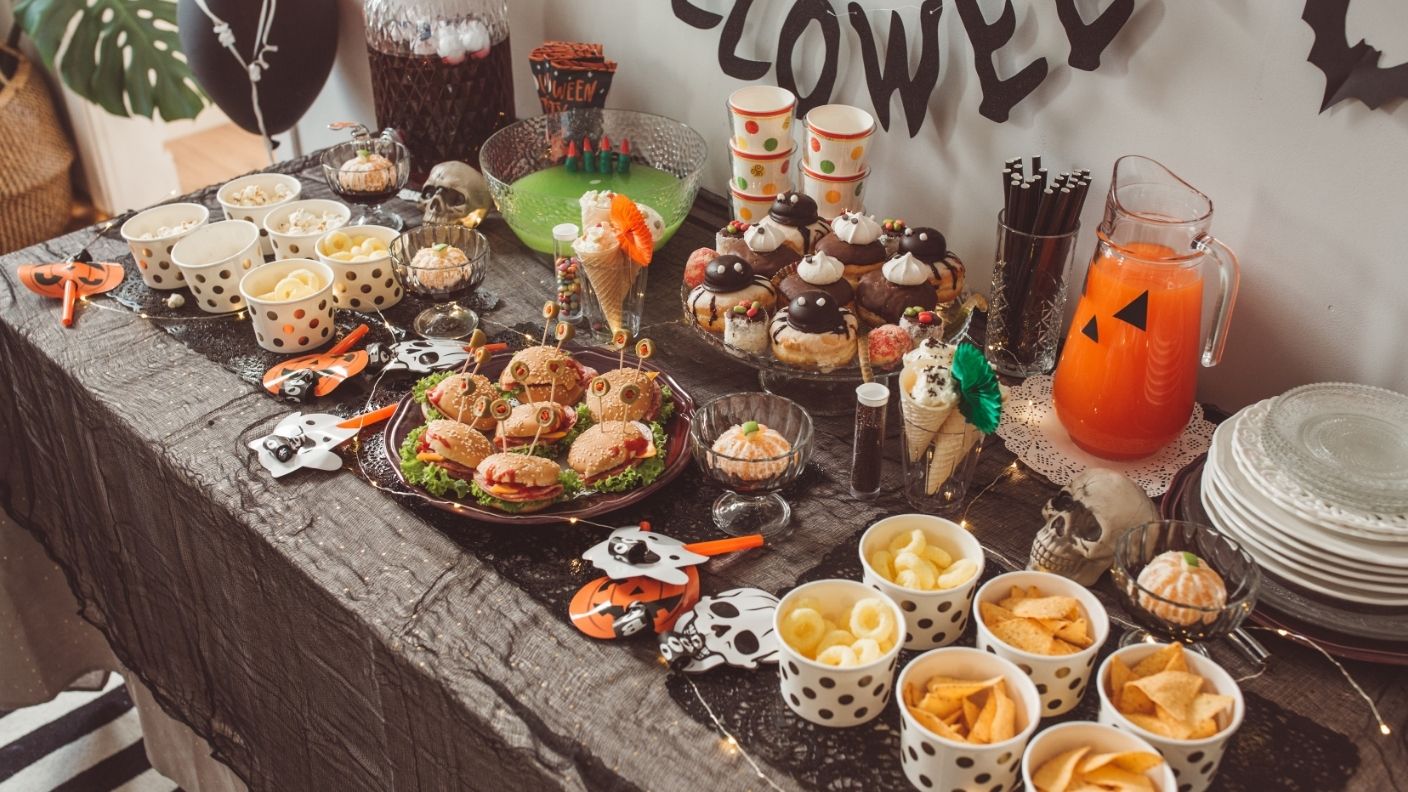

Every October produces a fresh wave of new flavors, limited releases, and viral candy hauls competing for attention. Underneath all that noise, a much smaller group of foods has actually earned the right to be called iconic, rather than just seasonal.
Iconic means something specific here: a food so tied to the holiday that picturing Halloween without it feels genuinely incomplete. Ranking that group from merely memorable to truly essential says a lot about what the holiday is actually built on.
Candy Buttons
Tiny colored dots of sugar stuck to a strip of paper, candy buttons trace back to the 1930s and have barely changed in format since. Peeling them off the paper, sometimes tearing a bit of paper along with the candy, was always half the appeal.
They’ve never dominated Halloween the way a chocolate bar does, which is exactly why they land at the bottom of this list rather than off it entirely. A candy defined almost entirely by nostalgia still counts as iconic, just for a narrower reason than sheer popularity.
Caramel Apples
Hunter’s Candy in Idaho gets credit for inventing the modern caramel apple in 1936, dipping whole apples in soft caramel rather than the harder candy coating that had been used for decades before. The treat caught on quickly enough that caramel apples were being shipped overseas to soldiers within just a few years of their debut.
What keeps a caramel apple iconic today has less to do with how often people actually eat one and more to do with how instantly recognizable it is, sitting on a stick at a fall fair or displayed in a grocery store bin every September. Few Halloween foods are this visually synonymous with the season itself.
Roasted Pumpkin Seeds
Scooped out during pumpkin carving and roasted with a little oil and salt, this one is less a candy and more a byproduct of the holiday’s signature activity. Turning the innards of a jack-o’-lantern into an actual snack, rather than just tossing them, has been a fixture of Halloween prep in American households for generations.
Its iconic status comes from that direct connection to carving itself, a step that happens in millions of kitchens every October whether or not anyone plans to eat what comes out of it. A food this tied to the holiday’s central ritual earns its spot regardless of how many people skip the roasting step.
Candy Corn
Candy corn’s actual history stretches back to the 1880s, originally sold as a cheap, year-round penny candy under a name far less appetizing than the one it carries now. It wasn’t until the 1950s that its yellow, orange, and white stripes became specifically associated with Halloween and the fall harvest.
Roughly 35 million pounds of it get produced every year, with a sharp spike each autumn, and it’s popular enough to have its own dedicated holiday on October 30th. Whether people actually enjoy eating it or not, no other candy’s shape and color scheme reads as instantly “Halloween” the way candy corn’s does.
M&M’s
Halloween-specific bags of M&M’s, dyed in seasonal orange, black, and purple, show up on shelves every fall as one of the most recognizable bulk-candy options for handing out. Their small, uniform shape and hard shell make them practical for trick-or-treating in a way plenty of other candies aren’t, surviving a pillowcase and a long night of walking without melting or breaking.
That practicality has made them a default choice for houses handing out candy to large numbers of kids, rather than a treat anyone specifically seeks out. Iconic status here comes from sheer ubiquity, showing up in nearly every mixed bag of Halloween candy whether or not it’s anyone’s personal favorite.
Snickers
A national candy survey found Snickers pulling in 215 favorable votes against just 137 unfavorable ones, putting it firmly in the top tier of candies people actually want to receive rather than merely tolerate. Its combination of nougat, caramel, peanuts, and chocolate gives it more going on than most other bar candies in a typical Halloween haul.
That substance is part of what separates it from candies that are iconic mostly for nostalgia or visual recognition. Snickers earns its spot by actually being a candy people look forward to finding, not just one they remember from childhood.
Kit Kat
That same national survey put Kit Kat even further ahead, with 251 people naming it a favorite against 162 who didn’t, making it one of the most consistently well-liked candies in the entire Halloween lineup. Its wafer-and-chocolate format also gives it a distinct texture that sets it apart from the denser candy bars surrounding it in any given bowl.
The bar’s snap-apart segments add a small ritual to eating it that a lot of solid chocolate bars don’t offer. A candy that wins on both taste preference and format is a hard combination to top, which is exactly why it sits this close to the very top of the list.
Reese’s Peanut Butter Cups
H.B. Reese invented what he originally called “Penny Cups” in 1928, years after losing his job managing a barn for his former employer, Milton Hershey. In a twist that reads almost too neatly, Reese’s sons ended up merging the family company with Hershey itself in 1963, folding one of the candy industry’s biggest rivalries into a single corporate roof.
The payoff has been enormous: Reese’s became Hershey’s top-selling product by 1969 and has gone on to post billions in annual sales, regularly outselling the next closest competing brand by a wide margin during Halloween season specifically. No other Halloween candy combines that kind of origin story with that level of sustained dominance, which is exactly what puts it at the very top.
RELATED ARTICLE: 5 Halloween Trends You’ll Be Seeing Everywhere This Year
