


I Switched to a Mediterranean Diet for 30 Days—Here’s What I Learned

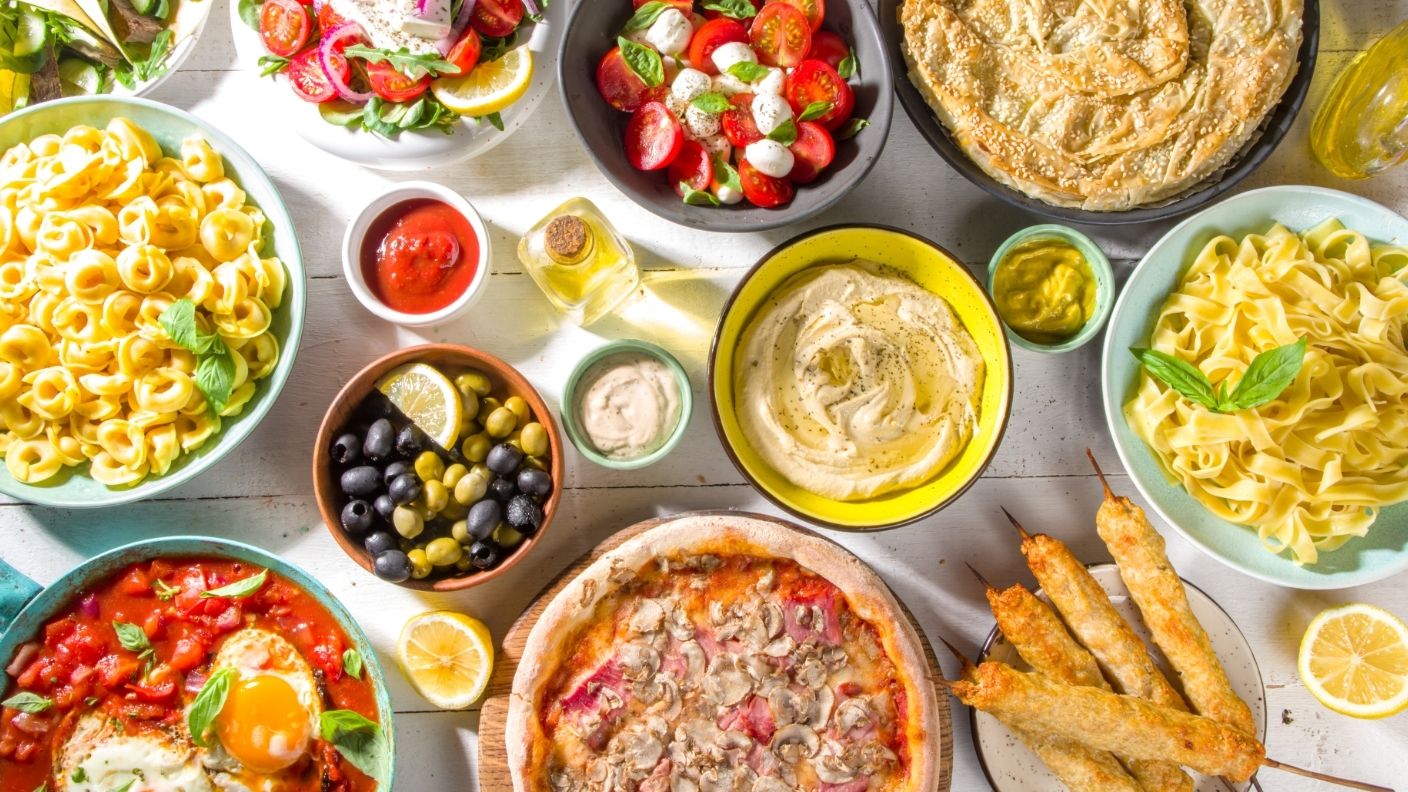

Thirty days felt like a reasonable trial period, long enough to move past the awkward first-week phase but short enough that quitting wouldn’t feel like admitting defeat on some year-long resolution. I picked the Mediterranean diet mostly because it kept showing up everywhere without any obvious catch attached to it.
No pills, no cutting out entire food groups, no scale-obsessed tracking app required. That simplicity is exactly what made me suspicious going in, and exactly what changed by the end of the month.
Week One Meant Relearning the Grocery List
My cart looked almost unrecognizable by the second trip to the store. Olive oil replaced butter in nearly everything, canned chickpeas and lentils took up the space where boxed pasta sides used to sit, and I bought more fresh vegetables in one week than I normally would in three.
The bigger adjustment wasn’t finding the ingredients, it was accepting that a few of them cost more than what they replaced. A good bottle of olive oil and fresh fish aren’t cheap, and that first grocery bill ran noticeably higher than my usual one before things balanced out.
Breakfast Was the Hardest Habit to Break
Cereal and toast had been my default for years, and neither one has an obvious Mediterranean equivalent that doesn’t feel like a compromise. I landed on plain Greek yogurt with fruit and a small handful of walnuts most mornings, which took about a week to stop feeling like a downgrade.
What actually helped was dropping the expectation that breakfast needed to be exciting. Once I stopped comparing it to what I used to eat, a simple bowl of yogurt and fruit stopped feeling like something I was settling for.
The Afternoon Energy Crash Quietly Disappeared
Somewhere around the second week, I noticed I’d stopped reaching for coffee around three in the afternoon out of pure necessity. That slump had been a fixture of my workday for years, and its absence was subtle enough that I almost didn’t register it until a coworker asked why I’d stopped complaining about it.
The likely explanation is fairly unglamorous: fewer refined carbs and more fiber, protein, and healthy fat at lunch meant less of a blood sugar spike and crash a few hours later. It wasn’t a dramatic burst of energy so much as the absence of a dip I’d stopped noticing was even there.
Dinner Got Simpler, Not More Complicated
I expected Mediterranean cooking to mean more elaborate meals, and it turned out to be the opposite. Roasted vegetables, a piece of fish or some beans, and a drizzle of olive oil covered most nights without requiring a real recipe or much active cooking time.
That simplicity ended up being the actual reason I stuck with it past the first couple of weeks. A dinner that takes twenty minutes and doesn’t dirty five pans is a lot easier to repeat night after night than something that demands real effort every single time.
The Scale Moved Less Than Expected
I’d be lying if I said some part of me wasn’t hoping for a dramatic before-and-after number by day thirty. What actually happened was a small, unremarkable drop, closer to what a slow, steady, sustainable change usually produces rather than anything resembling a quick fix.
That modest result lines up with what most research on the Mediterranean diet actually shows, benefits that build gradually and show up more clearly in things like cardiovascular markers than in a dramatic swing on the scale. Judging the month purely by weight lost would have missed most of what actually changed.
What’s Actually Sticking a Month Later
Thirty days in, the parts that survived weren’t the ones I expected going in. The olive oil, the beans, the simpler dinners, all of that stuck around without any real effort to maintain it, mostly because none of it ever felt like a sacrifice in the first place.
What didn’t stick was the rigid idea that I needed to follow it perfectly every single day. Some weeks still include a burger or a bowl of cereal, and the month taught me that the diet works better as a general direction to lean toward than a strict set of rules to enforce on myself.
RELATED ARTICLE: 5 Mediterranean Diet Staples That Nutritionists Swear By
