


The Store Brand Food That Regularly Beats Name Brands in Blind Taste Tests

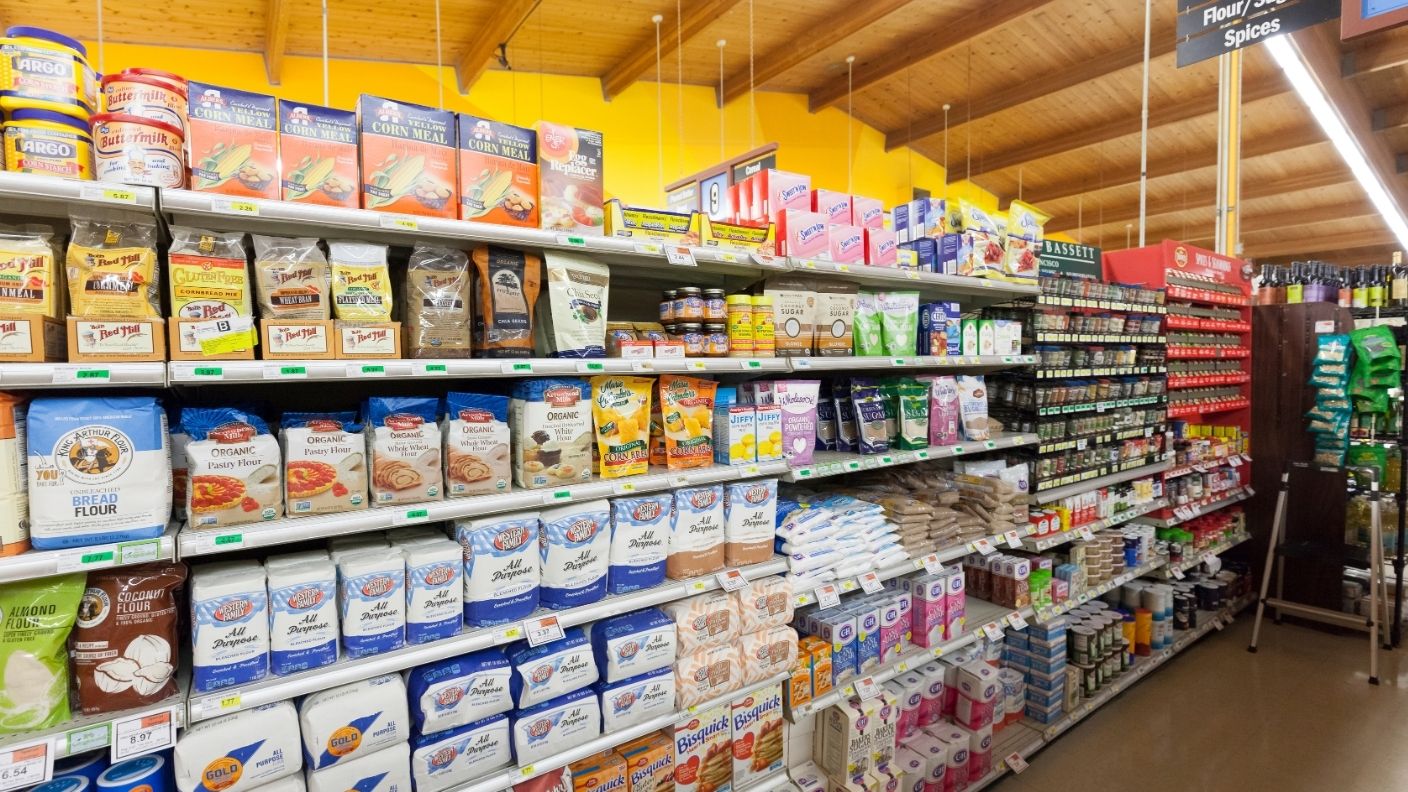

Grocery shoppers reach for the same iconic bottle out of habit more often than out of any real side-by-side comparison. That instinct assumes the name brand is automatically the better-tasting option, simply because it’s the one most people grew up with.
Ketchup, of all things, keeps proving that assumption wrong once the labels come off.
Heinz Isn’t the Automatic Winner It’s Assumed to Be
Heinz has spent decades as the default answer to “what ketchup do you buy,” to the point where it functions almost as a generic term for the condiment itself. That reputation makes it easy to assume its flavor is simply the best available, rather than just the most familiar.
When Whole Foods ran its own private-label 365 ketchup against Heinz in a household blind taste test, the store brand came out on top, with tasters citing a slightly smoky aftertaste as the deciding factor. Every taster in that comparison ranked it first, despite going in expecting the name brand to dominate.
The Pattern Shows Up Across Multiple Independent Tests
That result isn’t an isolated fluke. Consumer Reports has separately rated Aldi’s Burman’s ketchup as having quality “comparable” to Heinz, and a UK supermarket blind test crowned a store’s own-brand ketchup over Heinz using an entirely different set of tasters and products.
Seeing the same basic outcome repeat across different countries, different retailers, and different testing groups is what separates a real pattern from a single lucky result. Ketchup, more than almost any other condiment, seems to consistently produce this gap between brand loyalty and blind preference.
Brand Recognition Skews Results More Than People Realize
One taste test made this effect especially clear by asking tasters to identify the ketchups by brand after ranking them. Nearly everyone correctly picked out Heinz by taste alone, and that recognition itself appeared to influence how highly they’d initially rated it, since it dropped to third place once brand identity was removed from the equation entirely.
That gap between recognized and blind rankings suggests a chunk of Heinz’s reputation comes from familiarity rather than a measurable flavor advantage. Once a taster can no longer see the label, the actual formula has to stand on its own.
Store Brands Often Come Closer to the Original Than Expected
Private-label ketchups aren’t usually wildly different formulas dreamed up from scratch. Many store brands are manufactured to closely match the flavor profile shoppers already expect from ketchup in general, using a similar balance of tomato concentrate, vinegar, and sugar that defines the category.
That similarity is part of why blind tests so often produce close results or outright upsets rather than a clear name-brand sweep. When the base formula isn’t dramatically different, small variations in sweetness or tang become the whole game, and those variations don’t reliably favor the brand with the bigger marketing budget.
The Price Gap Rarely Matches the Taste Gap
Store-brand ketchup routinely costs a third or less of what Heinz charges for a similar-sized bottle. In some direct comparisons, a store brand has come in at under ten cents per serving against more than thirty cents for the name brand equivalent.
Paying triple the price for a product that doesn’t consistently win blind comparisons is a hard case to make on taste alone. The gap in cost simply isn’t matched by a gap in quality once brand names are taken out of the equation.
What This Actually Means at the Grocery Store
None of this means Heinz is a bad ketchup, since it still performs well in plenty of head-to-head tests and clearly has a flavor a lot of people genuinely enjoy. What it does mean is that walking past the store brand out of habit skips over an option that’s beaten the name brand more than once under fair conditions.
A blind taste test at home, using a couple of bottles and covered labels, takes only a few minutes and settles the question far better than brand loyalty ever could. For a condiment this cheap to test, there’s very little reason not to find out firsthand.
RELATED ARTICLE: Red Gold Ketchup vs. Heinz: Differences & Which Is Better
