


Why Does Ground Beef Turn Gray? When It’s Safe to Eat and When to Throw It Away

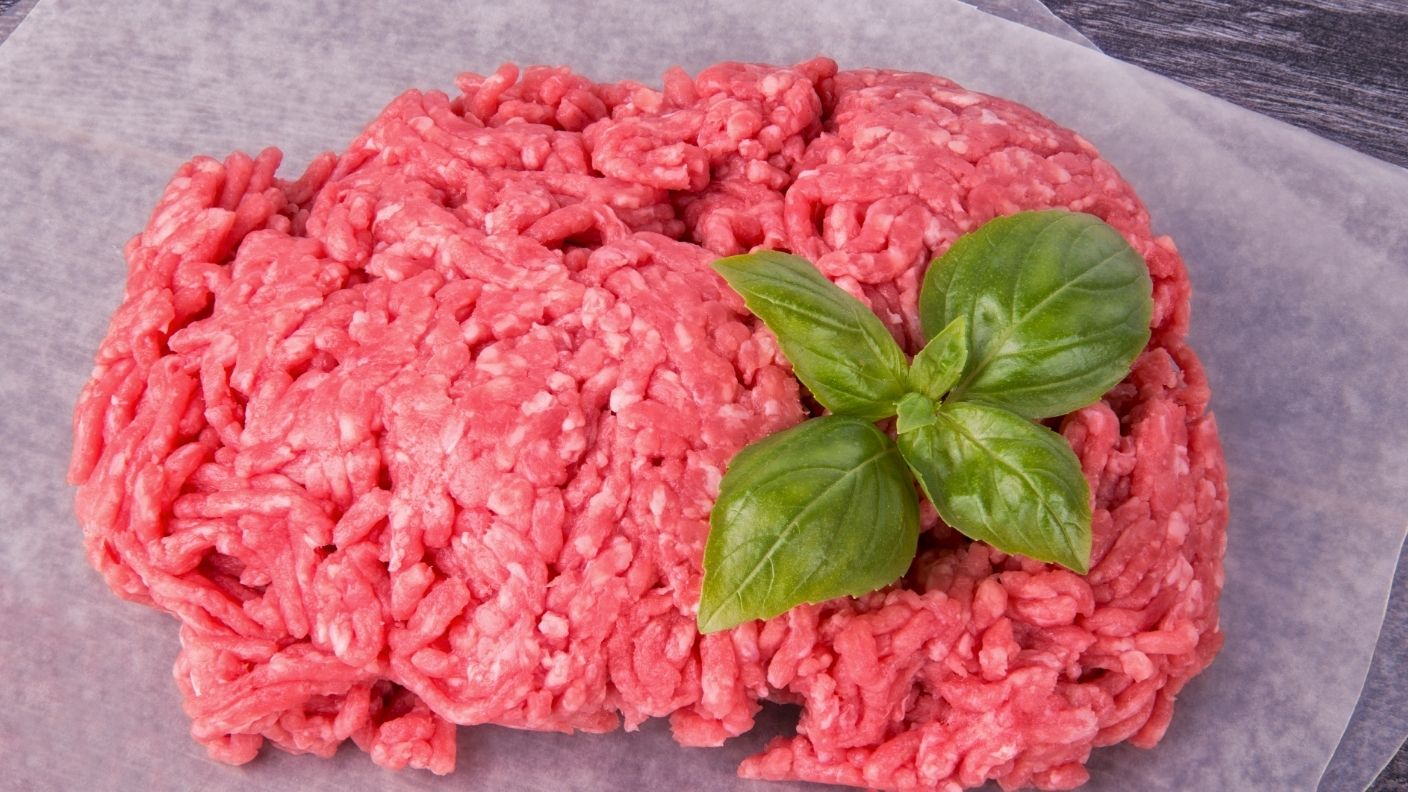

Opening a package of ground beef to find it’s turned a dull grayish-brown instead of the bright red it was at the store can feel like a warning sign. Plenty of people toss the whole package on instinct alone, assuming color is all the information they need.
Color turns out to be one of the least reliable ways to judge whether ground beef has actually gone bad.
The Red Color Was Never Permanent to Begin With
Fresh ground beef gets its bright red color from a protein called myoglobin reacting with oxygen at the surface of the meat. That reaction only happens where the meat is directly exposed to air, which is why the outside of a package often looks redder than what’s underneath.
As myoglobin continues to react with oxygen over time, it gradually converts into a different compound that reads as gray or brown instead of red. This is a normal chemical process, not evidence that bacteria have taken over or that the meat has spoiled.
Grayish-Brown Meat Straight From the Package Is Usually Fine
Pulling a package out of the fridge to find the center is grayer than the surface is one of the most common triggers for tossing beef that’s still perfectly good. The parts of the meat sealed away from oxygen inside the package never got the chance to turn red in the first place.
As soon as that gray center gets exposed to air, whether by opening the package or breaking the meat apart to cook it, it typically turns red again within a few minutes. That color shift back to red is actually a helpful sign that oxygen is reaching the meat normally, not a red flag on its own.
Smell Is a Far More Reliable Signal Than Color
Fresh ground beef has a mild, faintly metallic smell that’s easy to miss entirely. Spoiled beef, on the other hand, develops a sour, distinctly unpleasant odor that’s hard to mistake for anything else once it’s there.
That smell comes from bacteria breaking down proteins and fats in the meat, a process that has nothing to do with the color changes caused by oxygen exposure. If a package smells off in any way, that’s a far stronger reason to throw it out than color ever is on its own.
Texture Changes Are Another Sign Worth Trusting
Ground beef that’s starting to spoil often develops a slimy or tacky film across its surface, distinct from the normal moisture that comes from the package itself. Running a finger across the meat and feeling any stickiness beyond simple wetness is a sign the meat has started to break down.
This texture change tends to show up around the same time as the sour smell, giving two separate signals pointing to the same conclusion. Either one showing up on its own is enough reason to skip cooking it.
The Sell-By Date Still Deserves Some Attention
A sell-by date isn’t a hard cutoff for safety, but it’s a reasonable guide for how much time has likely passed since the meat was packaged. Ground beef is typically safe for one to two days past that date if it’s been refrigerated properly the whole time.
Beyond that window, the odds of spoilage climb regardless of what color the meat happens to be at that moment. Checking the date alongside smell and texture gives a more complete picture than relying on any single factor alone.
When It’s Actually Time to Throw It Away
The decision to toss ground beef should come down to smell and texture together, not the color sitting on top. A sour odor, a slimy surface, or meat that’s been in the fridge well past its sell-by date are the signals that actually matter.
Gray or brown coloring on its own, especially on meat that still smells normal and feels only slightly moist, isn’t a reason to throw a package away. Cooking ground beef to a safe internal temperature handles the bacteria that color was never actually indicating in the first place.
RELATED ARTICLE: The One Thing You Should Never Do When Cooking Ground Meat
