


Worried Your Favorite Foods Are Too Salty? These Swaps Can Help


A single ingredient swap can undo weeks of trying to cut back on sodium, and most people don’t even realize where the extra salt is sneaking in. It’s rarely the salt shaker on the table that’s the real problem.
The bigger culprits tend to be hiding in foods that don’t taste particularly salty at all.
Canned Soup
Canned soup is one of the biggest sodium sources in a typical pantry, often carrying most of a day’s recommended limit in a single serving. The salt is doing double duty in these cans, acting as both a flavor booster and a preservative to extend shelf life.
Making a pot from scratch with low-sodium broth, fresh vegetables, and herbs like thyme or bay leaf gets close to the same comfort without anywhere near the sodium load. Leftovers freeze well too, so a bigger batch on a weekend covers several meals without repeating the canned version.
Deli Meat
Sliced deli meat is cured and processed specifically to stay fresh on a shelf or behind a counter for extended periods, and that curing process depends heavily on salt. A few slices of turkey or ham can carry a surprising percentage of a day’s sodium limit before any bread or condiments even get added.
Roasting a chicken breast or a small turkey breast at home and slicing it for sandwiches removes almost all of that added sodium while still delivering the same texture. It takes more planning than grabbing a package at the store, but a batch keeps well in the fridge for several days of lunches.
Bottled Salad Dressing
Bottled dressings lean on salt to make up for flavor that would otherwise come from fresh ingredients, and a couple tablespoons can carry far more sodium than most people expect from something poured over vegetables. Ranch, Italian, and Caesar dressings tend to be some of the worst offenders on grocery shelves.
A simple vinaigrette made from olive oil, vinegar or lemon juice, and a spoonful of mustard takes under a minute to whisk together and uses only a pinch of salt. Fresh herbs or a bit of garlic add far more flavor than a heavy hand with the salt would.
Frozen Dinners
Frozen dinners are engineered to taste satisfying straight out of the microwave, and sodium is one of the easiest ways to make that happen without fresh ingredients. A single tray can easily contain close to a full day’s worth of sodium in one sitting.
Cooking a simple protein, grain, and vegetable combination in batches and portioning it into containers gives the same grab-and-go convenience without the sodium spike. It takes an hour of prep on a slower day to set up a week’s worth of meals.
Salty Cheeses
Cheeses like feta, parmesan, and blue cheese are aged or brined in ways that concentrate their sodium content far beyond milder options. A small crumble on a salad can add more salt than most people would guess from such a small amount.
Swapping in fresh mozzarella, ricotta, or a mild cheddar in smaller portions keeps the creamy, cheesy element of a dish without nearly as much sodium. Using a stronger-flavored cheese sparingly as an accent, rather than a main ingredient, also helps cut the total amount needed.
Soy Sauce
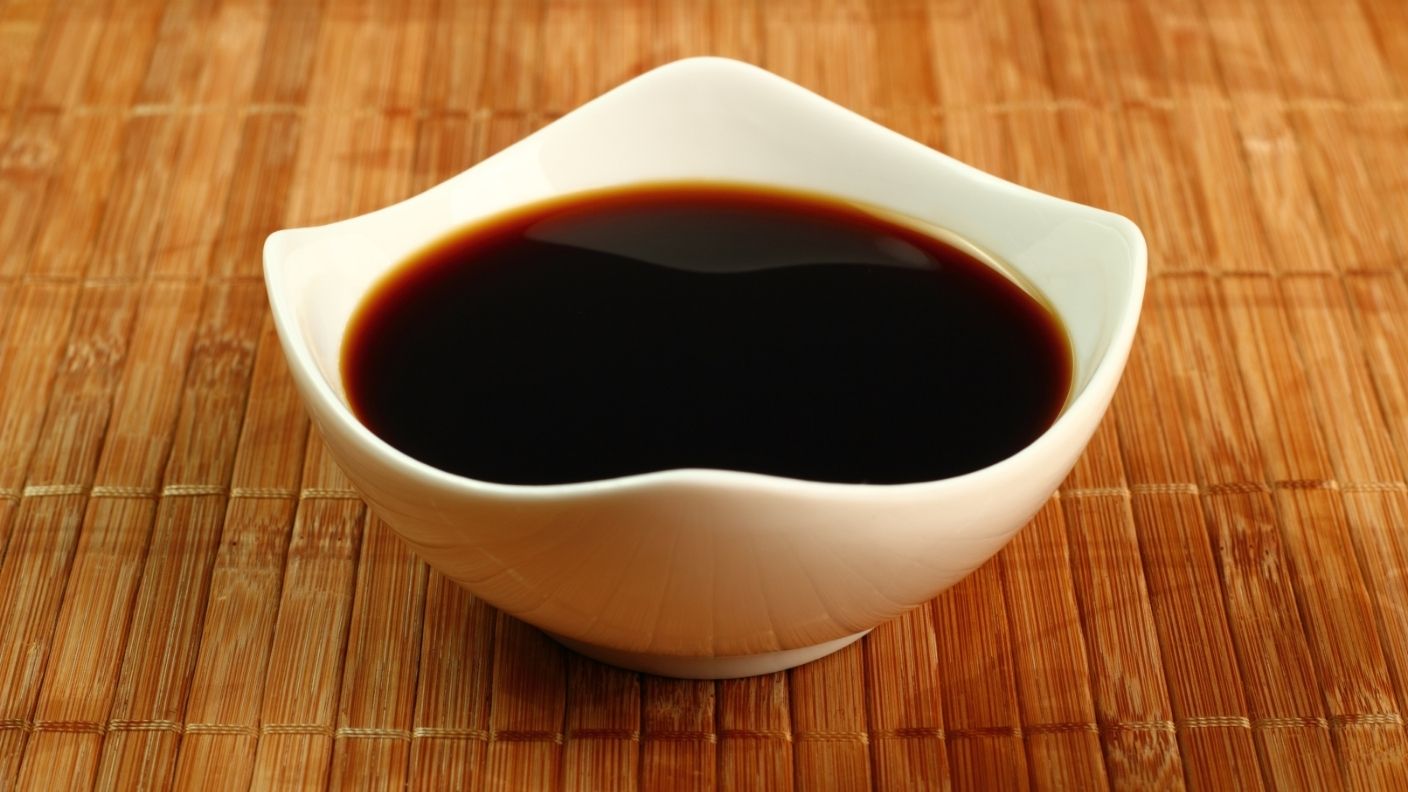
Soy sauce is one of the saltiest condiments in a typical kitchen, and it’s easy to pour more than intended when a recipe calls for it by the tablespoon. A single tablespoon can carry close to half a day’s recommended sodium limit on its own.
A low-sodium version cuts that number significantly while still delivering the same umami-rich flavor in stir-fries and marinades. Coconut aminos work as another substitute, offering a similar savory quality with a noticeably lighter sodium footprint.
Canned Vegetables
Canned vegetables are often packed in a salted liquid to help preserve them, and that liquid soaks into the vegetables themselves over time. Green beans, corn, and canned tomatoes are especially common offenders in a typical pantry.
Rinsing canned vegetables under water before cooking removes a meaningful portion of that surface sodium in just a few seconds. Choosing frozen vegetables instead, which are typically flash-frozen without added salt, sidesteps the issue completely.
Salty Snack Foods
Chips, pretzels, and salted crackers are formulated around salt as their primary flavor, making them easy to overeat well past a reasonable portion. Because the salt is coated on the surface, it hits the tongue immediately and keeps prompting another handful.
Air-popped popcorn seasoned with garlic powder, smoked paprika, or nutritional yeast delivers a similarly satisfying crunch with a fraction of the sodium. Unsalted nuts or roasted chickpeas make another solid swap for anyone craving something crunchy between meals.
RELATED ARTICLE: 8 Ingredients That Can Help You Make Less Takeout
