


I Ate More Protein for 30 Days—The Changes Were Surprising

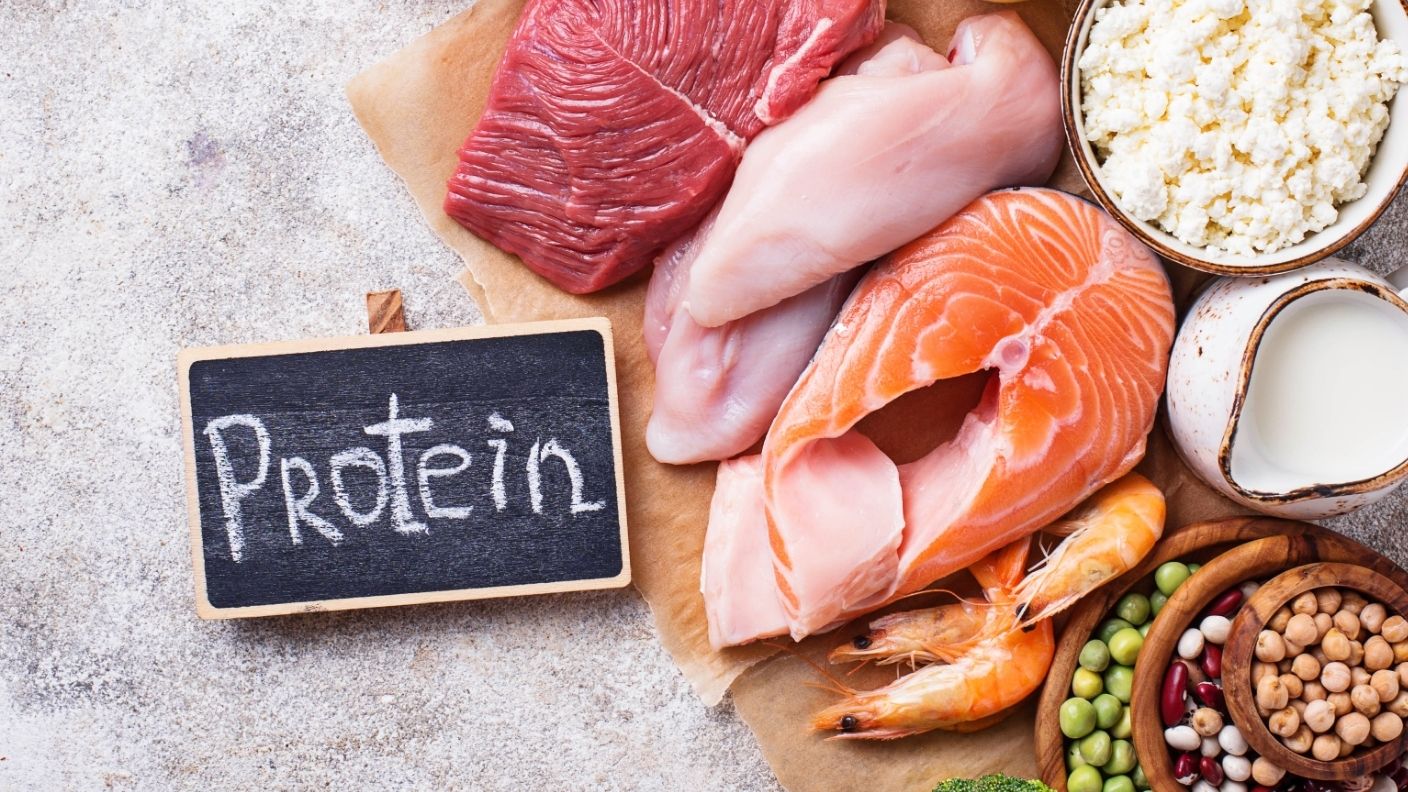

A high-protein diet gets recommended so often that it’s easy to assume the advice is simple: eat more chicken, add a shake, done. Registered dietitian Gillean Barkyoumb decided to actually test that assumption on herself for a full month, writing about it for EatingWell.
What she found wasn’t quite the straightforward win the advice usually implies.
A Registered Dietitian Decided to Test It on Herself
Rather than guessing at what a higher-protein month might feel like, Barkyoumb tracked her intake deliberately, building meals around whole food sources instead of shakes or bars. Greek yogurt, eggs, chicken, turkey, salmon, tofu, and lentils made up the bulk of her protein for the month.
That choice mattered to the outcome. By leaning on real food rather than processed protein products, she was testing what a genuinely sustainable version of the trend would actually look like day to day.
Whole Foods Did Most of the Work
Batch-cooking proteins ahead of time and pairing them with vegetables, whole grains, and healthy fats became the backbone of her approach. A seven-ounce container of Greek yogurt carrying around 20 grams of protein, or a couple of eggs at 6 grams each, did more of the heavy lifting than any supplement.
That structure kept the higher protein target from feeling like a separate project bolted onto her normal eating. It was closer to a shift in proportions than a totally different way of eating.
Snacking Dropped Off Within the First Week
One of the earliest changes she noticed had nothing to do with muscle or weight at all. Mid-afternoon snacking dropped off noticeably within the first week, replaced by steadier energy that carried her further into the afternoon without a dip.
That shift in satiety came up as one of the more immediate, tangible effects of the higher protein intake. It wasn’t dramatic, but it was consistent enough to notice without needing to track anything closely.
Muscle Loss With Age Was Part of Why She Cared
Part of her motivation for the experiment tied back to how muscle mass naturally declines with age, with adults typically losing several percent of lean muscle per decade starting as early as their thirties. Protein plays a direct role in slowing that decline when it’s paired with regular activity.
That framing gave the experiment a purpose beyond a short-term diet trend. It positioned higher protein intake as a long-term maintenance habit rather than a quick fix tied to any single month.
Too Much Protein, Too Little Fiber Caused Its Own Problem
By the third week, a different issue showed up. Leaning so heavily into protein-focused meals had quietly pushed fiber and vegetables further into the background than she intended, and her digestion noticed the imbalance.
That discovery became one of the more useful takeaways from the whole month. Chasing one nutrient hard enough can end up crowding out others that matter just as much, even without anyone intending for that to happen.
The Real Lesson Wasn’t About Protein at All
By the end of the month, Barkyoumb’s biggest takeaway wasn’t really about protein specifically. It was about how much more intentional and balanced her meals became once she started planning them at all, rather than eating on autopilot.
Whole foods consistently proved more satisfying than any processed high-protein alternative she tried along the way. The lasting change, in her own account, came less from the extra protein itself and more from the planning that higher protein intake forced her to do.
RELATED ARTICLE: 11 High Protein Fish and Seafood
