


The Pantry Staple You’ve Probably Been Storing Wrong Your Entire Life

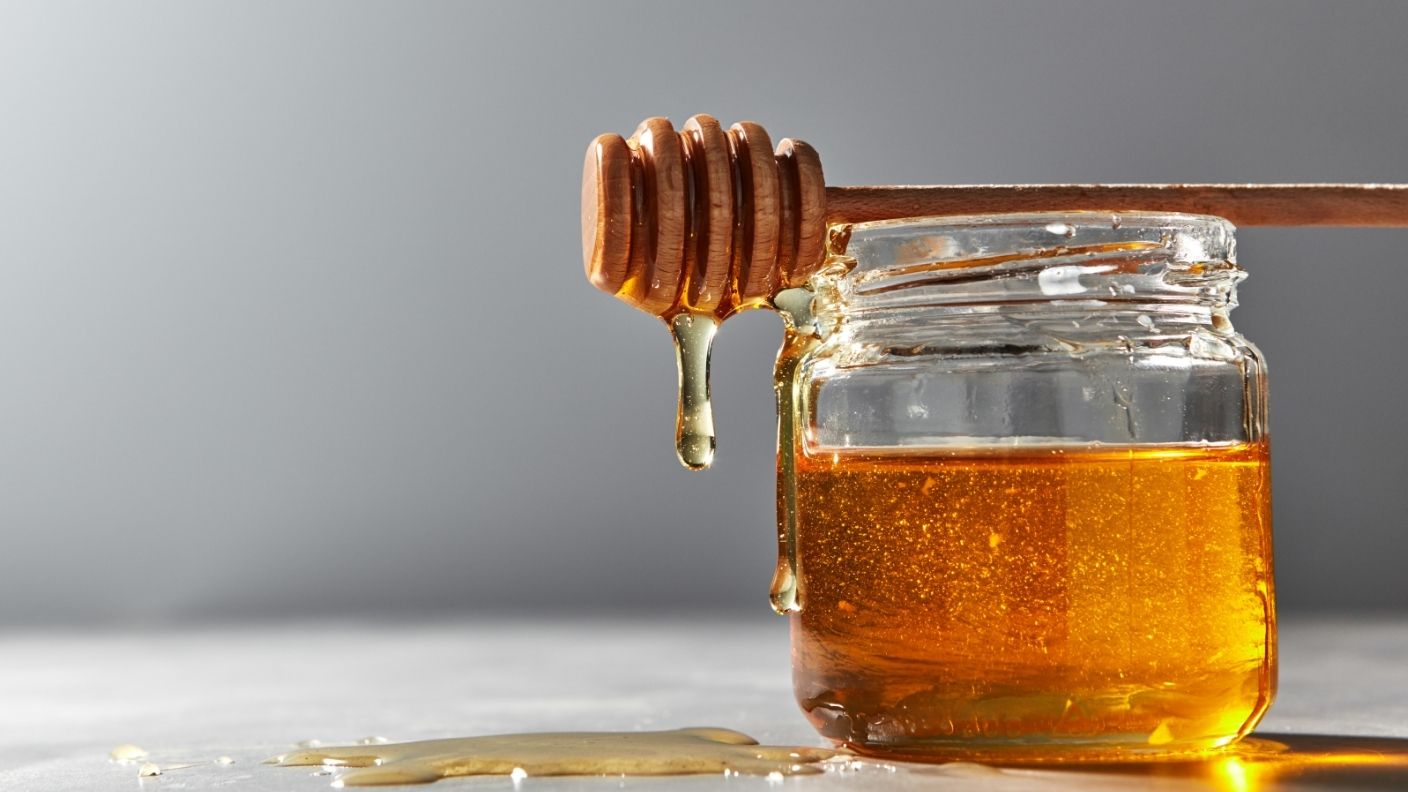

Honey has a reputation as one of the lowest-maintenance foods in the kitchen, and for the most part that reputation is deserved. That doesn’t stop nearly everyone from doing one specific thing to it that quietly works against it.
The habit is so automatic that most people don’t even register it as a choice.
Refrigeration Is the Instinct, But It’s the Wrong One
Once a jar of honey gets opened, a lot of people slide it straight into the fridge alongside every other condiment that lives there. It’s an understandable reflex, since refrigeration is the default response to almost anything opened in the kitchen.
Honey is one of the rare exceptions to that rule. It doesn’t need the cold at all, and in this case, the fridge actively works against it rather than helping.
Honey Essentially Never Goes Bad on Its Own
Honey’s low moisture content and naturally high acidity make it an extremely hostile environment for bacteria and mold. Sealed properly, it can sit at room temperature for years, even decades, without spoiling in any meaningful way.
That shelf stability is precisely why refrigeration was never actually necessary in the first place. There’s no food safety risk being managed by the cold, only a texture problem being quietly created instead.
Cold Temperatures Are What Actually Ruin the Texture
Refrigeration speeds up the natural process of crystallization, turning smooth, pourable honey into a thick, grainy substance far sooner than it would become at room temperature. That change happens eventually either way, but the cold accelerates it considerably.
A crystallized jar isn’t unsafe to eat, but it’s a lot less pleasant to use. Drizzling crystallized honey over toast or into tea takes real effort compared to a jar that’s stayed smooth.
Crystallization Isn’t Spoilage, Even Though It Looks Like It
A cloudy, grainy jar of honey often gets mistaken for something gone bad, prompting people to toss it out entirely. In reality, crystallization is a purely physical change, not a sign of contamination or expiration.
Pure honey’s natural sugars simply settle out of solution over time, a process that has nothing to do with safety. A jar showing this texture is still completely fine to eat, cloudy appearance and all.
A Sealed Jar in the Pantry Is All It Actually Needs
The correct home for honey is a cabinet or pantry shelf, sealed tightly and kept away from direct sunlight and heat sources like the stove. Room temperature, dark, and dry is really the entire list of requirements.
That’s a considerably lower bar than most pantry staples actually need. Once it’s stored this way, a jar can realistically outlast almost anything else sitting on the same shelf.
Fixing Honey That’s Already Crystallized
A jar that’s already turned grainy from too much time in the fridge, or just from sitting for a long while, isn’t ruined. Setting the jar in a bowl of warm water and letting it sit for several minutes gently melts the crystals back into a smooth liquid.
The microwave works too, in short bursts with the lid removed, though it requires a bit more attention to avoid overheating. Either method brings the honey right back to its usual texture, ready to go back onto the pantry shelf where it belonged all along.
RELATED ARTICLE: Want to Save Money on Groceries? These Foods Can Stretch Your Budget
