


Trying to Lose Weight but Love Carbs? This Simple Swap May Change How You Eat

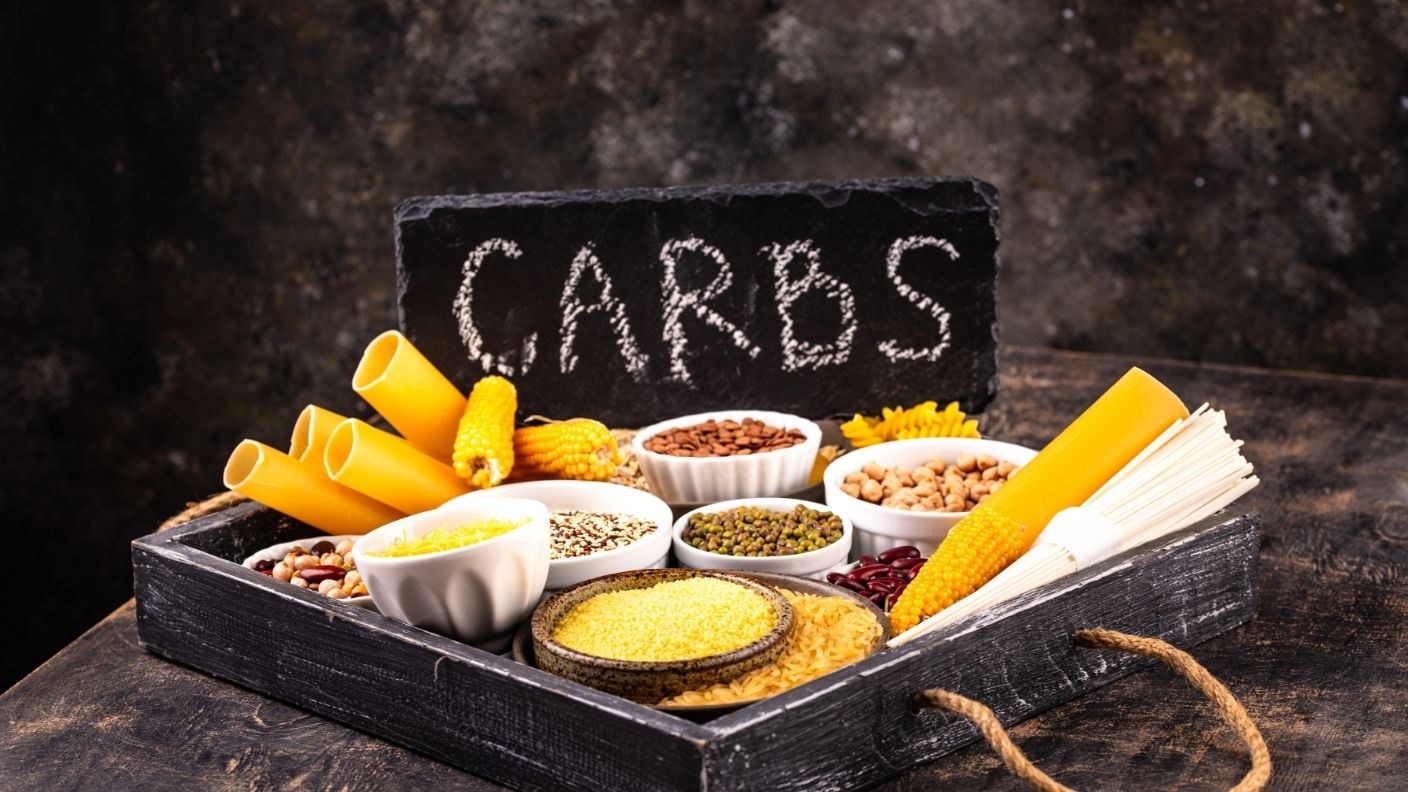

Cutting carbs is usually the first suggestion anyone hears when trying to lose weight, and it’s also the one most people abandon fastest. Giving up rice, pasta, and potatoes for good rarely lasts, no matter how motivated the first week feels.
There’s a far smaller change that doesn’t require any of that sacrifice, and it has nothing to do with eating less of these foods at all.
The Swap Isn’t About What You Eat, But How
Rather than avoiding carb-heavy foods, this trick changes how they’re prepared before eating. Cooking rice, pasta, or potatoes and then letting them cool, rather than eating them fresh and hot, changes their structure in a genuinely measurable way.
That single step doesn’t require a different grocery list or a new recipe. It’s the same food, just handled a little differently between the stove and the plate.
What Actually Happens When Carbs Cool Down
As these starchy foods cool, some of their digestible starch converts into what’s called resistant starch, a form the body processes more like fiber than a typical carbohydrate. That shift means fewer of the starch’s calories actually get absorbed during digestion.
Resistant starch also causes a noticeably smaller spike in blood sugar compared to the same food eaten hot. Reheating the food afterward doesn’t fully reverse this change, so the benefit largely holds even after a quick trip through the microwave.
Rice Benefits the Most From This Trick
Rice shows some of the clearest results in research on this topic, with cooked-and-cooled rice producing a meaningfully smaller blood sugar spike than rice eaten straight off the stove. Refrigerating a batch overnight before reheating it the next day captures most of that benefit.
Fried rice made from day-old rice, a dish that already exists for practical reasons, happens to be a genuinely good example of this principle already in action. The cooling step that makes leftover rice easier to fry also happens to be doing this nutritional work at the same time.
Potatoes Work Just as Well, Even Reheated
Potatoes cooked and then chilled, whether boiled, roasted, or baked, develop a similar increase in resistant starch. A potato salad made from chilled, cooked potatoes carries this benefit built right into the recipe already.
Reheating cooled potatoes for a warm meal still preserves a meaningful portion of that resistant starch, even though the dish is no longer cold. It’s a rare case where a dish people already make out of convenience happens to align with the science.
Pasta Gets in on the Trick Too
Pasta cooked and cooled, then either eaten cold in a salad or reheated the next day, shows the same shift toward resistant starch as rice and potatoes. A cold pasta salad made a day ahead isn’t just a meal-prep shortcut, it’s also a genuinely different food from a nutritional standpoint than the same pasta eaten fresh.
That difference doesn’t require undercooking the pasta or changing the sauce in any way. The cooling period alone does the actual work.
It Won’t Replace Portion Control, But It Helps
This swap isn’t a substitute for paying attention to overall portions or eating a balanced plate. It’s a small adjustment layered on top of normal eating habits, not a replacement for them.
What it does offer is a way to keep eating genuinely loved carb-heavy foods while getting a modest, measurable benefit in return. For anyone who’s struggled to stick with cutting carbs entirely, changing how they’re prepared is a far easier habit to actually maintain.
RELATED ARTICLE: Always Hungry Even After Eating? This Simple Food Swap May Be the Answer
