


8 Foods That Are Worth Buying Frozen Instead of Fresh


Walking past the produce aisle straight to the freezer section can feel like settling for less, as if fresh is automatically the better choice by default. For a surprising number of foods, that assumption doesn’t actually hold up once price, convenience, and even nutrition get factored in.
A handful of ingredients genuinely perform better frozen, no compromise required.
Berries
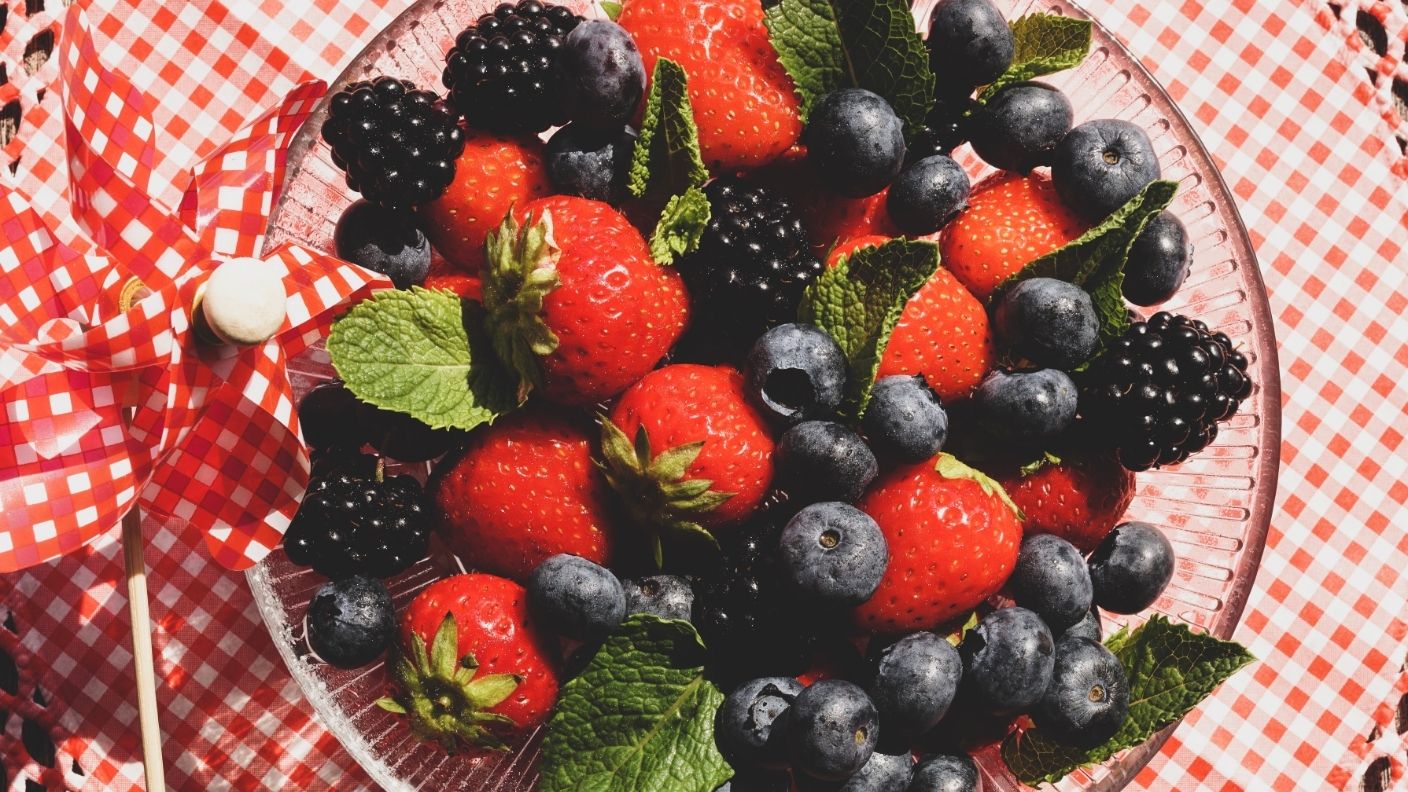
Blueberries, strawberries, and raspberries are picked and frozen at peak ripeness, which often means they carry more nutrients than the “fresh” versions that traveled for days before reaching a store shelf. Freezing locks in that nutritional value at the exact moment the fruit was at its best.
Fresh berries also have a frustratingly short window before they turn moldy, while frozen ones last for months without any of that pressure. For smoothies, baking, or oatmeal toppings, frozen berries do the job just as well for a fraction of the price.
Corn
Corn’s sugar content starts converting to starch the moment it’s picked, which means fresh corn loses sweetness quickly unless it’s eaten almost immediately. Frozen corn is processed and frozen within hours of harvest, locking in that peak sweetness before it has a chance to fade.
Outside of peak summer season, fresh corn on store shelves has often been sitting around considerably longer than anyone realizes. Frozen corn sidesteps that problem entirely, delivering consistent flavor and texture no matter what month it is.
Peas
Fresh peas have one of the shortest windows of peak flavor of any common vegetable, turning starchy and dull within a day or two of being picked. Frozen peas are blanched and frozen almost immediately after harvest, preserving a sweetness that fresh peas rarely still have by the time they reach a shopping cart.
Shelling fresh peas is also a genuinely tedious task for a relatively small yield. Frozen peas remove that effort entirely while usually tasting noticeably better in the process.
Spinach
Fresh spinach wilts fast and loses volume dramatically once cooked, often making a large bag disappear into a disappointingly small portion. Frozen spinach is already cooked down, delivering the same nutrition in a far more practical, less wasteful form for soups, sauces, and baked dishes.
Because it’s flash-frozen shortly after harvest, frozen spinach also retains a comparable amount of vitamins to fresh. For anything other than a raw salad, it’s usually the more practical choice by a wide margin.
Shrimp
Most shrimp sold as “fresh” at a seafood counter was actually previously frozen and simply thawed before display. Buying it still frozen skips that extra handling step entirely, and it’s very often the exact same product for a lower price.
Keeping a bag in the freezer also means a fast, protein-rich dinner is always within reach without needing to plan a grocery trip around it. There’s rarely a meaningful quality difference between the two once it’s actually cooked.
Mango
Ripe, ready-to-eat fresh mango is genuinely hard to find outside of peak season, and an underripe one rarely improves much once it’s home. Frozen mango is picked and processed at full ripeness, guaranteeing the sweetness that a fresh, unripe mango often can’t deliver.
It also skips the awkward, messy process of peeling and cutting around a large pit. For smoothies or a quick fruit salad, frozen mango consistently outperforms a fresh one that was picked too early.
Edamame
Fresh edamame in the pod is rarely available outside of specialty grocery stores, making frozen the default option for most shoppers already. Pre-shelled frozen edamame in particular saves a considerable amount of prep time compared to the pod version.
A quick steam or boil from frozen delivers the same protein and fiber content as any fresh version would. It’s a case where the frozen option isn’t a compromise so much as the standard, practical choice.
Bell Peppers
Sliced frozen bell peppers make quick work of stir-fries, fajitas, and omelets without any chopping required. Because they’re intended for cooking rather than eating raw, the slightly softer texture that comes with freezing doesn’t make much of a noticeable difference in a finished dish.
They’re also considerably cheaper than fresh peppers for a similar volume, with none of the waste that comes from a fresh pepper going soft before it gets used. For anything that isn’t a raw salad or crudité platter, the frozen version holds its own easily.
RELATED ARTICLE: The Grocery Store Foods Nutritionists Say Are Worth Buying More Often
