


The Grocery Store Trick That Makes Some Fruits Last Almost Twice as Long

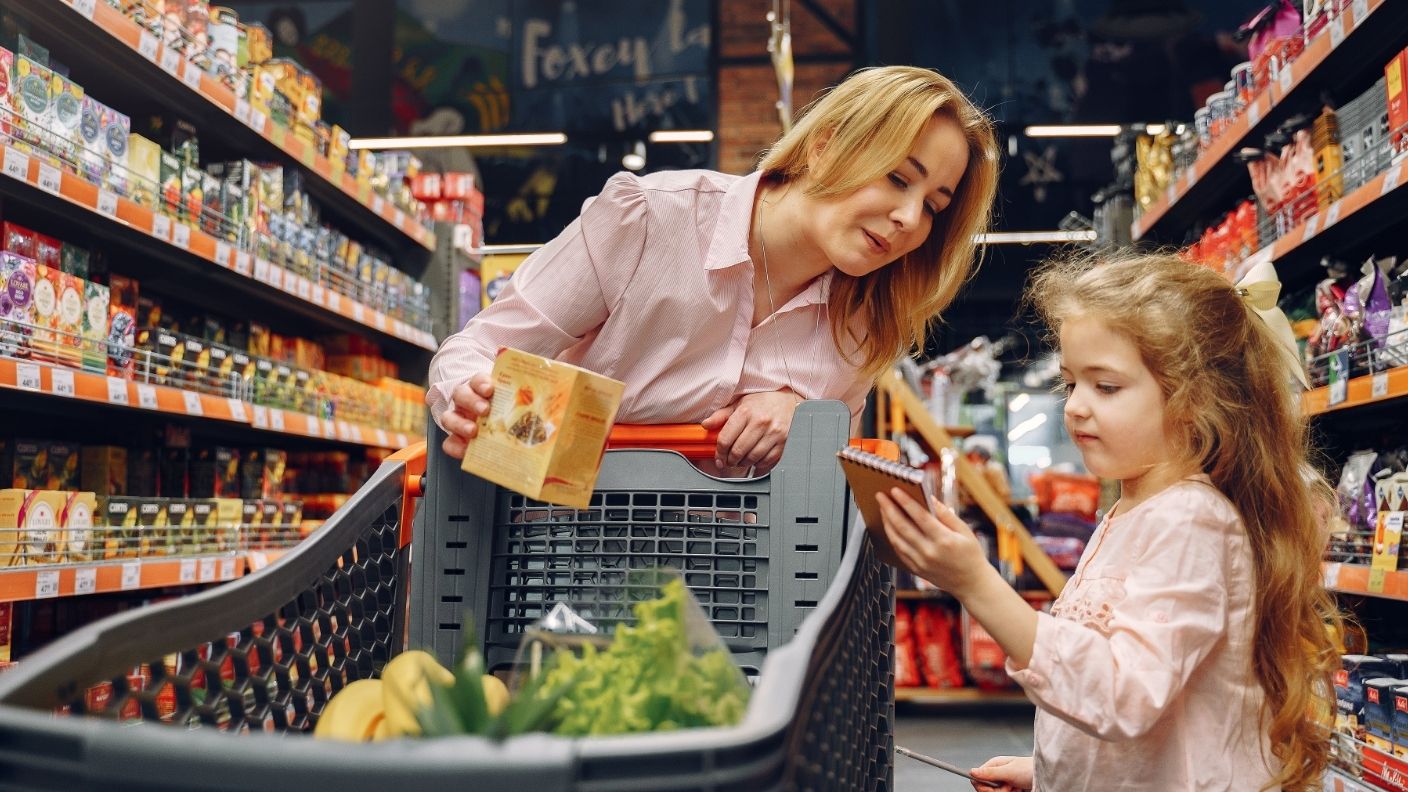

Watching half a bag of fruit turn soft and brown before it even gets eaten is one of the more frustrating parts of grocery shopping. Most people assume it’s just bad luck or a bad batch, when the real cause usually starts long before the fruit even reaches the fridge.
A small habit picked up at checkout, or even earlier while filling the cart, can make a genuinely noticeable difference in how long everything actually lasts.
The Trick Is Separation, Not Storage
The real fix has almost nothing to do with temperature and everything to do with keeping certain fruits away from certain others. Some fruits release a natural gas as they ripen, and when that gas builds up around more delicate produce, it speeds up spoilage considerably.
Bagging ethylene-heavy fruits separately from more sensitive items, right there at the store, is often enough to add several extra days of freshness. It costs nothing and takes only a few extra seconds while shopping.
Why This Gas Causes Spoilage So Fast
The gas in question is ethylene, and it acts as a natural ripening signal that fruit releases as it matures. In small amounts it’s harmless, but in the enclosed space of a shared grocery bag, that concentration builds up quickly.
Produce sensitive to ethylene absorbs that signal and starts ripening, and eventually spoiling, far faster than it would on its own. It’s less about anything going wrong with the fruit itself and more about an entirely avoidable chemical reaction.
Which Fruits Benefit Most From Being Kept Apart
Apples, bananas, and avocados are some of the heaviest ethylene producers, and keeping them bagged separately protects softer fruits like berries, grapes, and stone fruit from ripening too fast. Those more delicate items are usually the first to go bad in a mixed bag.
Leafy greens are especially vulnerable too, wilting noticeably faster when stored near high-ethylene fruit. A single loose apple rolling around near a head of lettuce can shave real days off its shelf life.
How to Actually Set This Up
The habit itself is simple: bag high-ethylene fruits like apples, bananas, and avocados separately from everything else while still at the store, then keep that separation going once everything gets home. A designated fruit bowl for ethylene producers, kept away from the crisper drawer, works well for the counter.
In the fridge, separate produce drawers make this even easier to maintain without much thought. Once the habit is in place, it barely requires any extra effort to keep up.
A Common Mistake That Cancels It Out
Buying pre-packaged mixed produce bags, the kind that combine apples with berries or grapes for convenience, quietly undoes the entire trick before it even starts. Those bags concentrate ethylene gas around delicate fruit from the moment they’re packed.
Splitting a mixed bag apart immediately after purchase, rather than storing it as-is, recovers most of the benefit. It only takes a minute at home to transfer everything into separate containers.
Starting the Habit Before Leaving the Store
The easiest place to begin is at checkout, using separate produce bags for ethylene-heavy fruit rather than tossing everything into one. That single decision determines how everything behaves for the rest of the week, long before it ever reaches the fridge.
Over time, the difference shows up clearly in how much less produce actually gets thrown away. A habit that costs nothing and saves real money is a rare combination in grocery shopping.
RELATED ARTICLE: The Grocery Habit That Helps Families Waste Less Food Every Week
