


7 Old-Fashioned Foods People Ate More Often That Deserve a Comeback


Grocery lists have narrowed considerably over the past several decades, settling into a fairly predictable rotation of the same dozen or so proteins and vegetables. Plenty of foods that used to be genuinely common have quietly fallen out of regular use along the way.
None of these disappeared because they stopped tasting good. They mostly just got crowded out by convenience, and a lot of them are worth bringing back.
Beef Tongue
Beef tongue was a regular, affordable cut in kitchens for generations, prized for how tender it becomes with slow cooking. It fell out of favor largely because of appearance rather than flavor, an unfortunate reason to skip a genuinely rich, beefy cut.
Braised for several hours, it turns meltingly soft and works well sliced into tacos or served alongside a simple sauce. It’s still a fraction of the price of more popular cuts at most butcher counters.
Buttermilk
Real buttermilk, the tangy liquid left over from churning butter, used to be a kitchen staple long before it became a niche baking ingredient bought in small cartons. Its acidity made it useful for both drinking on its own and tenderizing baked goods.
A glass of cold buttermilk was once a common way to cool off, something that sounds unusual today but was completely ordinary a few generations back. It still adds a distinctive tang to biscuits and pancakes that regular milk can’t replicate.
Pickled Herring
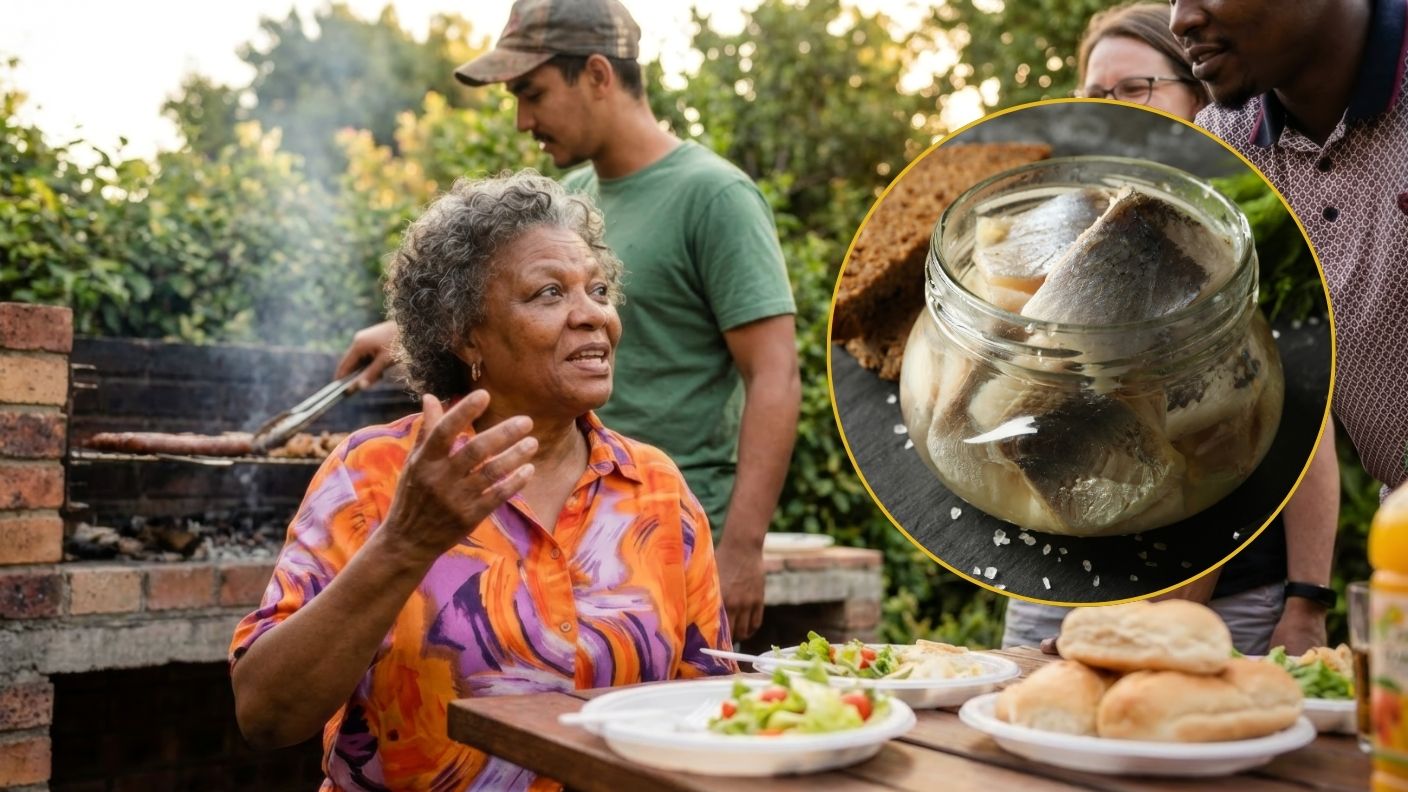
Pickled herring was a pantry staple in many households, prized for being inexpensive, shelf-stable, and packed with the same omega-3s found in more expensive fish. It fell out of common rotation as fresh, boneless fillets became more convenient and accessible.
Served with crackers or over a bed of greens, it delivers a briny, tangy flavor that’s genuinely distinct from most modern fish dishes. A single jar can last for weeks in the fridge without losing quality.
Cornmeal Mush
Before oatmeal became the default warm breakfast, cornmeal mush, a simple porridge made from cornmeal and water or milk, filled that role in a lot of households. It’s essentially the base for grits, just prepared a little differently and eaten on its own.
Topped with a little butter and honey, it makes a genuinely comforting breakfast that costs very little to prepare. Leftovers can even be sliced and pan-fried the next morning for a crispy variation.
Oxtail
Oxtail was once considered a throwaway cut, sold cheaply because of how much work it took to prepare. Slow braised, it releases a deep, gelatinous richness into whatever broth or stew it’s cooked in, something few other cuts can match.
It’s found new popularity in certain cuisines, but it remains largely absent from everyday home cooking outside of those traditions. A pot of oxtail stew rewards patience with a depth of flavor that quicker cuts simply can’t deliver.
Hominy
Hominy, corn kernels treated to remove the hull and germ, used to be a common side dish and soup base long before it became mostly associated with a single regional dish. Its chewy texture and mild corn flavor make it a versatile base for far more than one recipe.
Simmered into a simple stew or fried until slightly crisp, it holds its own as a genuinely satisfying side. Canned hominy makes it an easy ingredient to bring back into regular rotation.
Salt Pork
Salt pork was once a kitchen workhorse, used to season everything from beans to greens with a smoky, salty depth long before bacon took over that role. A small piece rendered in a pot does a remarkable amount of flavor work for very little cost.
It’s shelf-stable in a way fresh pork isn’t, which made it a practical pantry staple for generations before refrigeration was reliable. A small chunk simmered with a pot of beans still delivers that same deep, savory backbone today.
RELATED ARTICLE: The One Pantry Food Many Healthy 80 Year Olds Still Eat Regularly
