


7 Foods That Are Packed With More Protein Than You Might Expect

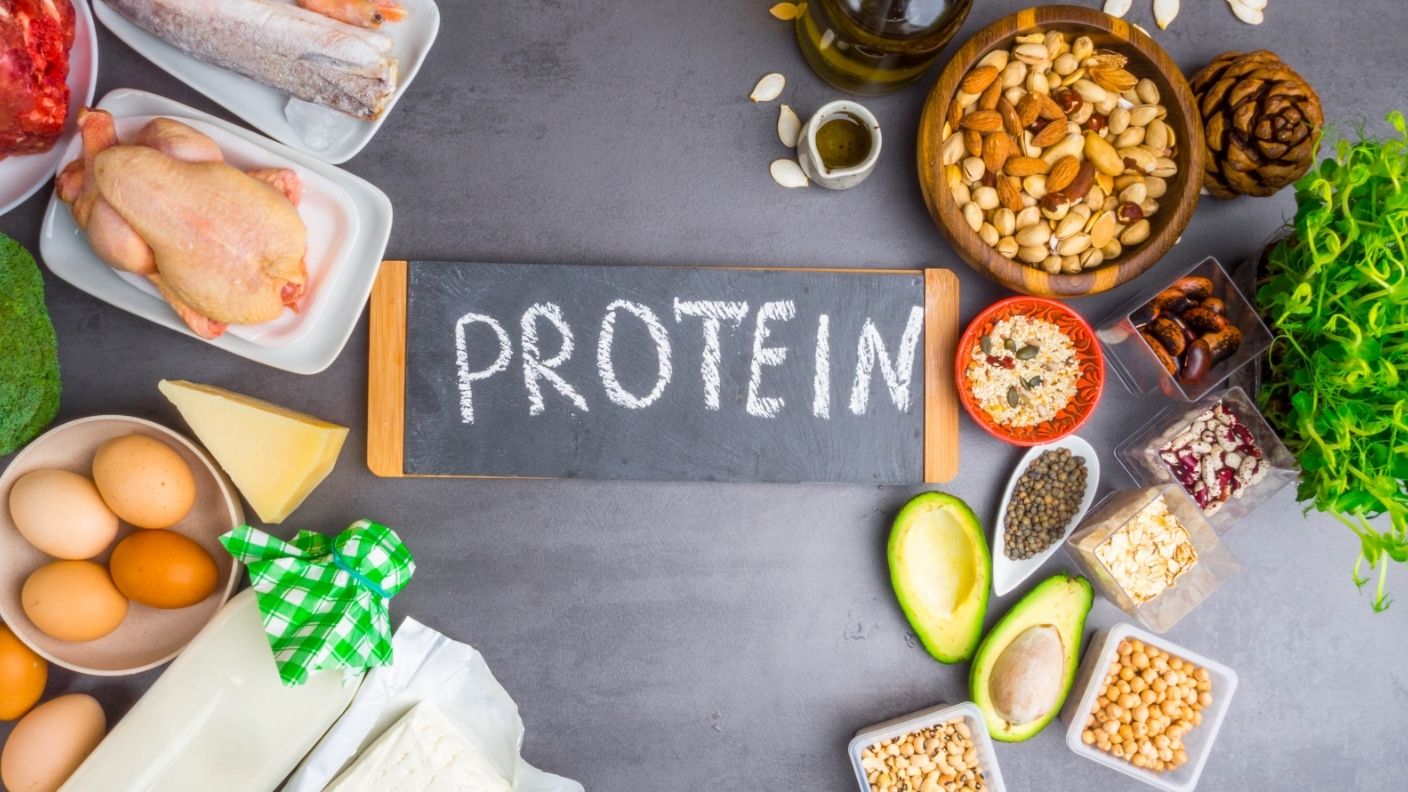

Protein tends to get associated almost exclusively with chicken breast and protein shakes, as if nothing else really counts toward the daily total. A surprising number of everyday foods actually carry a meaningful amount, often without anyone realizing it.
Working a few of these into a regular rotation is an easy way to boost protein intake without restructuring an entire diet around it.
Cottage Cheese
A single cup of cottage cheese carries roughly as much protein as three eggs, making it one of the most underrated protein sources in a typical fridge. Its mild flavor also means it takes on sweet or savory toppings equally well.
Because that protein is largely casein, it digests slowly, which helps keep hunger at bay for longer than a lot of other snacks manage. A bowl with fruit or a savory version with tomatoes and olive oil both work well.
Edamame
A cup of shelled edamame delivers close to 17 grams of protein, an unusually high amount for a vegetable. As a complete plant protein, it carries all nine essential amino acids, which is relatively rare outside of animal products.
Steamed and lightly salted, edamame works as a genuinely satisfying snack on its own. Tossed into a grain bowl or salad, it adds a meaningful protein boost without needing any meat at all.
Rolled Oats
A single cup of cooked oats carries around 6 grams of protein, more than most people expect from a food generally thought of as a carbohydrate. Combined with the fiber oats already bring to the table, that protein content helps make a bowl considerably more filling than it looks.
Stirring in a scoop of nut butter or a splash of milk instead of water adds even more protein without much extra effort. It’s an easy upgrade to a food already in most kitchens.
Green Peas
A cup of green peas carries roughly 8 grams of protein, putting them well ahead of most other vegetables in that category. They also bring fiber and a range of vitamins that most protein sources don’t offer at all.
Tossed into rice, pasta, or a simple side dish, peas are an easy way to sneak extra protein into a meal that wouldn’t otherwise carry much. Frozen peas retain nearly all of that nutrition, making them a convenient year-round option.
Pumpkin Seeds
An ounce of pumpkin seeds carries about 7 grams of protein alongside a healthy dose of magnesium and zinc. That combination makes them a genuinely useful snack rather than just a seasonal topping for soup.
Roasted and lightly salted, they hold up well as a portable snack that doesn’t need refrigeration. Sprinkled over salads or oatmeal, they add crunch along with the protein boost.
Nutritional Yeast
Two tablespoons of nutritional yeast carry around 8 grams of protein along with a naturally cheesy, savory flavor that makes it popular in plant-based cooking. It’s also commonly fortified with B12, a nutrient that can be harder to get on a plant-heavy diet.
Sprinkled over popcorn, pasta, or roasted vegetables, it adds both flavor and protein in a way most people wouldn’t expect from something that looks like a seasoning. A small jar lasts a surprisingly long time given how often it gets used.
Quinoa
A cup of cooked quinoa delivers about 8 grams of protein, and unlike most plant-based grains, it’s a complete protein carrying all nine essential amino acids. That combination makes it a genuinely useful substitute for rice or pasta in a protein-focused meal.
Its slightly nutty flavor works in both savory dishes and cold salads, making it easy to rotate into a weekly routine. Cooking a large batch at once means it’s ready to add to meals throughout the week.
RELATED ARTICLE: 11 High Protein Fish and Seafood
