


Can You Eat Pumpkin Skin?

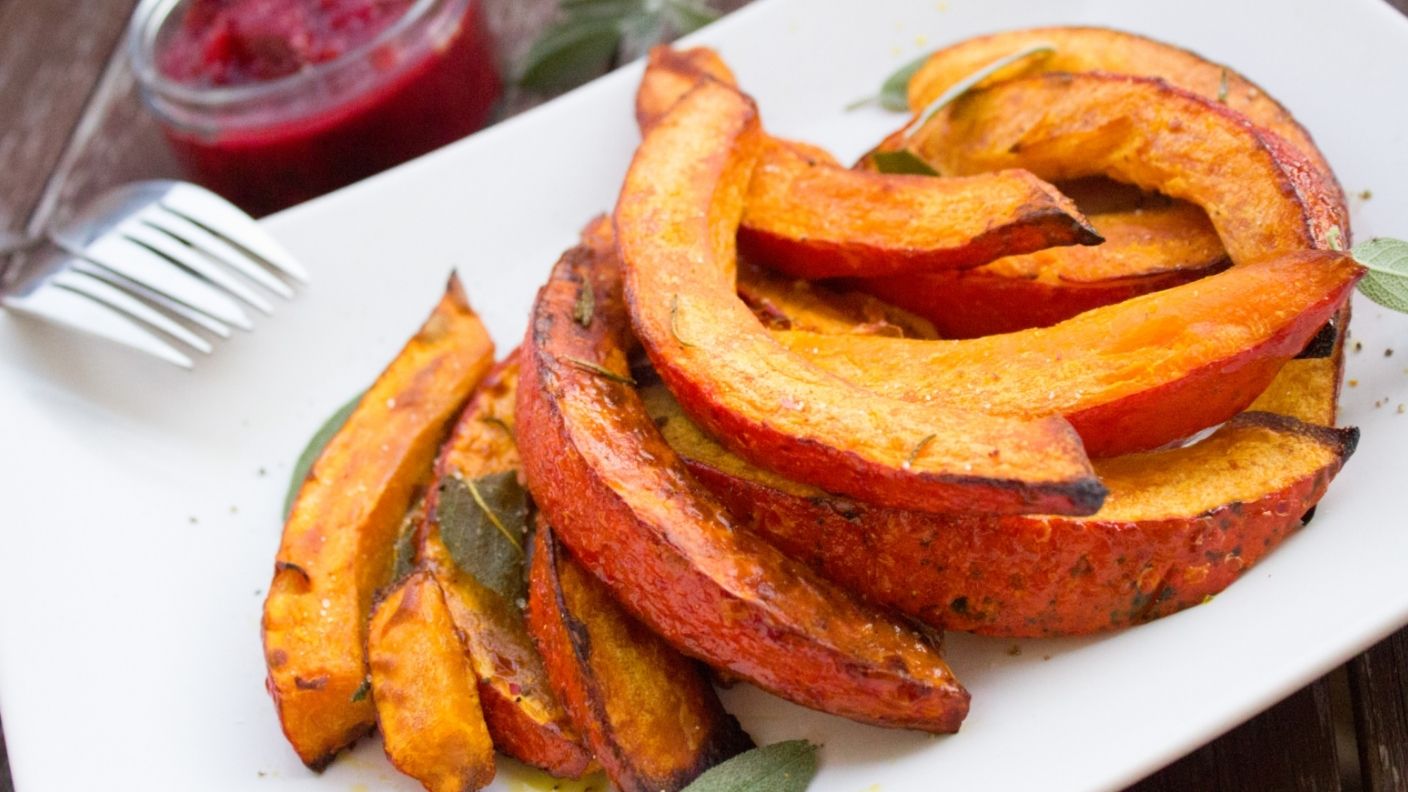

Pumpkin season comes with a lot of automatic habits, and peeling off the skin before cooking is one that most people never think to question. It gets scraped away and tossed without much consideration, the same way an onion skin or a banana peel would be.
Whether that’s actually necessary turns out to depend a lot more on the type of pumpkin and what you’re making than most people realize.
Yes, Pumpkin Skin Is Edible
Pumpkin skin is completely edible and isn’t something that needs to be avoided for safety reasons. Like most produce sold for eating, the skin simply hasn’t been bred out or removed the way some tougher plant parts have, and it carries its own nutritional value right along with it.
That said, edible doesn’t automatically mean pleasant in every situation. Some pumpkin varieties have thin, tender skin that cooks down easily, while others, especially the large ones bred mainly for size, have a noticeably tougher rind that takes real effort to soften.
Why the Texture Puts People Off
Raw pumpkin skin is fibrous and can be genuinely difficult to chew through, which is usually the actual complaint hiding behind “you can’t eat that.” The same is true of most winter squash, where the skin needs real heat and time before it turns pleasant rather than rubbery.
That toughness is also why so many recipes default to peeling first. It’s less about safety and more about convenience, since a smooth puree or a delicate pie filling doesn’t have much use for a chewy strip of rind mixed in.
Cooking Methods That Make It Worth Eating
Roasting is the method most likely to turn pumpkin skin into something worth keeping. Cut into wedges or chunks and roasted at a high temperature, the skin softens considerably and often picks up a slightly caramelized, almost crisp edge that adds real texture next to the soft flesh underneath.
Boiling or steaming the skin before roasting it separately is another option, softening it enough that it stops being a chewing chore. Once cooked this way, it works well tossed into soup stock, added to a vegetable medley, or seasoned and roasted on its own like a chip.
Skip the Skin on Purees, Pies, and Soups
Anything that depends on a completely smooth texture is where peeling still makes sense. A pie filling or a silky pureed soup doesn’t have room for fibrous bits of skin, no matter how well they’ve been cooked, since even softened rind can leave a slightly grainy texture behind in a blender.
In those cases, it’s less a food safety decision and more a matter of what the finished dish is supposed to feel like in the mouth. Skin-on works beautifully in a chunky roast or a rustic dish; it works against you in something meant to be silky.
Carving and Decorative Pumpkins Are a Different Story
Pumpkins bought specifically for carving or porch decoration are a separate situation entirely.
Michigan State University Extension notes that once a pumpkin has been carved and left out at room temperature, it becomes a perishable food sitting in the exact temperature range where bacteria multiply quickly.
Beyond the carving issue, decorative pumpkins are also sometimes treated with wax or other coatings meant to extend their shelf life on a porch or table, not intended for eating. If you actually want to cook a pumpkin, it’s worth buying a separate one grown for that purpose rather than repurposing the jack-o’-lantern after Halloween.
What You Gain Nutritionally by Keeping It On
Pumpkin skin isn’t just edible filler, it genuinely carries more concentrated nutrition than the flesh in several categories. It’s a good source of fiber, along with vitamin C, vitamin E, and several B vitamins that are present in smaller amounts throughout the rest of the pumpkin.
That’s a fairly common pattern across produce in general, where the outer layer ends up more nutrient-dense than the softer interior. It’s not a reason to force down a piece of raw, tough skin, but it’s a real argument for roasting it rather than automatically peeling it into the trash.
RELATED ARTICLE: How to Make Canned Pumpkin Taste Better? 7 Ideas
