


Why Do We Crave Heavier, Richer Food as the Weather Turns Cold?

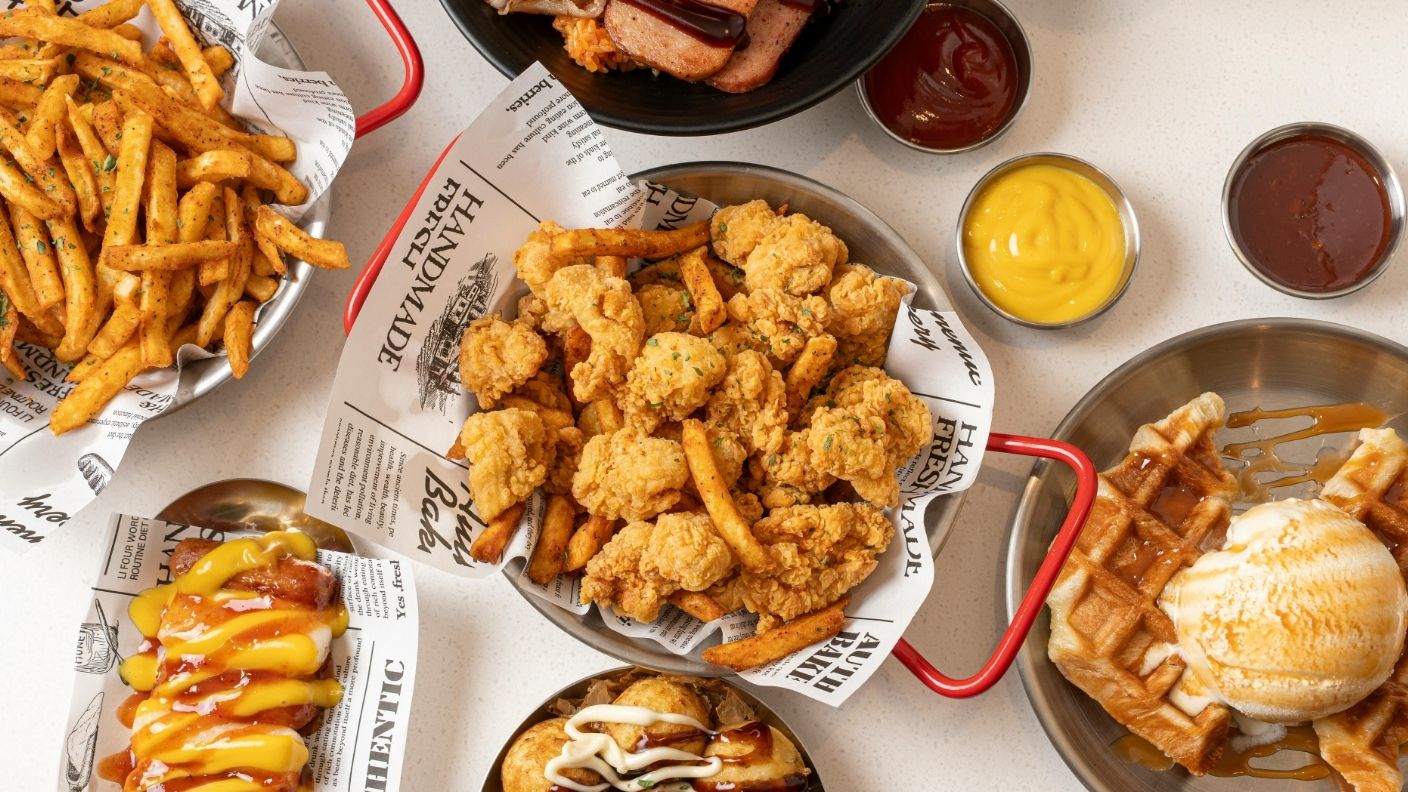

The first genuinely chilly week of the year rarely shows up alone. It tends to arrive with a sudden appetite for stew, bread, cheese, and pretty much anything that wouldn’t have sounded appealing back in July. That shift feels almost automatic, which raises a fair question: is anyone actually choosing it, or is something else steering the wheel?
Your Body Is Working Harder to Stay Warm
Cold temperatures force the body to spend more energy just maintaining a stable internal temperature, a process researchers call thermogenesis. That extra energy expenditure translates fairly directly into extra hunger, since the body is burning through fuel faster than it does on a mild day.
Richer foods make sense once digestion enters the picture. Dense, fatty meals break down more slowly in the gut, according to nutrition writer Lisa Turner, which means they release energy steadily over a longer stretch instead of in one quick burst.
Less Daylight Means Less Serotonin
Shorter days cut into how much sunlight the body takes in, and that has a direct effect on serotonin, the brain chemical tied to mood and calm. Carbohydrates are one of the few things that reliably boost serotonin production, which helps explain why bread, pasta, and potatoes suddenly sound so appealing once the clocks change.
Registered dietitian Brea Lofton has pointed out that this isn’t just a mood thing, it’s measurable brain chemistry reacting to less sunlight. A craving for something starchy and warm is often the body chasing a chemical lift, not just a stomach chasing calories.
Hunger Hormones Shift With the Temperature
Cold weather appears to nudge the hormones that regulate hunger and fullness in a direction that makes overeating easier. Ghrelin, the hormone that signals hunger, tends to rise, while leptin, the hormone that signals fullness, tends to drop.
Physician Crystal Wyllie has described this as part of a genuine biological pattern rather than a simple lack of willpower. People often feel less satisfied after a normal-sized meal once the temperature drops, which sends them back toward the plate sooner than usual.
Cold Weather Quietly Dulls Your Thirst Cues
Cooler air makes people less likely to feel thirsty, even though the body still needs roughly the same amount of water it did in summer. Nutrition professor Emma Laing has pointed out that this disrupted signal can easily get mistaken for hunger, since dehydration and hunger share some overlapping physical cues.
That mix-up means a genuinely thirsty body can end up reaching for a snack instead of a glass of water. Over the course of a whole winter, that small daily mistake adds up to a fair amount of extra richer food that wasn’t really needed in the first place.
The Holidays Aren’t Exactly Helping
Winter also happens to be packed with the highest concentration of food-centered holidays and gatherings on the calendar. Thanksgiving, the winter holidays, and a long stretch of football season all put dense, celebratory food directly in front of people far more often than any other season does.
That timing isn’t really a coincidence so much as a reinforcing loop. The same biological push toward richer food lines up almost exactly with the months when richer food is served constantly, encouraged socially, and harder to turn down.
It’s Also Just Nostalgia
Beyond the biology, a lot of what gets craved in cold weather is tied to memory and association built up over a lifetime. Stews, casseroles, and baked goods tend to be linked with childhood, family gatherings, and being indoors somewhere warm.
That emotional pull is real, even if it isn’t hormonal. Once the first cold snap arrives, it’s genuinely hard to separate the body’s honest need for more fuel from the mind’s own memory of what cold weather is supposed to taste like.
RELATED ARTICLE: 9 Comfort Foods to Make When the Weather Finally Cools Down
