


What Andie MacDowell (68) Changed About Her Diet as She Got Older

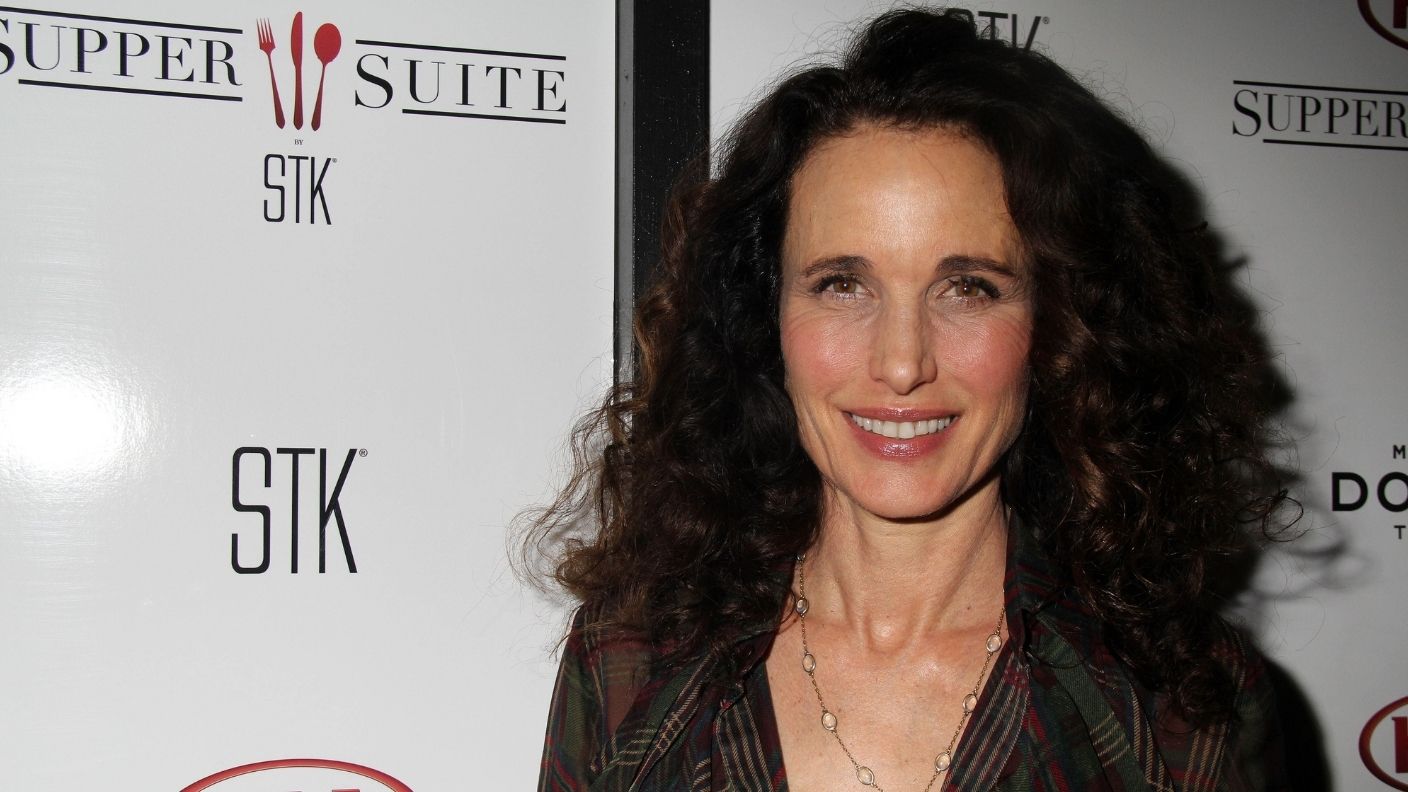

Andie MacDowell has eaten cleanly for decades, growing her own wheatgrass and juicing vegetables long before either was trendy. What actually shifted as she got older wasn’t the food itself, it was the reason behind eating it.
She Used to Dress for a Number, Not How She Actually Felt
MacDowell has described a specific moment that changed her relationship with dieting: preparing for a red carpet event and not fitting into the dress she wanted to wear. “I didn’t fit into the dress I wanted to wear, and I was disappointed,” she has said, describing her old instinct to chase a specific size no matter the cost.
That moment stuck with her specifically because of what came next. She realized the goal of squeezing into a certain dress wasn’t actually worth returning to.
That Moment Became the Turning Point Away From Restriction
Rather than going back to the extreme dieting she’d relied on earlier in her career, MacDowell has said she made a conscious decision to stop. “I didn’t want to go back to starving myself to fit a dress. That’s not the kind of woman I want to be anymore,” she explained.
That shift reframed food entirely, from something to control and restrict into something meant to support her. “Eat what fuels you. I don’t believe in extreme diets or cutting out food groups,” she’s said, describing her current approach as nourishment rather than punishment.
Her Daughters Changed How She Talks About Her Own Body
MacDowell has credited her daughters, Margaret and Rainey Qualley, with reshaping how she views her own body as she’s aged. Ahead of an event where her clothes felt too tight, she recalled feeling upset, then catching herself. If her daughter had heard her talking that way about her own body, she realized, it would have genuinely upset her.
That generational shift, she’s said, reflects a broader change in how younger women talk about their bodies compared to her own generation. Watching her daughters model something healthier pushed her to adjust her own internal dialogue too.
Moderation Replaced the Idea of Doing It Perfectly
MacDowell has been direct that her current approach isn’t about achieving some flawless standard. “It’s all about balance. You don’t need to be perfect. Just make choices that feel good for you, inside and out,” she’s said, treating consistency as more valuable than any single rigid rule.
That framing matters, since it removes the all-or-nothing thinking that defined her earlier approach to dieting. Balance became the actual goal, not any specific number on a scale.
Cravings Aren’t Treated as a Failure Anymore
Where an earlier version of MacDowell might have treated a craving as something to override entirely, she’s since described allowing herself foods she “might not eat at other times” when the craving genuinely shows up. That flexibility didn’t exist in the same way during her stricter, more restrictive years.
Occasional indulgence, in her current framing, isn’t a setback to correct for. It’s simply part of eating like an actual person rather than someone perpetually on a diet.
Some Habits Never Needed to Change At All
Not everything shifted with age. MacDowell has followed a gluten-free diet for years due to a gluten intolerance, and her preference for real, whole foods over packaged ones dates back decades, long before her perspective on dieting changed at all.
That distinction matters. The actual list of what she eats stayed fairly consistent. What changed was the mindset sitting underneath it, moving from control and restriction toward something closer to genuine care.
RELATED ARTICLE: Easy Gluten-Free Appetizers For Party
