


7 Foods That May Help Give Your Skin a Natural Glow


Skin health gets attributed to serums and routines more often than what actually ends up on a plate. A handful of specific foods carry real research behind their connection to skin appearance.
Citrus Fruits
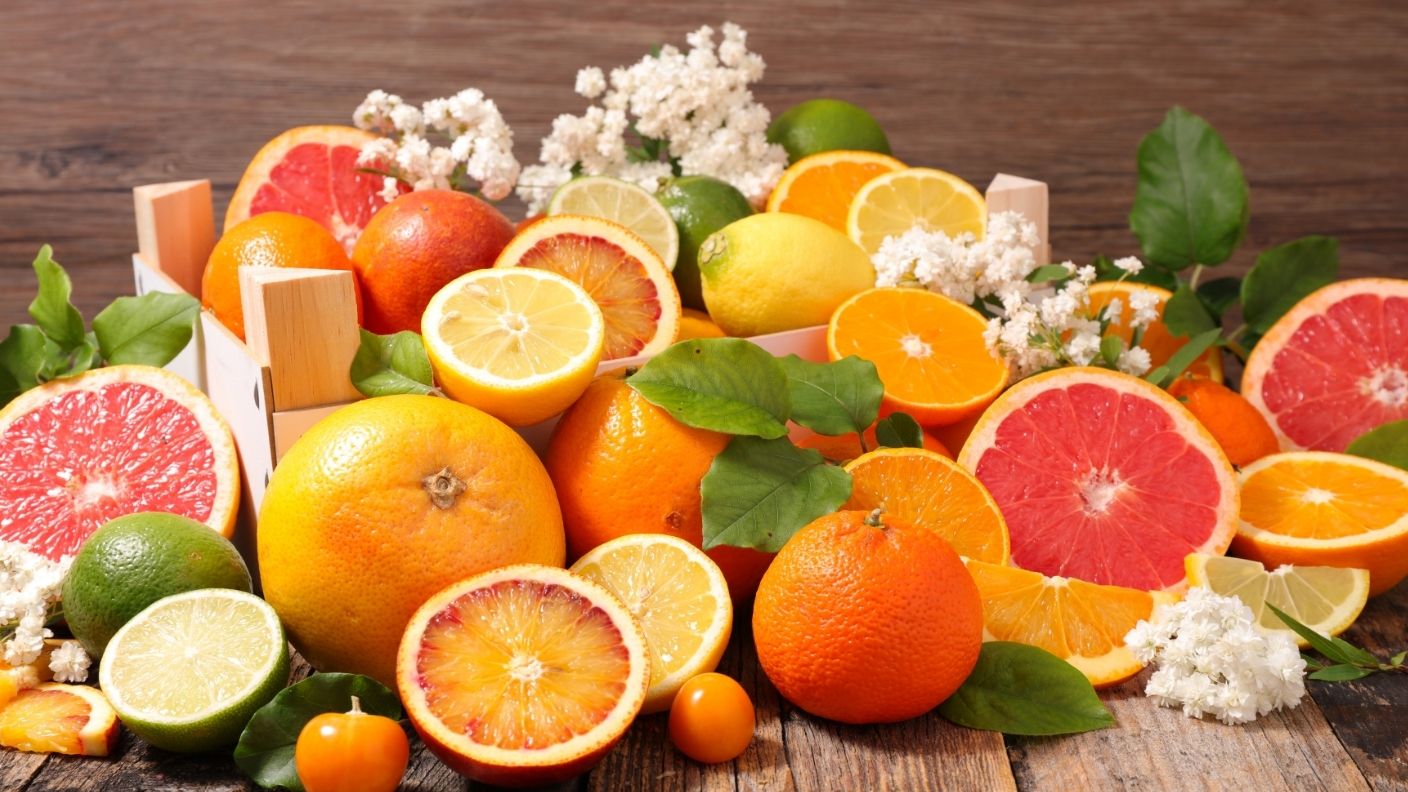
Oranges, grapefruit, and lemons deliver a concentrated dose of vitamin C, a nutrient essential for collagen production and protecting skin from oxidative damage. That collagen support matters directly for skin’s firmness and elasticity over time.
Eating the fruit whole, rather than just the juice, adds fiber alongside the vitamin C. A single orange covers a meaningful share of a day’s recommended intake on its own.
Cucumber
Cucumbers are made up of roughly 95 percent water, making them one of the more hydrating foods available by volume. That water content, paired with silica, a mineral tied to connective tissue health, gives cucumbers a reputation in skin-focused nutrition that goes beyond just their low calorie count.
Eating them with the peel intact keeps more of that silica content than a peeled cucumber would.
Broccoli
Broccoli combines vitamin C with sulforaphane, a compound studied for its antioxidant and anti-inflammatory properties. That combination gives it a stronger nutritional profile for skin support than many other vegetables offer individually.
Light steaming rather than boiling helps preserve more of the vitamin C, which is sensitive to heat and can leach out into cooking water.
Pumpkin Seeds
Pumpkin seeds are a solid source of zinc, a mineral directly tied to skin repair and inflammation control. Zinc deficiency has been associated with slower wound healing and more visible skin irritation, making adequate intake genuinely relevant to overall skin condition.
A small handful roasted and lightly salted makes an easy snack, or they can be scattered over salads and oatmeal for the same benefit.
Papaya
Papaya contains papain, an enzyme researchers have studied for its anti-inflammatory and antioxidant effects on skin, along with a meaningful dose of vitamin C. Some research has specifically found papaya extract supports skin barrier function and helps calm inflammation.
Eaten fresh, it has a naturally sweet, tropical flavor that works well on its own or blended into a smoothie.
Oysters
Oysters are among the richest natural sources of zinc available, delivering far more per serving than most other foods. That concentration makes them a particularly efficient way to support the same skin-repair processes zinc is tied to elsewhere on this list.
For anyone who doesn’t eat shellfish, red meat, poultry, and nuts offer smaller but still meaningful amounts of the same mineral.
Spinach
Spinach carries vitamins A, C, and E along with selenium, a combination that supports skin repair, protects against oxidative stress, and helps guard against UV-related damage. Few single vegetables pack that many skin-relevant nutrients into one place.
Lightly sautéed or blended into a smoothie, a cup of spinach is an easy, low-effort addition to almost any meal.
RELATED ARTICLE: Why Are Pumpkin Seeds Green When Bought?
