


Why Your Homemade Bread Goes Stale So Quickly

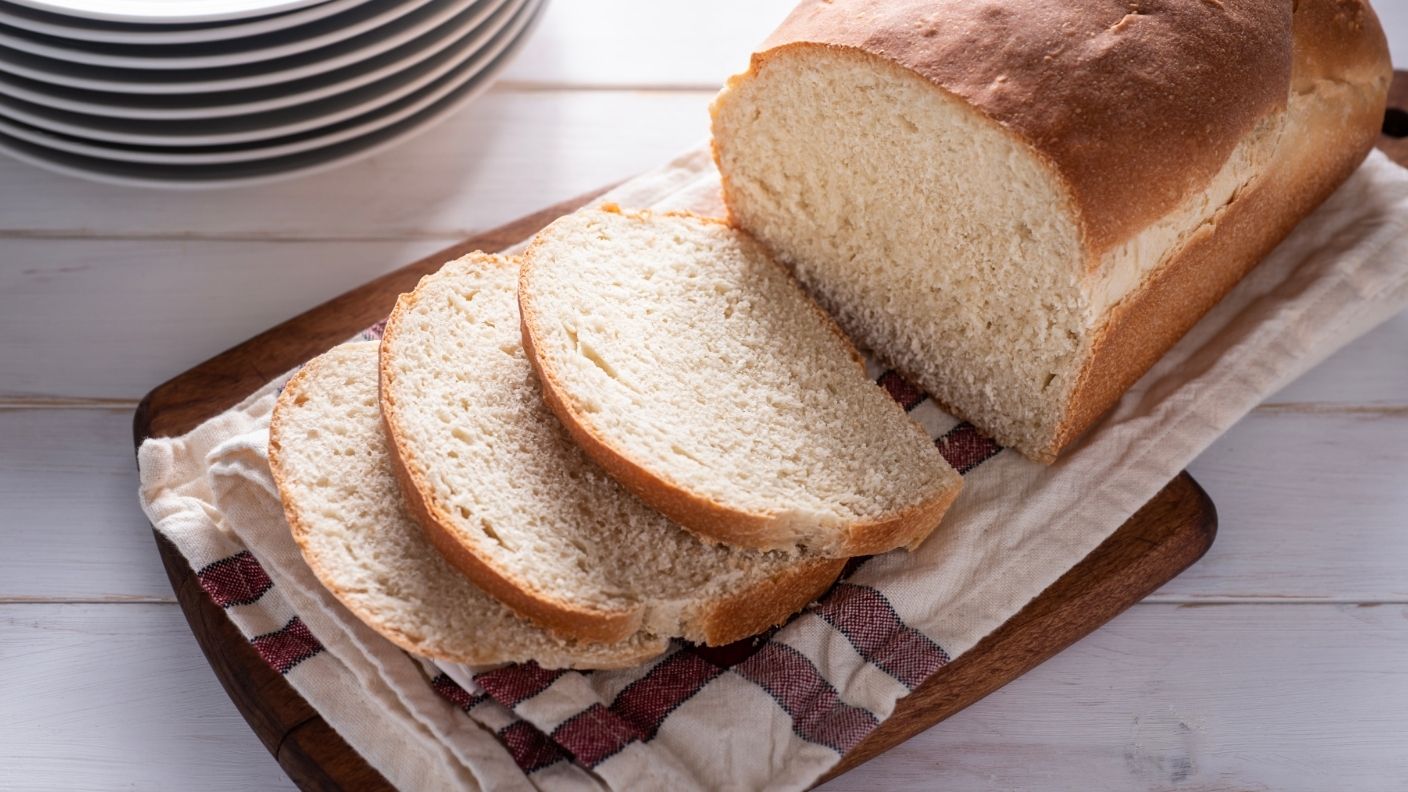

A fresh loaf that turns hard and disappointing within a day feels like a personal failure after all that kneading and waiting. Most of the time, it has nothing to do with the recipe and everything to do with basic food chemistry.
Staling Isn’t Actually About Drying Out
The obvious assumption is that stale bread has simply lost its moisture to the air. That’s not really what’s happening, and the actual mechanism explains a lot about why homemade loaves fade so fast.
Stale bread often still contains close to the same amount of water it started with. The problem isn’t that the water disappeared, it’s that the water ended up in the wrong place.
The Starch Itself Is Reorganizing Into Crystals
During baking, starch molecules absorb water and swell in a process called gelatinization, which is what gives fresh bread its soft, springy crumb. As the loaf cools afterward, those same molecules slowly start reorganizing back into a tighter, more crystalline structure, a process called retrogradation.
That recrystallization is the actual mechanism behind staling. As the crystals form, they squeeze water out of the structure they’d been holding onto, leaving the crumb feeling dry and firm even though the total moisture barely changed.
Water Isn’t Disappearing, It’s Just Moving
As retrogradation pushes water out of the crumb, that moisture doesn’t just vanish, it migrates toward the crust and eventually escapes into the surrounding air. That’s why stale bread often develops a leathery, chewy crust instead of the crisp one it had fresh out of the oven.
Wrapping bread tightly doesn’t stop this internal process, since it’s a structural change happening inside the loaf, not just evaporation from the surface.
Homemade Loaves Skip the Ingredients That Slow This Down
Commercial bread often stays soft for weeks thanks to added fats, sugar, dairy, or preservatives, all of which interfere with how tightly starch molecules can recrystallize. Sugar helps hold onto moisture, while fat and dairy physically get in the way of the starch chains reorganizing.
Simple homemade bread, built from just flour, water, yeast, and salt, has none of that interference working in its favor. That lean ingredient list is part of what makes it taste better, but it’s also exactly why it stales so much faster.
The Fridge Is Making It Worse, Not Better
Refrigeration feels like the obvious way to keep food fresher for longer, but it’s actually the worst place to store bread. Starch retrogradation happens fastest at temperatures just above freezing, roughly the same range as a standard refrigerator.
Some estimates suggest refrigerated bread can go stale several times faster than a loaf left at room temperature. The fridge slows mold growth, but it accelerates the exact process responsible for making bread taste old.
The Freezer Actually Pauses the Clock
Freezing works completely differently from refrigeration, since temperatures that low essentially halt starch retrogradation rather than accelerating it. A well-wrapped loaf can sit in the freezer for weeks with barely any noticeable change in quality once thawed and reheated.
That makes the freezer, not the fridge, the right answer for bread that won’t get eaten within a couple of days.
A Few Minutes of Heat Can Buy Back Some Freshness
Reheating stale bread in an oven or toaster can temporarily reverse some of the retrogradation that’s already happened. The heat pushes the starch molecules back toward their original gelatinized state, briefly restoring some of that fresh-baked softness.
That fix doesn’t last, since the bread starts staling again as soon as it cools back down. But it’s often enough to make a day-old loaf taste genuinely fresh again for one more meal.
RELATED ARTICLE: 4 Fixes for Too Much Butter in Bread Dough
