


How to Choose the Best Honey and Tell Which One Is High Quality

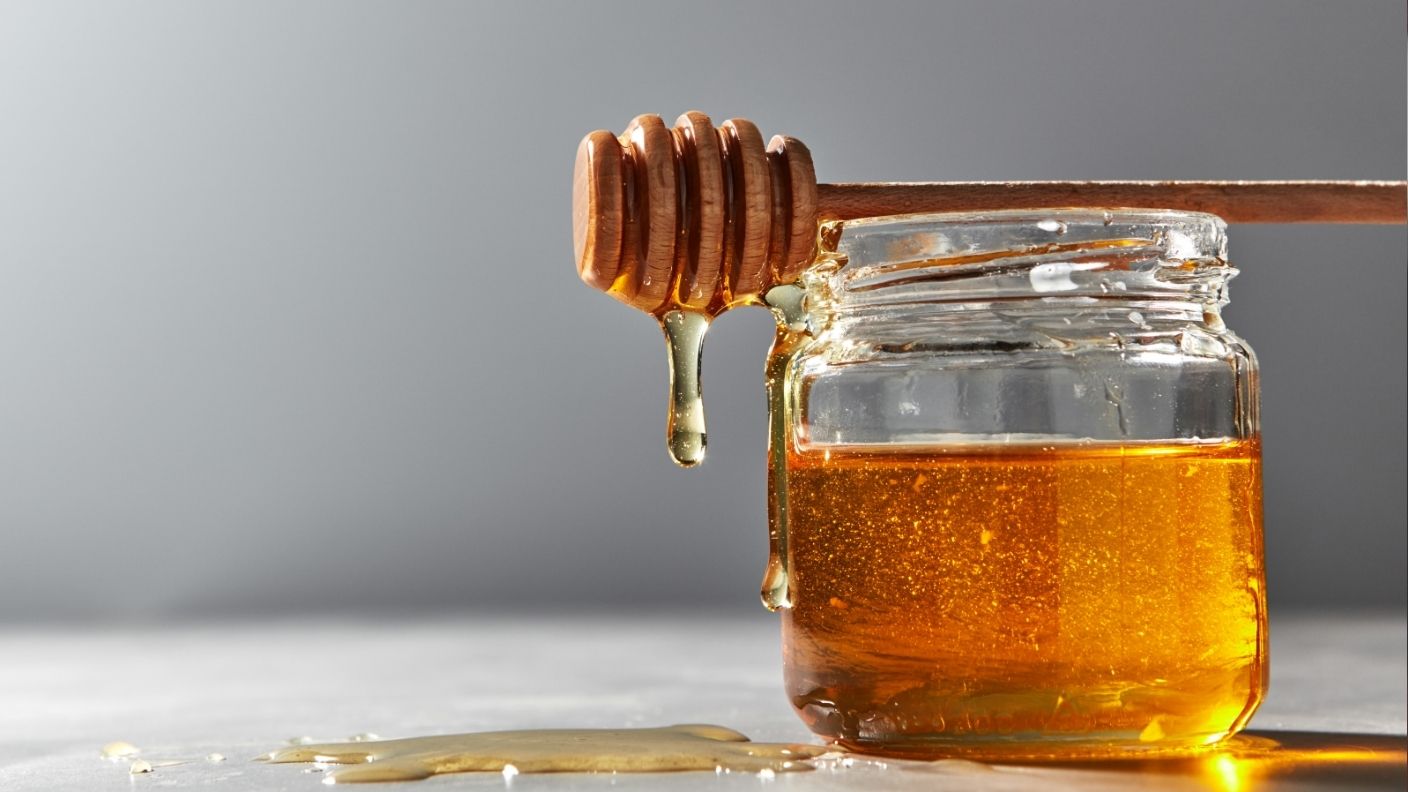

Honey is one of the most commonly faked foods sold in stores, often diluted with cheap syrups long before it ever reaches a shelf. A few reliable checks separate the real thing from a bottle mostly filled with something else.
Honey Fraud Is a Bigger Problem Than Most People Realize
Consumer advocacy groups have named honey one of the most frequently adulterated foods in the world, right alongside olive oil and milk. Manufacturers often dilute real honey with corn syrup, rice syrup, or cane sugar, or chemically alter cheap syrups to mimic honey’s natural sugar profile.
That fraud isn’t a fringe issue. Investigations have found a meaningful share of retail honey contains added syrups the label never actually discloses.
The Ingredient List Should Say Just One Thing
Pure honey needs exactly one ingredient on the label: honey. Anything else listed, corn syrup, rice syrup, or a vague “honey blend,” means the product isn’t the real, single-ingredient thing.
That single check takes only a few seconds and catches a surprising number of products marketed with misleading names or packaging that implies purity without actually claiming it.
Crystallization Is a Sign of Quality, Not a Flaw
Real, raw honey naturally crystallizes over time as its glucose content settles out of solution, especially in a cool spot. That’s backwards from what most people assume, since a lot of shoppers see crystallized honey and think it’s gone bad.
Honey that stays perfectly clear and syrupy for months, never crystallizing at all, is actually the more suspicious jar. Heavily processed or adulterated honey is often flash-heated specifically to prevent that natural crystallization from happening.
Not Every Viral Test Actually Works
Several popular honey tests circulating online don’t hold up well. The flame test, lighting a honey-dipped matchstick to see if it burns, actually depends on moisture content rather than purity, and sources disagree on whether it means anything at all. The old claim that ants avoid real honey is a myth too, since ants are drawn to sugar in any form, real or fake.
Relying on folk tests like these can create false confidence in either direction. They’re worth skipping entirely in favor of checks that hold up better under scrutiny.
A Traceable Source Beats Any Home Test
Honey that can be traced back to a specific beekeeper, region, or apiary is far less likely to be cut with syrup than something sold under a generic, anonymous label. Brands and local producers who openly share where their honey comes from generally have less room to hide adulteration.
That traceability matters more than any single kitchen test. A jar with a real, verifiable source behind it is a stronger guarantee than a water test performed at home.
Price Still Tells a Real Story
Genuine honey is labor-intensive and expensive to produce, and that cost generally shows up in the price. A jar priced dramatically below other honey on the same shelf is a reasonable signal that it’s been cut with something cheaper.
That doesn’t mean the priciest jar is automatically the best one. It just means an unusually low price, paired with vague labeling, is worth real skepticism.
The Water Test Gives a Rough, Imperfect Clue
A spoonful of real honey dropped into a glass of water tends to sink and hold together, rather than dissolving instantly. Honey diluted with added sugar or water tends to disperse much faster.
It’s worth treating this as one rough data point rather than definitive proof either way, since some legitimate honey can behave differently depending on its exact composition. Combined with the label check and crystallization pattern, it adds one more piece to a fuller picture.
RELATED ARTICLE: Easy Appetizers With Hot Honey
