


How to Choose the Best Tomatoes When They’re Out of Season

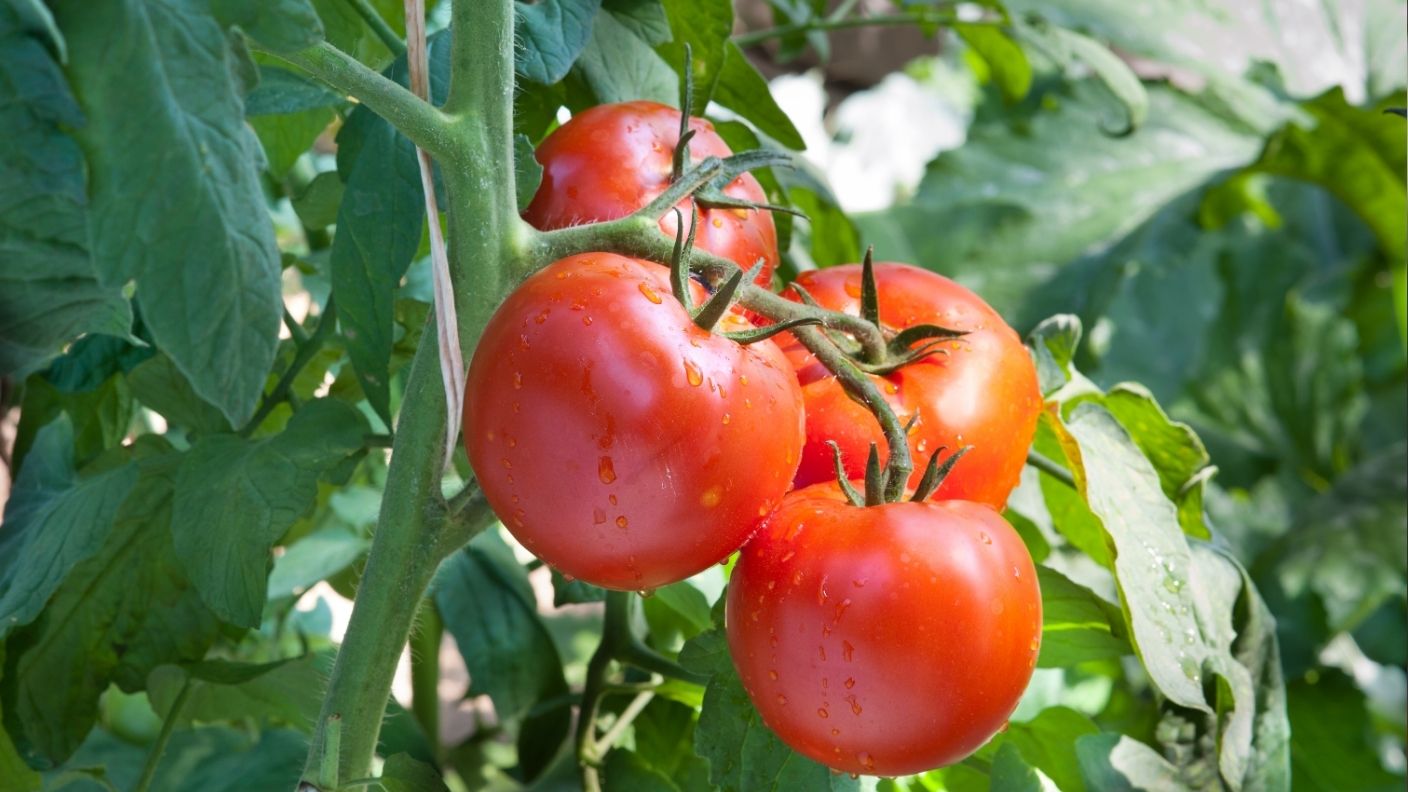

Winter tomatoes have a well-earned reputation for tasting like almost nothing. A few specific strategies can still land something genuinely worth eating, even outside of peak summer months.
Cherry and Grape Tomatoes Hold Up Better Off-Season
Smaller varieties like cherry and grape tomatoes tend to stay reliably sweet year-round in a way large slicing tomatoes rarely manage outside of summer. Their smaller size lets them ripen more evenly, even under the less ideal growing and shipping conditions common in colder months.
Reaching for these instead of a big beefsteak tomato is one of the simplest ways to avoid the mealy, watery disappointment that so often shows up in the off-season produce aisle.
Weight Is a Better Clue Than Color Alone
A tomato that feels notably heavy for its size usually carries more juice and flesh than one that feels light and hollow. That weight test works regardless of the variety or the time of year.
Color still matters, but it shouldn’t be the only thing checked. A tomato with even color but suspiciously little heft is often more foam than fruit once it’s actually cut open.
The Vine Itself Is a Useful Signal
Tomatoes still attached to the vine, rather than loose in a bin, are more likely to have been picked closer to actual ripeness. That small detail tends to translate into noticeably better flavor, even during months when tomatoes overall aren’t at their best.
A fresh, green stem is a good sign too, suggesting the tomato hasn’t been sitting around as long as one with a dried-out or missing stem.
Smell Before You Squeeze
A ripe tomato should smell faintly grassy and sweet right at the stem end, even through cooler months. That scent is one of the more reliable indicators available, since color and firmness can be manipulated by growing conditions in ways smell generally isn’t.
A tomato with no smell at all, regardless of how good it looks, is usually a sign of underlying blandness no amount of salt will fully fix.
Never Refrigerate Them
Cold temperatures break down the compounds responsible for a tomato’s flavor and texture, which is part of why refrigerated tomatoes so often taste flat and turn mealy. That effect is especially noticeable with already-mediocre off-season tomatoes, which have little flavor margin to spare.
Storing them at room temperature, ideally out of direct sunlight, protects what flavor they do have for as long as possible.
Canned Tomatoes Often Beat Fresh for Cooking
For any dish where tomatoes are actually going to be cooked down, canned tomatoes are frequently the better choice during the off-season. They’re typically picked and processed at peak ripeness during their actual growing season, giving them a real flavor advantage over fresh tomatoes shipped in from far away in the middle of winter.
Reserving fresh tomatoes for dishes where they’re eaten raw, and reaching for a can when a recipe calls for simmering or roasting, sidesteps a lot of the disappointment that comes with forcing an out-of-season tomato to do a job it was never going to handle well.
RELATED ARTICLE: How to Make Campbell’s Tomato Soup Better? 12 Tips
