


How to Choose the Best Rice for Every Dish You Want to Make

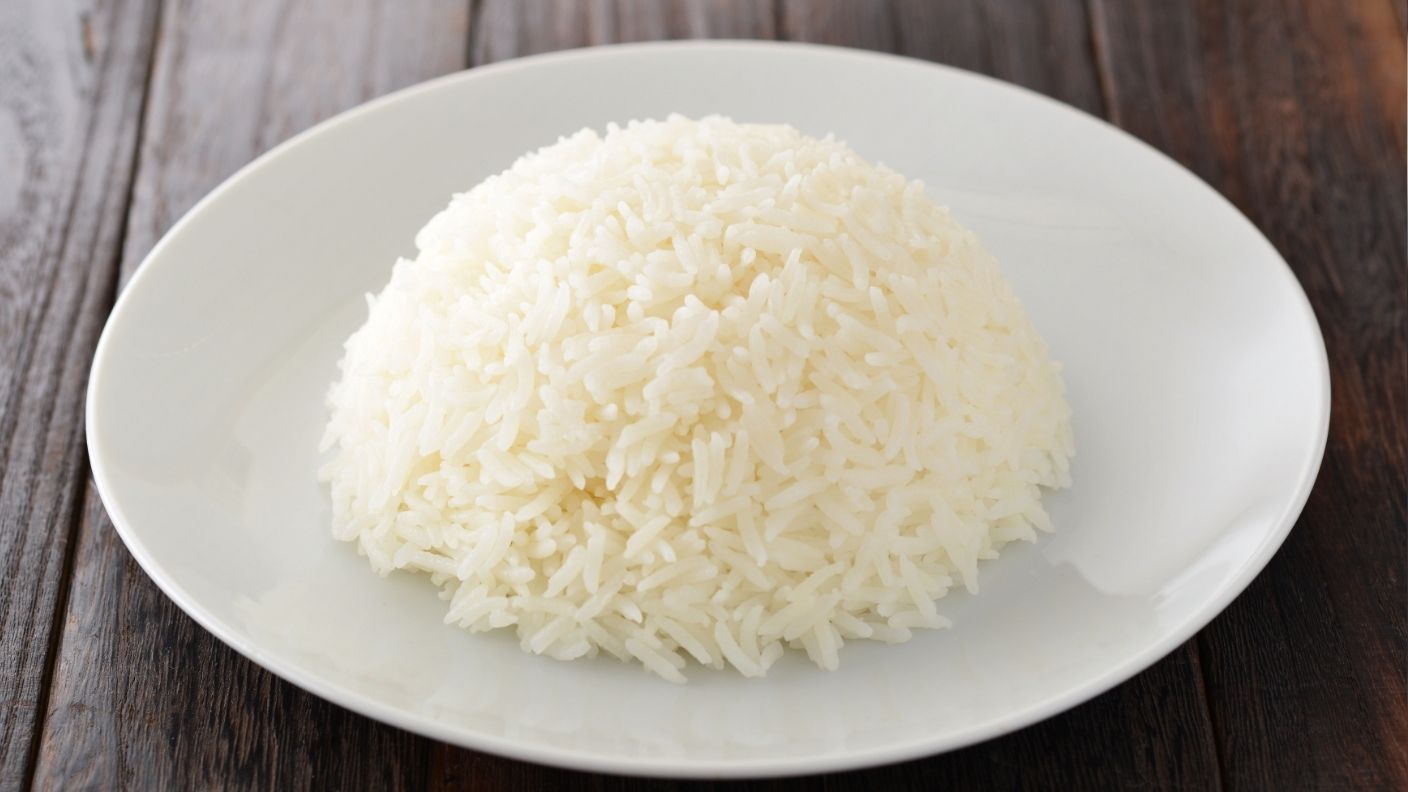

Grabbing whatever bag of rice is already in the pantry works fine most of the time, right up until a risotto turns out crunchy or a stir-fry ends up gluey. Matching the variety to the dish actually makes a real difference.
Grain Length Predicts Texture Before You Even Cook It
Rice is generally grouped into long, medium, and short grain, and that length is the biggest single predictor of how it’ll behave once cooked. Longer grains carry less starch and cook up light and separate, while shorter grains carry more starch and cook up sticky and clingy.
That single distinction explains most of what goes wrong when the wrong bag gets grabbed for the wrong dish. A rice built to stay fluffy will never turn creamy, no matter how it’s cooked.
Long-Grain Rice Stays Fluffy and Separate
Varieties like basmati and jasmine fall into the long-grain category, cooking up light with each grain staying distinct from the next. That separation makes them the right choice for pilafs, stir-fries, and simple side dishes where a sticky texture would actually work against the dish.
Rinsing the grains before cooking removes excess surface starch, helping them stay even more separate once they hit the pot.
Basmati Earns Its Place in Fragrant, Spiced Dishes
Basmati rice is often aged for months before it’s sold, a process that concentrates its distinctive nutty aroma and helps the grains stay firm and separate after cooking. That fragrance is part of why it pairs so naturally with Indian and Middle Eastern dishes built around bold spices.
Its dry, elongated grains hold up well even sitting under a heavily sauced curry, never turning mushy the way a starchier rice might under the same conditions.
Arborio Is Built to Turn Creamy, Not Fluffy
Arborio rice carries far more starch than long-grain varieties, and that starch is exactly what makes risotto turn creamy as it cooks. Stirring the rice while adding broth gradually releases that starch slowly, building the dish’s signature texture one ladleful at a time.
Using a long-grain rice for risotto skips this entirely, since there simply isn’t enough starch present to create that same creaminess no matter how it’s stirred.
Short-Grain Rice Is What Makes Sushi Actually Work
Sushi relies on a short-grain rice with enough natural stickiness to hold its shape once rolled or pressed. That clinginess isn’t a flaw here, it’s the entire point, letting the rice stay together around fillings without falling apart.
Rinsing sushi rice thoroughly before cooking, then seasoning it with rice vinegar afterward, is part of what gives it its distinct flavor and glossy texture.
Brown Rice Trades Some Fluffiness for Nutrition
Brown rice keeps its bran layer intact, giving it a chewier bite and nuttier flavor than white rice, along with more fiber. That same bran layer is also why it takes noticeably longer to cook, generally closer to 45 minutes than the 15 to 20 a white variety needs.
It works well in grain bowls and heartier sides where a firmer texture is actually welcome, rather than dishes depending on a light, fluffy result.
Rinsing Changes the Result More Than People Expect
Beyond variety, rinsing rice before cooking removes a meaningful amount of surface starch, which changes the final texture regardless of which type is being used. Skipping this step on a long-grain rice can leave it stickier than intended, while skipping it on sushi rice can actually leave it less cohesive than it needs to be.
Matching both the variety and the prep to the actual dish, rather than defaulting to whatever’s already open in the pantry, is usually what separates a good result from a slightly off one.
RELATED ARTICLE: Arborio Rice vs. Sushi Rice: Differences & Uses
