


How to Choose the Best Potatoes for Every Type of Recipe

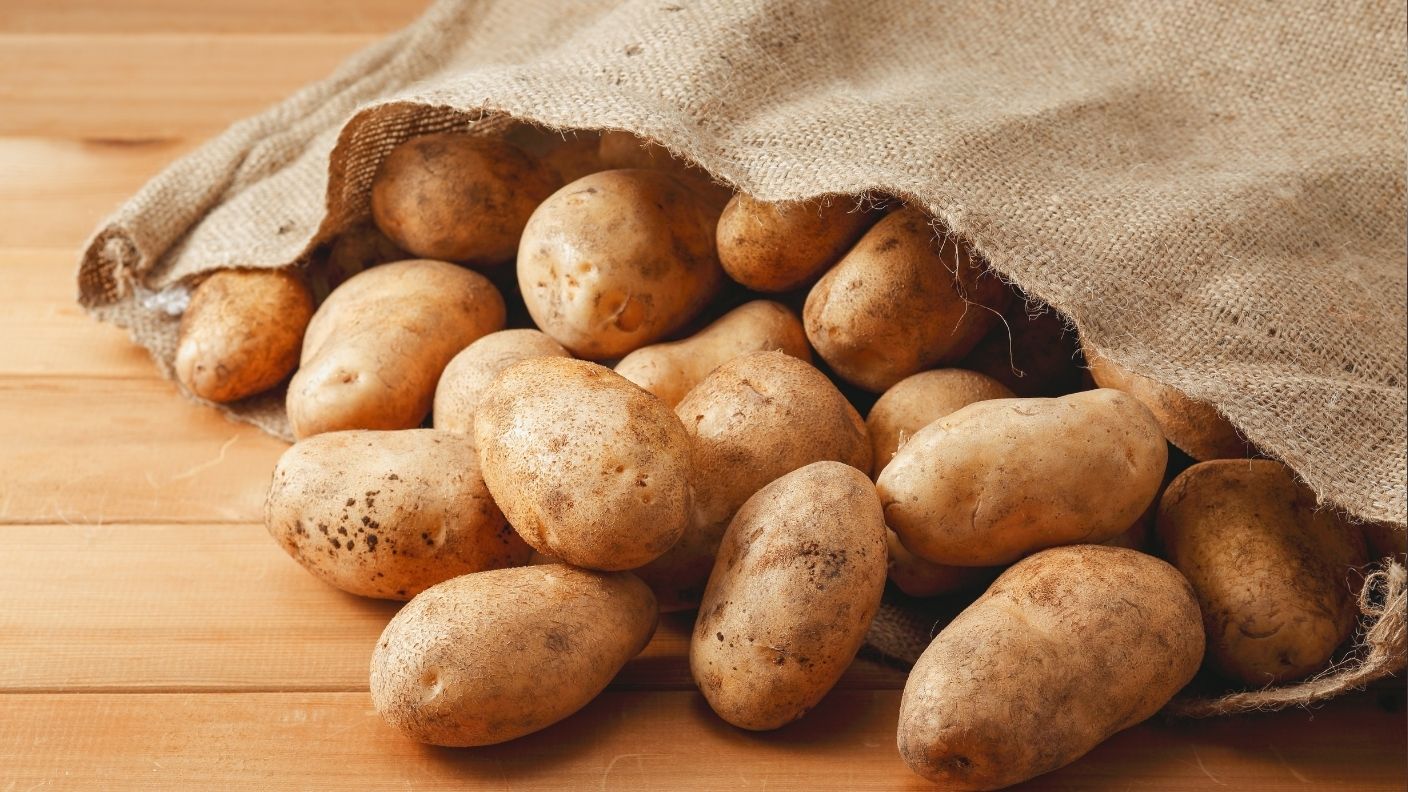

Grabbing whatever potato bag is closest at the store is how mushy potato salad and hollow fries happen. Matching the variety to the actual recipe makes a bigger difference than most people expect.
Starch Content Is the Only Thing That Really Matters
Nearly every potato falls into one of three categories: starchy, waxy, or somewhere in between. That starch level determines how a potato behaves once it hits heat, water, or oil.
Starchy potatoes break down easily and turn fluffy. Waxy potatoes stay firm and hold their shape. Everything else about choosing the right potato flows from that one distinction.
Russets Are Built for Baking and Frying
Russets are the most common starchy potato, with dry, absorbent flesh that turns light and fluffy once cooked. That same dryness is exactly what lets them crisp up so well on the outside.
That combination makes them the clear choice for baked potatoes, French fries, and classic mashed potatoes. For the crispiest fries, frying them twice, once at a lower temperature and once at a higher one, makes a real difference.
Red and Waxy Potatoes Hold Their Shape
Red potatoes, along with other thin-skinned, low-starch varieties, stay firm through boiling and simmering rather than falling apart. Their higher moisture content is what keeps individual pieces intact.
That firmness makes them the right pick for potato salad, soups, and stews, where distinct chunks actually matter. A russet used in the same dish tends to turn soft and crumbly by comparison.
Yukon Golds Split the Difference
Yukon Golds sit right between starchy and waxy, giving them a creamy, buttery texture that works across nearly any cooking method. They have enough starch to mash smoothly, but enough moisture to hold together when roasted or boiled.
That versatility makes them the single most practical potato to keep on hand if only one variety fits in the kitchen. They handle mashing, roasting, and gratins equally well.
Fingerlings Are Built for Roasting Whole
Small, waxy fingerling potatoes hold their shape reliably even after extended roasting, since there’s little starch inside to break down. Their thin skin also crisps up nicely without needing to be peeled first.
Left whole or simply halved, they roast into something with a crisp exterior and a firm, creamy center. That shape and texture make them an easy side dish with almost no prep required.
Soaking and Double-Frying Tricks Depend on the Right Potato Too
Even with the right variety chosen, a couple of small techniques change the final result. Soaking cut potatoes in water for about 30 minutes before roasting removes excess surface starch, helping them crisp more evenly in the oven.
For mashed potatoes, mixing gently rather than aggressively prevents the gumminess that comes from overworking starchy varieties. The right potato still needs the right handling to actually deliver on its texture.
RELATED ARTICLE: Crispy Oven-Baked Potato Cubes (Easy Recipe)
