


How to Choose the Best Chicken at the Grocery Store


The poultry aisle buries shoppers in labels promising quality, and most of it is genuinely hard to sort through. A few specific things actually matter, and a lot of the rest is just marketing noise.
Air-Chilled Beats Water-Chilled, and the Label Will Tell You
After processing, chicken has to be cooled quickly, and how that happens makes a real difference. Air-chilled birds are cooled with blasts of cold air, while water-chilled birds are dunked in cold water baths that can waterlog the meat.
That extra water dilutes flavor and makes the chicken harder to crisp when cooked. Air-chilled costs more, but shoppers are largely paying for meat that hasn’t been padded out with absorbed water weight.
Some Buzzwords Actually Mean Something
Organic is one of the labels worth trusting. It requires USDA-certified feed free of pesticides and synthetic additives, along with outdoor access that meets free-range standards.
That’s a real, enforced distinction, not just marketing language. It’s one of the few labels backed by an actual verification process rather than a company’s own claim.
Other Buzzwords Are Basically Meaningless
Terms like “natural,” “cage-free,” and “all vegetarian-fed” sound reassuring but don’t guarantee much of anything. Chef Andrew Zimmern has pointed out that these terms “mean basically nothing in the chicken world,” since they aren’t tied to any specific welfare or quality standard.
“No hormones added” falls into a similar trap. Hormones have been banned in poultry farming since the 1950s, so every chicken sold already qualifies, label or not.
Color and Texture Tell Their Own Story
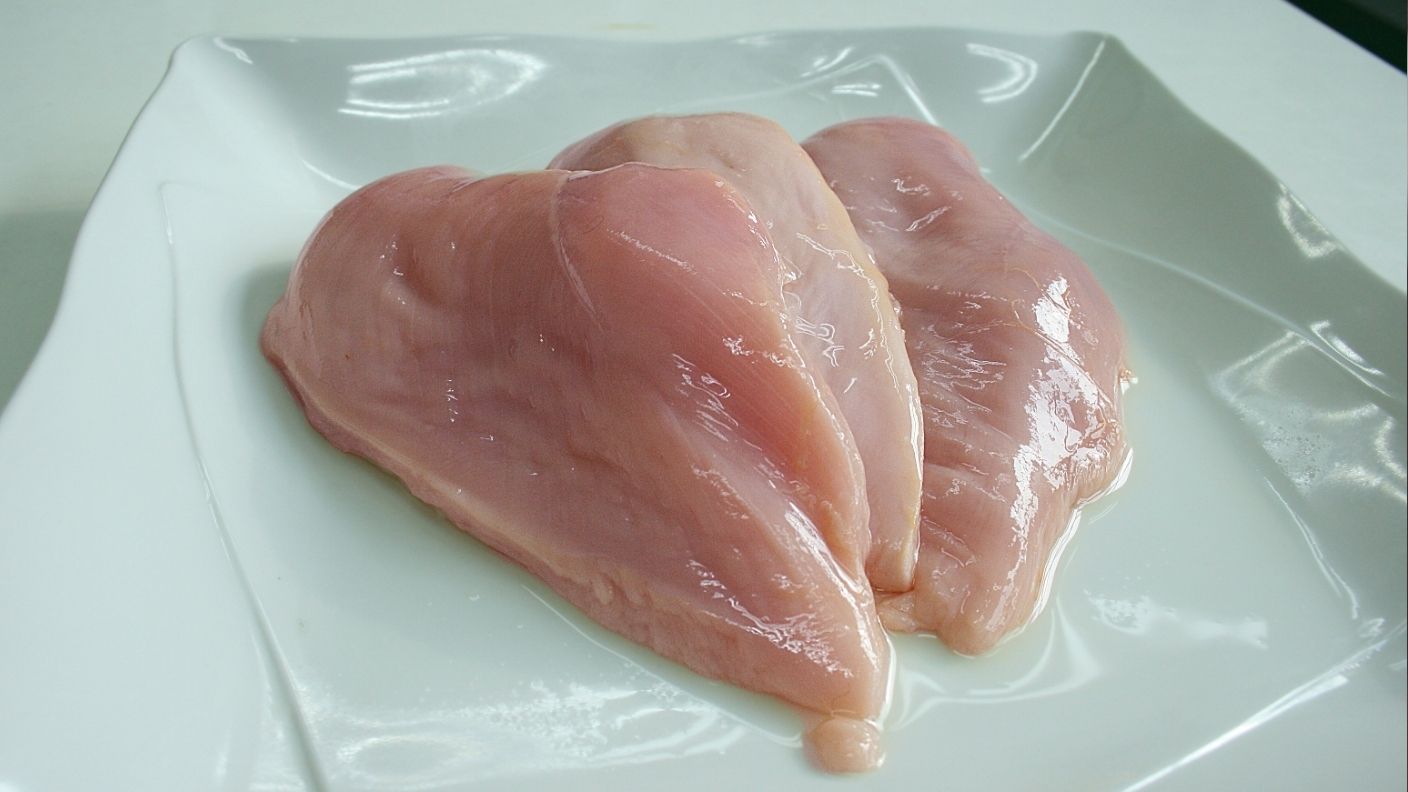
Good chicken should look consistently pink with white, not yellow, fat, and the skin should feel slightly tacky rather than slimy. A yellowish tint to the meat itself, rather than the fat, often points to a more varied, natural diet.
Grayish or spotted skin is a sign to skip that particular package. Texture matters just as much as color, since slime is one of the clearer signs freshness has already started slipping.
A Pool of Liquid in the Tray Is a Red Flag
A package sitting in a large pool of cloudy liquid usually means the chicken was water-chilled, plumped with a saline solution, or simply past its best days. Meat should look moist, not like it’s swimming in its own runoff.
A bloated or leaking package is worth skipping entirely, regardless of what the front label claims. That excess liquid is often just water weight being sold at the same price as actual meat.
The Date Matters as Much as Everything Else
Even a well-labeled, good-looking package isn’t worth much if the sell-by date is only a day or two out. Reaching toward the back of the shelf for a later date is a small habit that adds real usable time at home.
Packaging matters too, since a torn or poorly sealed wrapper speeds up spoilage regardless of how fresh the chicken was when it arrived. A tightly sealed package with a far-off date is worth more than a slightly cheaper one that’s already close to its limit.
RELATED ARTICLE: Delicious & Easy Protein Meals for Kids
