


The One Food Many Dietitians Keep in Their Freezer Year Round

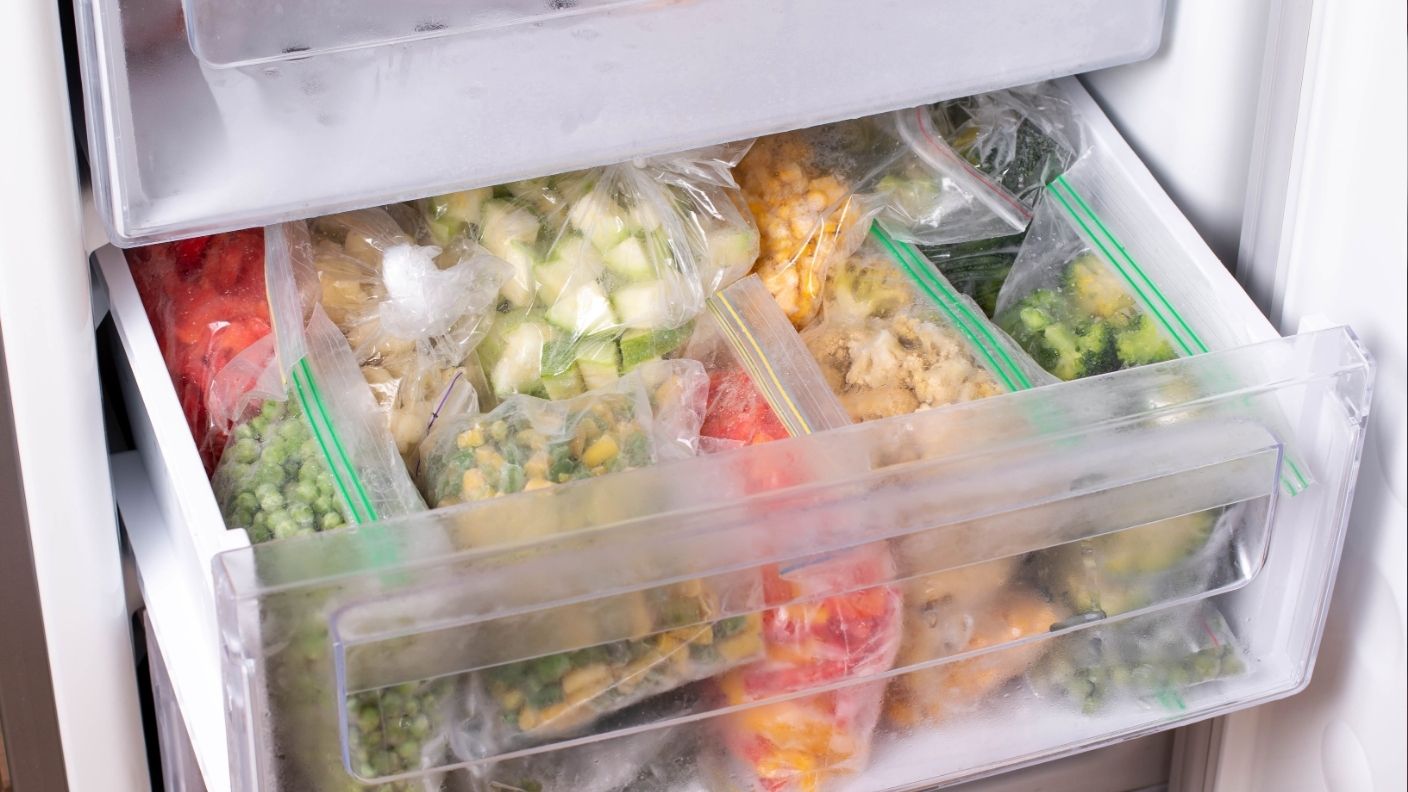

Ask several registered dietitians what’s always stocked in their own kitchens, and one answer keeps showing up more than almost any other. It’s not a trendy superfood or anything requiring a specialty store.
It Shows Up on Nearly Every Dietitian’s List
Frozen shelled edamame gets named again and again when dietitians talk about their own freezer staples. It’s the rare item that shows up on roundup after roundup, recommended by nutrition professionals working in completely different parts of the country.
That kind of consistency is unusual in nutrition advice, where opinions tend to vary widely. Edamame is one of the few items nearly everyone seems to agree on.
It’s a Rare Plant Food With Real Protein Numbers
A single cup of shelled edamame delivers about 18 grams of protein alongside 8 grams of fiber. For a plant-based food, those numbers are genuinely hard to match without reaching for a supplement or protein powder.
That combination makes it useful well beyond a typical side dish. It’s substantial enough to anchor a meal on its own, not just round one out.
It Goes From Freezer to Plate in Minutes
Shelled edamame cooks in well under five minutes, straight from frozen, with no thawing or advance planning required. A pot of boiling water or a quick microwave steam is really all it takes.
That speed matters on busy weeknights when a slower-cooking protein simply isn’t realistic. Few freezer staples move from bag to bowl this fast.
It Works in Almost Anything
Dietitians describe tossing it into stir-fries, folding it into salads, or blending it straight into guacamole for a protein boost most people would never notice. A sprinkle of sea salt turns it into a snack on its own, no other ingredients required.
That flexibility is part of why it earns a permanent spot in the freezer rather than an occasional one. It adapts to whatever’s already being cooked instead of demanding its own separate dish.
Freezing Doesn’t Cost It Any Nutrition
Like most frozen produce, edamame is processed and frozen shortly after harvest, which locks in nutrients close to their peak. The common assumption that fresh always beats frozen doesn’t really hold up here.
That timing actually works in edamame’s favor. A bag pulled from the freezer in January can carry nutrition comparable to what was harvested and frozen months earlier at its best.
It Solves a Problem Fresh Produce Can’t
Fresh soybeans aren’t something most grocery stores carry reliably throughout the year, which makes the frozen version the more practical option almost by default. Buying it frozen removes the seasonal guesswork entirely.
That reliability is exactly why it earns a permanent spot in so many dietitians’ freezers. It’s available in December just as easily as it is in July, with no real compromise either way.
RELATED ARTICLE: 8 Costco Foods Linked to Healthy Aging
