


A Super-Fast Pizza Dough You’ll Want to Make Again and Again

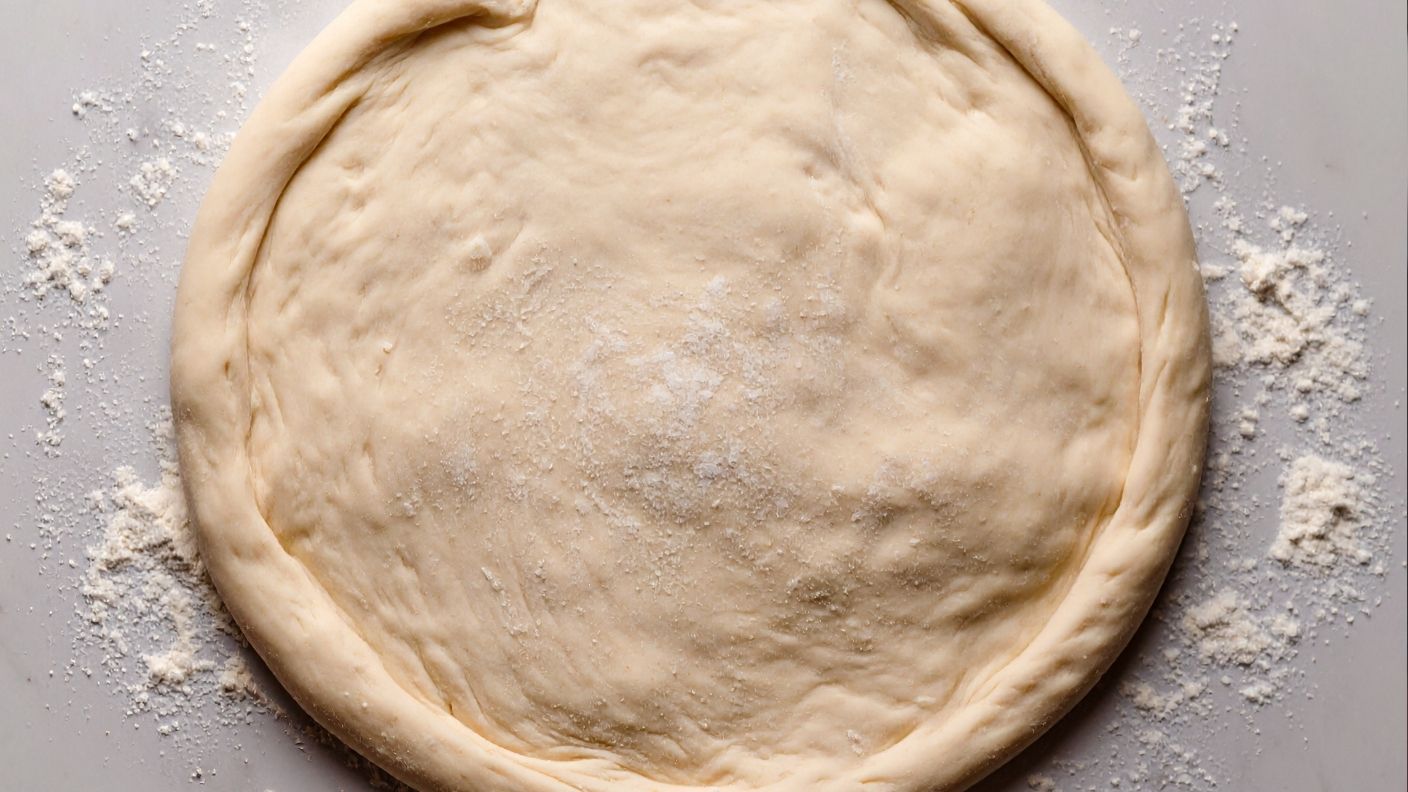

Homemade pizza dough has a reputation for demanding an entire day of planning before anyone gets to eat. This version skips almost all of that waiting without giving up the chewy, crisp result people actually want.
Why This Dough Skips the Long Wait
Traditional pizza dough often ferments for a full day or longer, building flavor slowly through a long, cold rise. This version trades some of that depth for speed, using warmer water and a bit more yeast to get the same basic job done in under an hour.
The tradeoff is a fair one for a weeknight. Nobody deciding on pizza at six o’clock wants to hear that dinner is ready tomorrow.
Warm Water Does More Work Than People Think
Water between 100 and 110 degrees wakes up yeast almost immediately, compared to the sluggish activity it shows in cold or lukewarm water. That single adjustment accounts for a big chunk of the time saved.
Water any hotter than that risks killing the yeast outright, which defeats the whole point. A kitchen thermometer takes the guesswork out of finding that window.
A Pinch of Sugar Speeds Everything Up
A small amount of sugar mixed in with the yeast gives it something immediate to feed on, rather than waiting for it to slowly break down starches in the flour. That head start shows up quickly as visible foaming and bubbling.
It’s a small addition, but it noticeably shortens the time before the dough is ready to knead. Skipping it isn’t a disaster, it just means waiting a little longer for the same result.
The Short Rest Still Matters
Even a fast dough needs some rest before it’s workable, usually somewhere between fifteen and thirty minutes. That time lets the gluten relax enough for the dough to stretch without springing back on itself.
Skipping this step entirely tends to backfire, leaving a tight, stubborn dough that fights every attempt to shape it. A short rest is still a rest, and it earns its place even in a fast recipe.
Kneading Briefly Builds Just Enough Structure
A few minutes of kneading is enough to develop the gluten this dough actually needs, without pushing toward the longer kneading times a slow-rise dough might use. The goal here is workable elasticity, not maximum chew.
Overworking it at this stage doesn’t speed anything up, it just makes the dough harder to stretch later. A light touch does the job faster than a heavy one.
High Heat Finishes the Job
Baking at 450 to 500 degrees compensates for some of what a longer ferment would normally add in flavor and texture. That intense heat crisps the edges fast while keeping the center soft and chewy.
A pizza stone or steel preheated well ahead of time makes a real difference here, transferring heat into the crust the moment the dough touches down. That contact is often what separates a decent quick crust from a genuinely good one.
RELATED ARTICLE: Piadina vs. Pizza: Differences & Uses
