


Europeans Tried America’s Most Famous Foods—Their Reactions Were All Over the Place


Viral videos of Europeans tasting American classics for the first time have turned into their own genre online. The reactions rarely land in the middle, and a few foods keep causing the biggest splits.
Root Beer
Root beer is the one drink that seems to divide tasters instantly. Many first-timers compare the flavor to medicine, toothpaste, or cough syrup rather than a soda.
That reaction traces back to the sassafras and wintergreen used to flavor it. Those notes read as nostalgic to Americans who grew up on it, but foreign to almost everyone else.
Several longtime European residents in the U.S. have admitted they never came around to it. One popular theory holds that root beer only works if it’s introduced in childhood.
Ranch Dressing
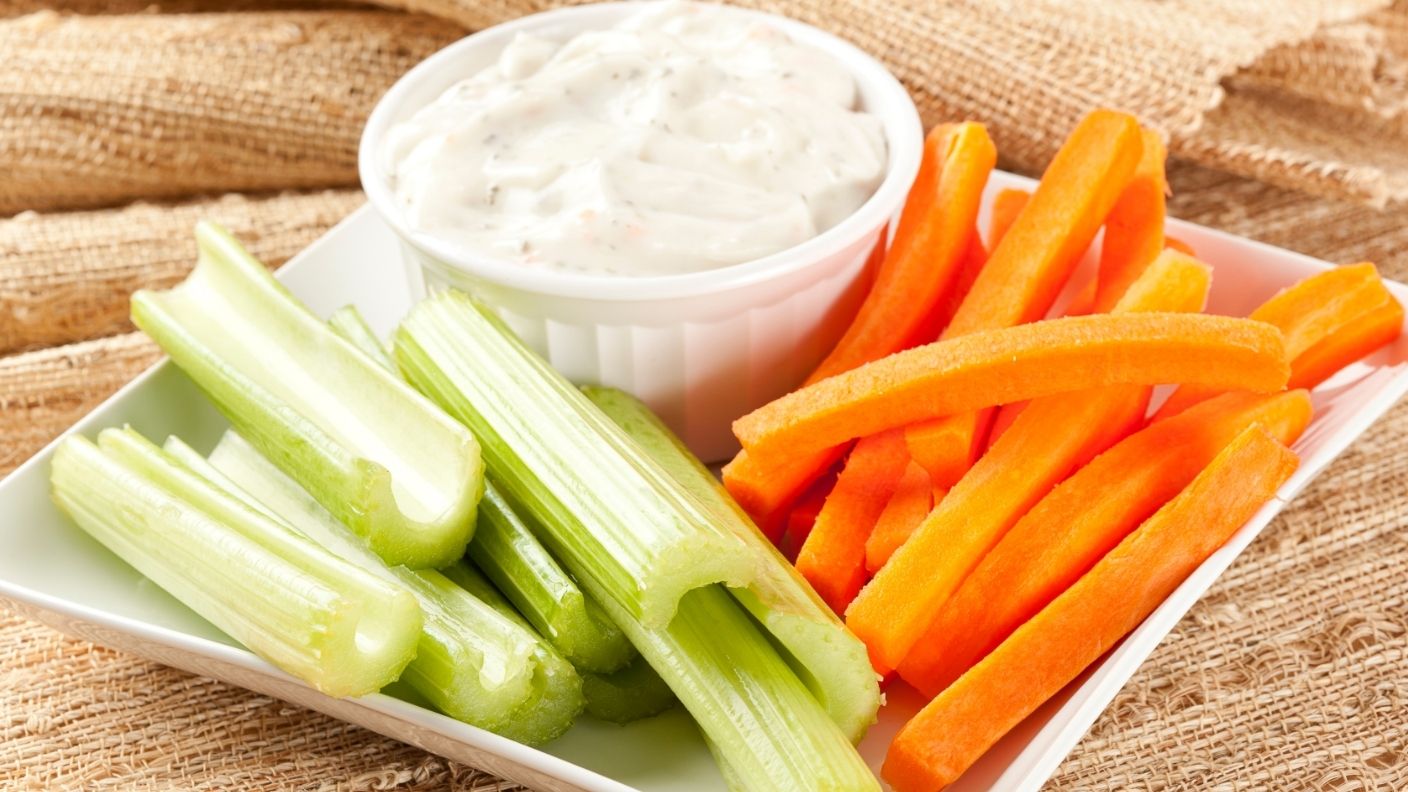
Reactions to ranch split hard depending on who’s tasting it. Some European visitors have gone viral for genuinely loving it, calling the flavor addictive on first bite.
Others find it overwhelming. European salad dressings tend to be thin and olive-oil based, so a thick, herby, tangy dressing can read as excessive rather than appealing.
Both reactions show up constantly online, often from people in the same friend group tasting it side by side.
Peanut Butter and Jelly
A PB&J sandwich barely registers as unusual in America. In much of Europe, peanut butter itself is a niche product, and pairing it with jelly confuses people further.
The texture gets called out as often as the flavor. Sticky, sweet, and starchy all at once isn’t a combination most European sandwich traditions include.
Some visitors do come around to it after multiple tries. Most describe their first bite as somewhere between confusing and unpleasant.
American Cheese
Individually wrapped cheese slices tend to get an immediate reaction: this isn’t real cheese. The smooth, uniform texture and mild flavor read as artificial next to Europe’s aged, crumbly varieties.
That reaction isn’t entirely wrong. American cheese is legally classified as a processed product, built specifically to melt evenly rather than to taste complex.
For Americans, that meltability is the whole point. For visitors used to cheese as a standalone dish, it can feel like a different food category entirely.
Deep-Fried Everything
State fair food tends to break people’s expectations fastest. Deep-fried butter, deep-fried Oreos, and deep-fried sugar cubes show up in reaction videos as genuine shock rather than mild surprise.
The confusion isn’t really about taste, it’s about the concept itself. Frying something that’s already a finished food, rather than a raw ingredient, doesn’t have an obvious equivalent in most European frying traditions.
Curiosity usually wins out anyway. Most visitors try at least a bite before reacting, even when they’re clearly bracing for it.
Sweet Potato Casserole
A dish built from sweet potatoes topped with melted marshmallows tends to stop European tasters mid-bite. Treating a root vegetable like a dessert base is the part that lands as strangest.
The dish actually started as a marketing effort from an early candy company trying to popularize marshmallows in cooking. It stuck around as a Thanksgiving staple regardless.
Reactions split between genuine enjoyment and visible confusion about why it exists as a side dish at all.
Biscuits and Gravy
A warm biscuit smothered in white, peppery sausage gravy doesn’t have an obvious European equivalent. The combination of bread and savory gravy for breakfast is the part that throws people off first.
Once people get past the visual, reactions tend to improve. The flavor itself, rich and peppery rather than sweet, usually reads as more approachable than it looks on the plate.
It remains one of the more polarizing American breakfasts purely because of how unfamiliar the format is, regardless of how it actually tastes.
RELATED ARTICLE: How Many Types of Fast Food Are There? List + Pictures
