


What’s the Difference Between Regular and Extra-Virgin Olive Oil?

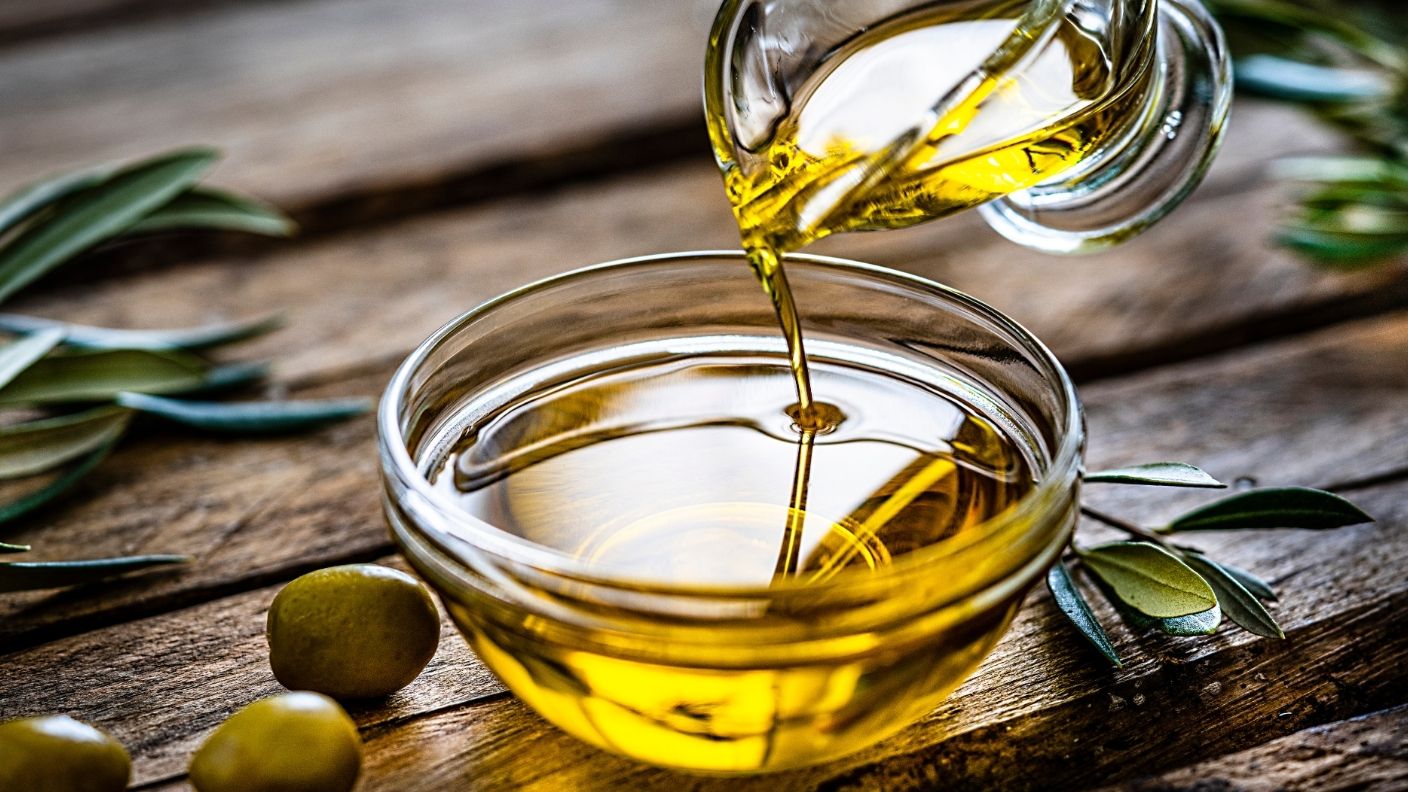

Standing in the oil aisle, it’s easy to assume the cheaper bottle and the pricier one labeled “extra-virgin” are basically the same thing with different marketing. They’re not, and the gap between them comes down to more than just a label.
Both Start With the Same Fruit
Every type of olive oil begins the same way, pressed or extracted from actual olives rather than seeds or grains like most other cooking oils. At the very start of the process, extra-virgin and regular olive oil aren’t really different products yet.
Where they diverge is what happens immediately after that first extraction. One path keeps the oil close to its natural state, while the other sends it through additional processing before it ever reaches a bottle.
Extraction Method Is Where They Split
Extra-virgin olive oil comes from the first cold pressing of olives, using only mechanical methods and no heat or chemical solvents at any point. Regular olive oil, sometimes labeled simply “olive oil” or “pure,” is typically a blend of refined oil mixed with a small amount of virgin oil added back in for flavor.
That refining step involves heat and chemical treatment to strip out defects, strong flavors, and impurities from lower-grade oil. It’s an efficient way to produce a more neutral product, but it comes at the cost of everything that made the original oil distinctive.
Acidity Sets the Official Grade
Extra-virgin status isn’t just a marketing term, it’s a specific classification tied to measurable acidity. To legally qualify, the oil has to fall under a strict free acidity threshold and pass a sensory panel that checks for defects and genuine olive flavor.
Regular olive oil has no such requirement, since the refining process resets much of what that acidity measurement would even reflect. That’s part of why one bottle can carry a real certification behind its label while the other is really just a processed blend.
Flavor Is the Easiest Way to Tell Them Apart
A good extra-virgin olive oil tastes noticeably like something, often grassy, peppery, or fruity, with a slight bitterness that lingers at the back of the throat. That character comes directly from the olives themselves and the gentle way the oil was extracted.
Regular olive oil, by comparison, tastes mild and largely neutral, closer to a generic cooking fat than anything with real personality. That blandness isn’t a flaw, exactly, it’s just the natural result of stripping out the compounds responsible for flavor in the first place.
The Smoke Point Difference Isn’t as Big as People Think
Regular olive oil does have a higher smoke point, generally landing somewhere between 390 and 470 degrees Fahrenheit compared to extra-virgin’s roughly 350 to 410 degree range. That gap has led to a popular myth that extra-virgin olive oil is too fragile for actual cooking.
In practice, extra-virgin olive oil’s natural antioxidants make it more stable at those lower temperatures than the number alone suggests. For most home cooking, sautéing and roasting included, extra-virgin holds up just fine and rarely gets pushed anywhere near its actual limit.
Nutrients Take the Biggest Hit From Refining
Extra-virgin olive oil carries a much higher concentration of polyphenols and antioxidants, compounds tied to many of the health benefits olive oil is known for in the first place. Those compounds come from the olives themselves and survive the cold-pressing process intact.
Refining strips a large share of those same compounds out along with the impurities it’s designed to remove. Regular olive oil isn’t unhealthy by any means, but it simply doesn’t carry the same nutritional density that made extra-virgin worth seeking out to begin with.
Which One Actually Belongs Where
Extra-virgin olive oil earns its keep in dressings, dips, drizzling over finished dishes, and most everyday sautéing where its flavor gets to actually contribute something. Its price tag makes more sense once it’s doing work that a neutral oil simply can’t replicate.
Regular olive oil is the more sensible choice for high-heat frying or any recipe where a strong olive flavor would clash with everything else going on. Neither one is objectively better, they’re just built to handle different jobs in the kitchen.
RELATED ARTICLE: Havarti vs. Muenster: Differences & Uses
