


Italians Explain How to Use Pesto Properly: Don’t Make This One Mistake

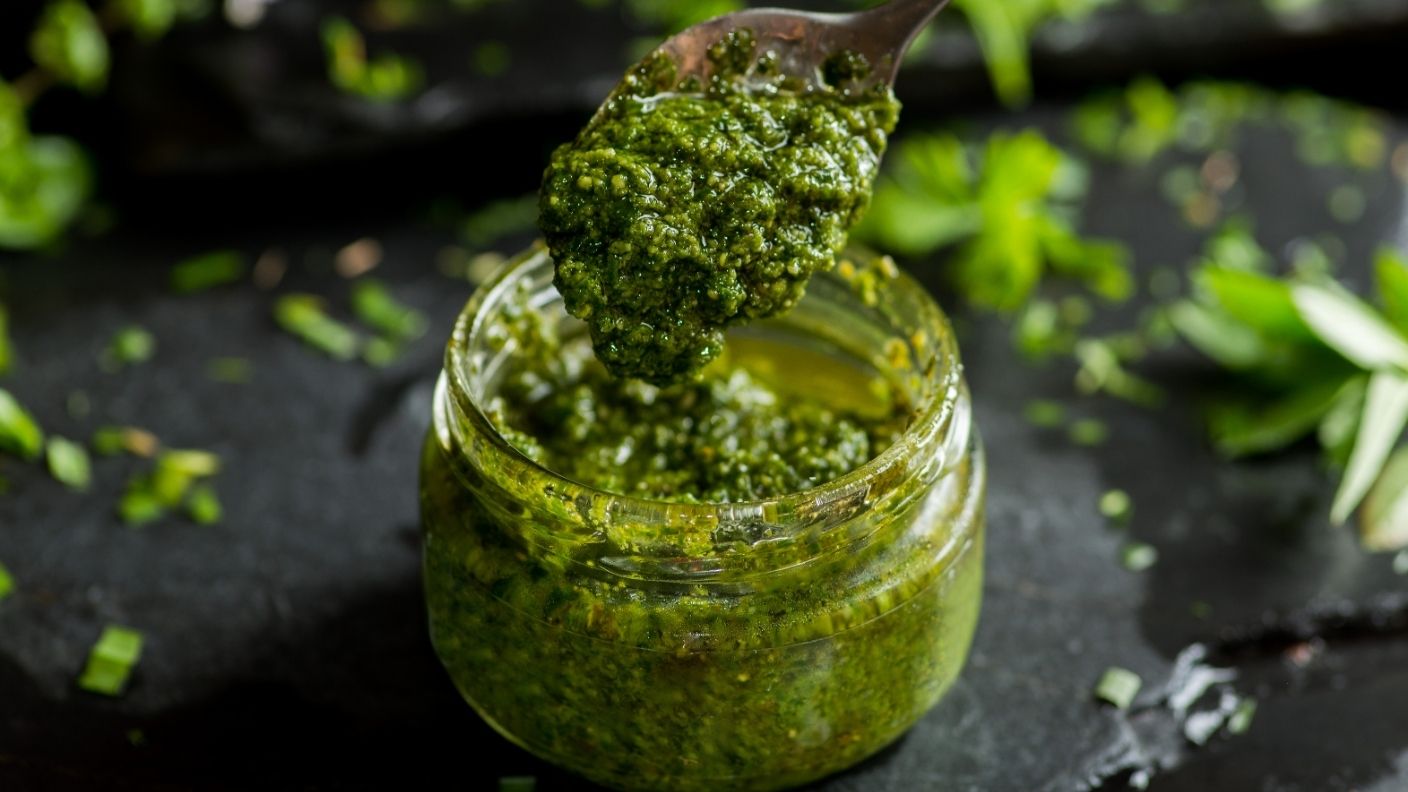

Pesto looks simple enough that most people assume there’s no real way to get it wrong beyond skimping on basil. Ask anyone who grew up making it the traditional way, though, and one mistake comes up again and again.
The Sauce That Isn’t Meant to See a Stove
The mistake is heating it, whether that means stirring it into a hot pan, simmering it with the pasta, or microwaving leftovers straight from the fridge. Pesto is built to be a raw, cold sauce, and cooking it goes directly against how it was ever meant to be used.
It’s an easy trap to fall into, since almost every other pasta sauce gets warmed through before serving. Pesto is the exception, not the rule, and treating it like a marinara or an alfredo is where things start to go wrong.
What Heat Actually Does to Basil
Basil is the ingredient that suffers the most once it hits real heat. It oxidizes quickly, turning from a bright, vivid green into a dull, army-colored shade that looks far less appetizing on the plate.
Beyond just color, heat also breaks down the essential oils responsible for basil’s fragrance and flavor. What starts as a fresh, herbaceous sauce turns muted and flat, losing exactly the qualities that made it worth making from scratch in the first place.
The Right Way to Warm It Up Without Cooking It
The traditional fix is simple: toss the pesto with pasta that’s already been cooked and drained, off the heat entirely, rather than adding it to a hot pan. The warmth from the pasta itself is enough to loosen the sauce without actually cooking it.
A splash of the starchy pasta water, stirred in along with the pesto, helps everything coat evenly and keeps the texture silky rather than clumped. It’s a small step, but it’s the difference between pesto that clings to every strand and pesto that separates into an oily mess.
Why the Oil Suffers Too
Basil isn’t the only casualty of heat. Extra-virgin olive oil, another core ingredient in traditional pesto, has its own delicate flavor compounds that break down once temperatures climb, leaving behind a flatter, greasier taste.
Combined with basil’s own sensitivity, that means a heated pesto is losing quality from two directions at once. Neither ingredient recovers its original character once it’s been cooked, no matter how briefly.
It’s Not Just About Temperature, It’s About the Technique
The word pesto actually comes from the Italian verb meaning to pound or crush, a reference to the mortar and pestle traditionally used to make it. That slow, low-friction process keeps the ingredients cool throughout, which matters more than it might seem.
A food processor can do the job faster, but the friction from the blades generates real heat as it runs, pushing the pesto toward the same oxidation and flavor loss that a hot stove would cause. Pulsing in short bursts, rather than running it continuously, helps keep that heat buildup to a minimum.
Store It Cold, Serve It Cold
Leftover pesto belongs in the refrigerator, not reheated the next day the way most pasta dishes get treated. A thin layer of olive oil poured over the top before sealing it helps keep air, and the oxidation that comes with it, away from the surface.
When it’s time to eat it again, the same rule applies: toss it with warm, freshly cooked pasta rather than heating the sauce itself. Treated that way, pesto tastes just as vivid on day three as it did the moment it was made.
RELATED ARTICLE: Why You Shouldn’t Cook With Fresh Tomatoes, According to Chefs
