

The Regional Desserts That Deserve National Fame


Every region of the country has a dessert locals consider sacred, even if almost nobody outside the state has ever heard of it. Some of these treats have been perfected in home kitchens for generations without ever making it onto a national menu.
A handful of them deserve a much bigger audience than they currently get. Here is where to start if the goal is expanding beyond the usual apple pie and cheesecake.
A Cake With Too Many Layers To Count
Smith Island Cake comes from a tiny island in Maryland’s Chesapeake Bay, where almost everything still arrives by boat. The cake itself is built from an unusually high number of thin yellow layers, each one barely thicker than a pancake.
Fudge frosting gets spread between every layer, and the whole thing became Maryland’s official dessert back in 2008. Two bakeries on the island still ship it around the country for anyone who cannot make the trip.
A St Louis Classic Built On A Happy Accident
Gooey Butter Cake started in St. Louis, allegedly after a baker mixed up the ratio of butter and flour and decided to bake it anyway. What came out of the oven turned into a local obsession instead of a mistake.
The texture lands somewhere between a coffee cake and a brownie, dense, almost brownie-like with a soft, gooey center that gives the dessert its name. It gets dusted with powdered sugar and works just as well for breakfast as it does for dessert.
A Flaky Pastry Wisconsin Takes Seriously
Wisconsin’s Kringle traces back to Danish immigrants who settled around Racine and brought their pastry traditions with them. The dough gets rolled and folded over multiple days, building dozens of thin, buttery layers before it ever sees the oven.
A finished Kringle comes filled with fruit, nuts, or sweet Danish fillings and topped with a light glaze on top. It became Wisconsin’s official state pastry, and bakeries there still make it the same slow way.
A No Bake Bar Iowa Grew Up On
Scotcharoos look like a cousin of the classic Rice Krispie treat, but the flavor takes a sharp turn toward butterscotch. A base of crisped rice gets held together with peanut butter and corn syrup instead of just marshmallow.
The top gets covered in melted chocolate and butterscotch chips, creating a bar that is equal parts crunchy and rich. Iowa and its neighboring states have claimed it as a bake sale staple for decades.
A Spiced Cookie With New Mexico Roots
Biscochitos are small, crumbly cookies flavored with anise and rolled in cinnamon sugar right after they come out of the oven. Spanish colonists are credited with bringing the recipe to New Mexico generations ago.
The cookie eventually became New Mexico’s official state cookie in 1989, a rare honor for something this simple. The anise flavor is unmistakable, giving it a warmer, spicier bite than a typical sugar cookie.
A Detroit Cake Named For Its Bumps
Bumpy Cake started at a Detroit bakery as a twist on a devil’s food buttercream cake, long before it earned its current nickname. Ridges of vanilla buttercream get piped down the length of the cake before the whole thing gets covered in chocolate frosting.
Those ridges are exactly what give it the name locals still use today. Slicing through the cake reveals stripes of chocolate and vanilla in every piece.
A Pudding Built Around Fall’s Favorite Fruit
Persimmon Pudding shows up across Indiana every fall, built around the soft, sweet pulp of ripe persimmons. The texture lands somewhere between a custard and a spice cake, dense and moist in every bite.
Local pudding contests still draw serious competition, with family recipes passed down for generations. It usually gets served warm, sometimes with a scoop of whipped cream or vanilla ice cream on top.
A Southern Classic Stacked In Layers
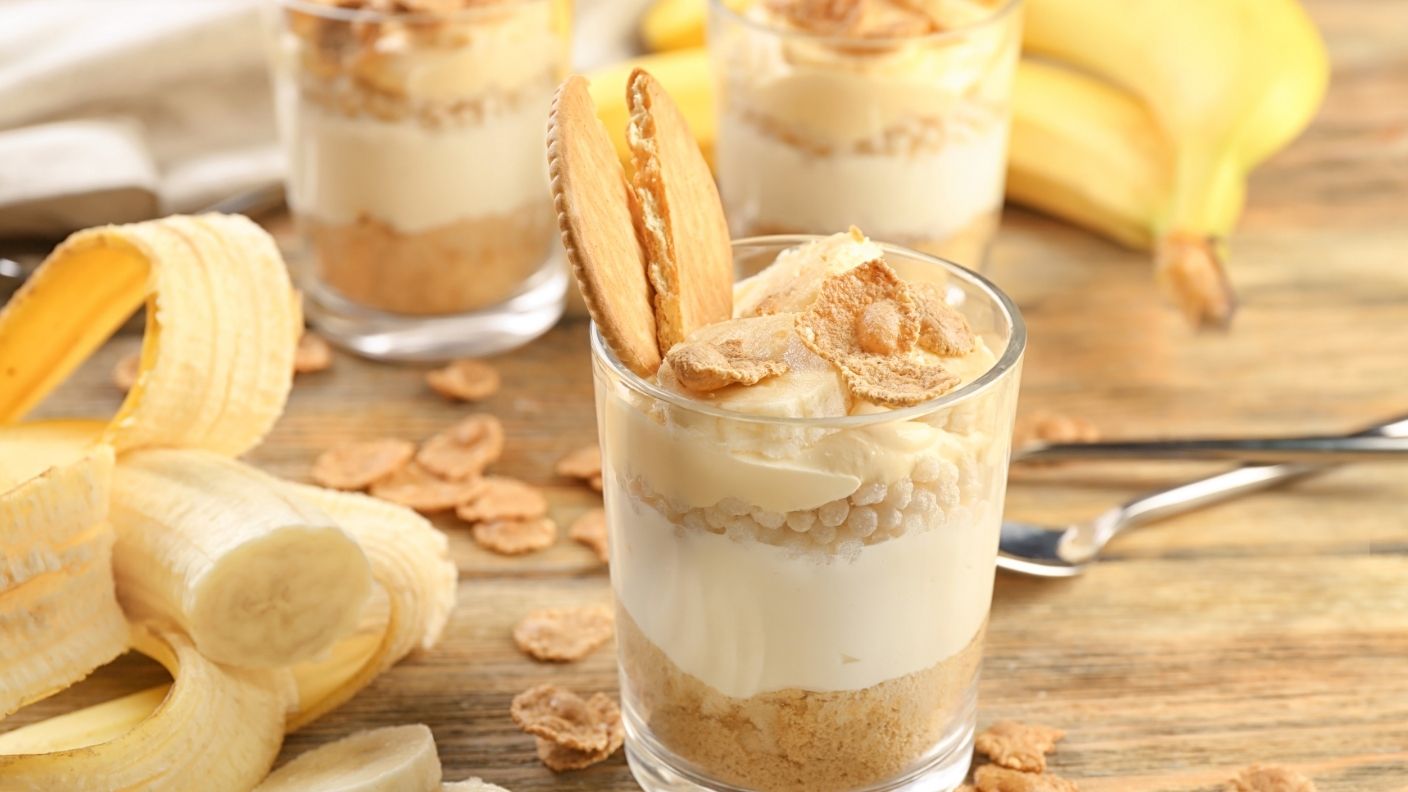
Banana Pudding has been a Southern staple since the 1800s, though the version most people know today is a fairly recent update. Sliced bananas get layered with vanilla custard and cookies, then left to soften into something closer to a trifle.
Home cooks eventually swapped the original ladyfingers for vanilla wafers instead, and that version became the one that spread nationwide. It somehow tastes even better the next day, once everything has had time to set.
None of these desserts need a fancy pastry chef or a long ingredient list to work. They just need a slightly bigger spotlight outside the regions that have been quietly enjoying them all along.
RELATED ARTICLE: The Dessert That Quietly Became a Symbol of Home for an Entire Generation
