


A Dish Made From Stale Bread That Is Part of Italy’s Traditional “Poor Cuisine”

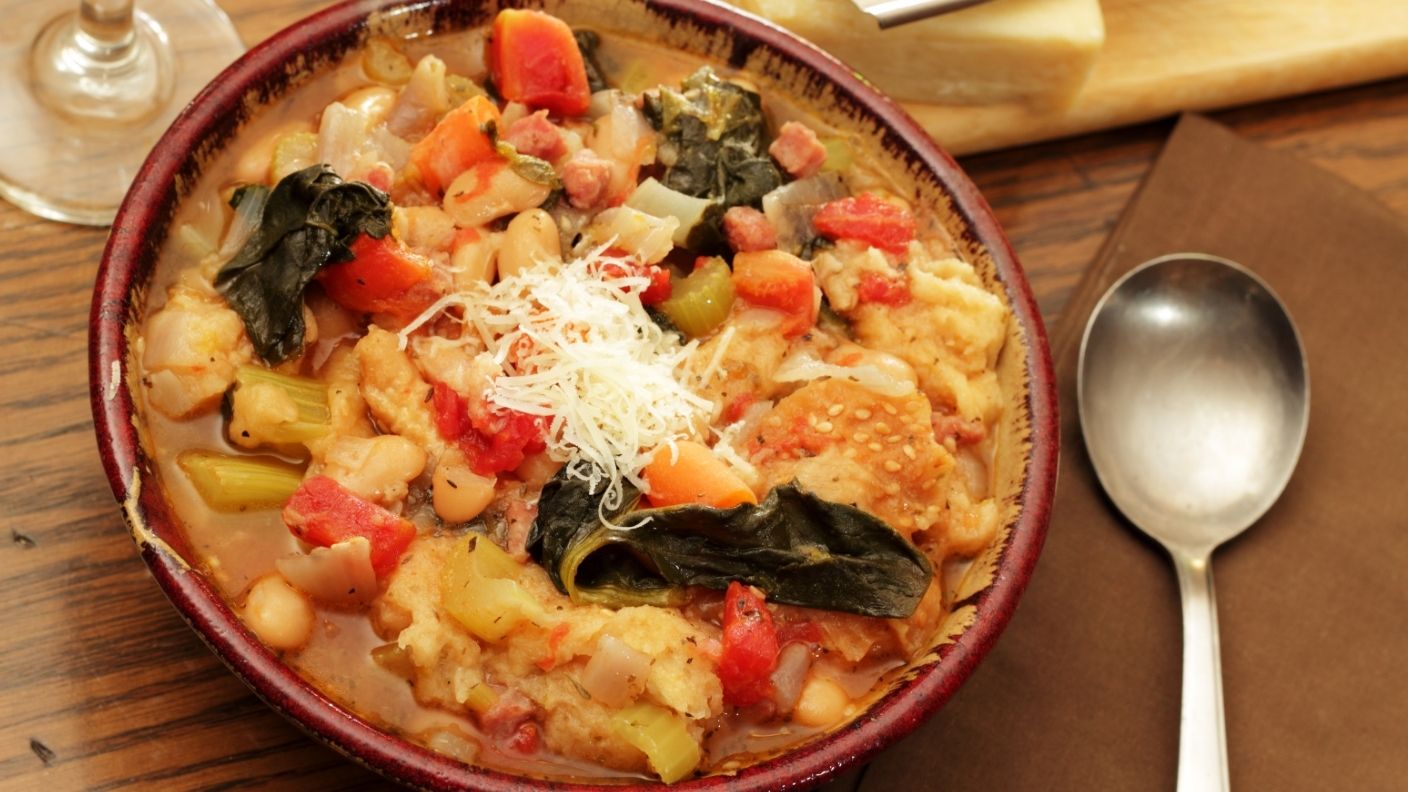

Italian cooking has a long tradition of turning almost nothing into something genuinely satisfying, and few dishes make that case better than a humble Tuscan soup built almost entirely around bread that’s gone stale.
It’s a perfect example of what Italians call cucina povera, or “poor cuisine,” a style of cooking born out of necessity rather than indulgence.
What Cucina Povera Actually Means
Cucina povera refers to a cooking philosophy that developed among Italy’s peasant population, built around frugality and the idea that nothing in the kitchen should go to waste.
Meat was expensive and hard to come by, so meals leaned heavily on cheap, filling staples like bread, beans, and whatever vegetables were in season or on hand.
This mindset shaped an entire category of dishes across the country, but Tuscany in particular became known for turning stale bread into something worth eating again. The most iconic result of that tradition is ribollita, a thick vegetable and bread soup that’s still a staple of home cooking in the region today.
The Soup Built From Yesterday’s Leftovers
The name itself gives away the dish’s origins. Ribollita literally means reboiled, a nod to the way it was traditionally made by reheating the previous day’s leftover vegetable soup, or minestrone, with stale bread stirred in to bulk it out.
One version of the story traces the dish back even further, to medieval households where wealthy nobles would pass along their leftover bread to servants, who then boiled it together with whatever vegetables they had available.
Whichever origin story is accurate, the underlying idea is the same: stretch a modest amount of food across several meals, and let nothing go to waste along the way.
What Actually Goes Into It
At its core, ribollita is built on cannellini beans, cavolo nero (a dark, slightly bitter variety of Tuscan kale), and inexpensive vegetables like carrots, celery, onion, and potatoes, all simmered together into a hearty base.
The bread used is traditionally pane toscano, a dense, notably unsalted loaf, a quirk that dates back centuries to when salt was heavily taxed in the region.
Stale chunks of that bread get torn up and stirred directly into the soup, where some pieces dissolve completely to thicken the broth while others hold their shape for texture.
The soup is often made a day ahead and reheated, which is really where the “reboiled” part of its name comes from, and most people who make it regularly will say it tastes even better on the second day.
Ingredients You’ll Need
- 1 cup dried cannellini beans (or 2 cans, drained and rinsed)
- 3 tablespoons olive oil, plus more for serving
- 1 onion, chopped
- 2 carrots, chopped
- 2 celery stalks, chopped
- 3 cloves garlic, minced
- 1 bunch cavolo nero (Tuscan kale), stemmed and roughly chopped
- 1/2 small head savoy cabbage, chopped
- 2 cups crushed tomatoes
- 6 cups vegetable stock
- 1 sprig fresh rosemary
- 6 to 8 slices stale crusty bread, torn into chunks
- Salt and black pepper, to taste
How to Make It
If starting with dried beans, soak them overnight, then simmer in fresh water until tender, about an hour, before draining.
Canned beans skip this step entirely and can go straight into the pot later, which is the easier route for a weeknight version.
Heat the olive oil in a large pot over medium heat, then add the onion, carrot, and celery.
Cook for about 8 to 10 minutes, stirring occasionally, until the vegetables have softened, then stir in the garlic and cook for another minute until fragrant.
Add the crushed tomatoes and let them cook down slightly for a few minutes, then stir in the cabbage and cavolo nero until they begin to wilt into the pot.
Add the beans, vegetable stock, and rosemary sprig, then bring everything to a simmer and let it cook for 30 to 40 minutes, until the vegetables are fully tender.
Remove the rosemary sprig, then stir the torn stale bread directly into the soup, pressing it down so it’s fully submerged.
Let the pot cool to room temperature, then refrigerate it, ideally overnight, so the bread has time to soften and partially dissolve into the broth.
When ready to serve, reheat the soup gently on the stove, essentially “reboiling” it, and thin it with a splash of water or stock if it’s thickened more than you’d like.
Season with salt and pepper, ladle into bowls, and finish each serving with a generous drizzle of good olive oil.
To Conclude…
Part of its staying power comes down to simple economics: it’s cheap, filling, and endlessly adaptable to whatever vegetables happen to be in the fridge. But a lot of it also comes down to flavor, since a soup built slowly from humble ingredients, bread included, tends to taste a lot richer than its origin story would suggest.
RELATED ARTICLE: The “Poor Man’s Soup” Nutrition Experts Actually Love
