


The Internet Can’t Stop Talking About Protein Desserts and Nutritionists Have Thoughts

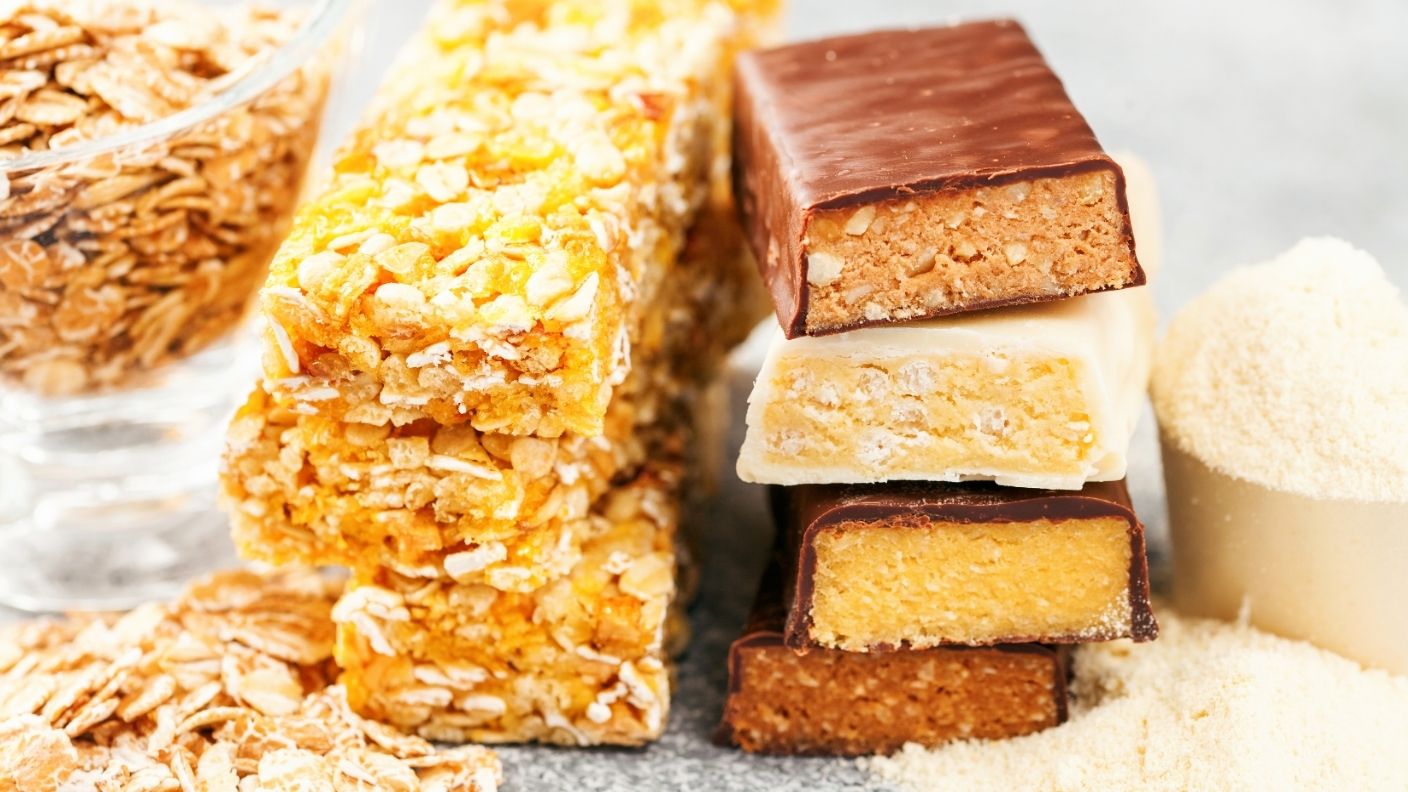

Dessert used to mean something completely separate from nutrition, a treat that existed outside the rules. Social media has flooded that space lately with high protein versions of ice cream, brownies and mug cakes, all promising the indulgence without the guilt.
Nutritionists have weighed in on the trend, and their take is a little more nuanced than the viral hype suggests. Keep reading to see what they actually think.
The Trend Reflects A Much Bigger Shift In What People Want
This trend did not appear out of nowhere, it reflects a much bigger shift in what people actually prioritize at the table. Roughly seventy percent of Americans said they were actively trying to eat more protein in a recent food and health survey, which helps explain why an ordinary dessert suddenly needing a protein angle makes sense.
That shift has reorganized grocery aisles around grams per serving and turned protein tracking into something closer to a mainstream habit than a niche gym concern. Dessert getting swept into that same conversation was probably inevitable.
Some Of These Desserts Genuinely Hold Up
Dietitians say part of the appeal is legitimate. Registered dietitian Aly Luftman has explained that people are genuinely aware of the role protein plays in building muscle and staying full, which is part of why these desserts have caught on so widely.
A cottage cheese based ice cream, for example, can deliver over twenty grams of protein in a single serving while staying under a few hundred calories. For anyone trying to satisfy a sweet craving without completely derailing their goals, that is a genuinely useful trade.
The Marketing Oversells Some Of It Though
Not every claim attached to these desserts holds up under scrutiny though. One food commentary piece has pushed back on the idea that adding protein automatically makes a dessert healthy, arguing that FoodTok treats healthy like a kind of magic spell rather than a genuine nutritional upgrade.
That critique points to a real pattern, swapping in cottage cheese or protein powder does not automatically cancel out the rest of a recipe. Sometimes the healthier version is genuinely better, and sometimes it is mostly the framing that changed.
The Mix Ins Can Quietly Undo The Benefit
The biggest risk to the trend’s actual nutrition often comes from what gets added on top. Nutrition reviewers have specifically flagged recipes that pile peanut butter, Nutella or cookie crumbles onto an otherwise reasonable base, quietly adding back the calories and sugar the base recipe was designed to avoid.
That pattern can turn a genuinely balanced dessert into something much closer to a regular treat wearing a protein label. Checking the full recipe, mix-ins included, matters just as much as trusting the headline claim.
So the protein dessert trend is not pure hype, but it is also not automatic magic just because the word protein shows up in the title. Sometimes the healthiest approach is simply reading the whole recipe before believing the whole promise.
RELATED ARTICLE: The Anti Aging Snack That Costs Less Than Most Protein Bars
