


Always Ordering Takeout Because Cooking Feels Overwhelming? This Simple Approach May Help

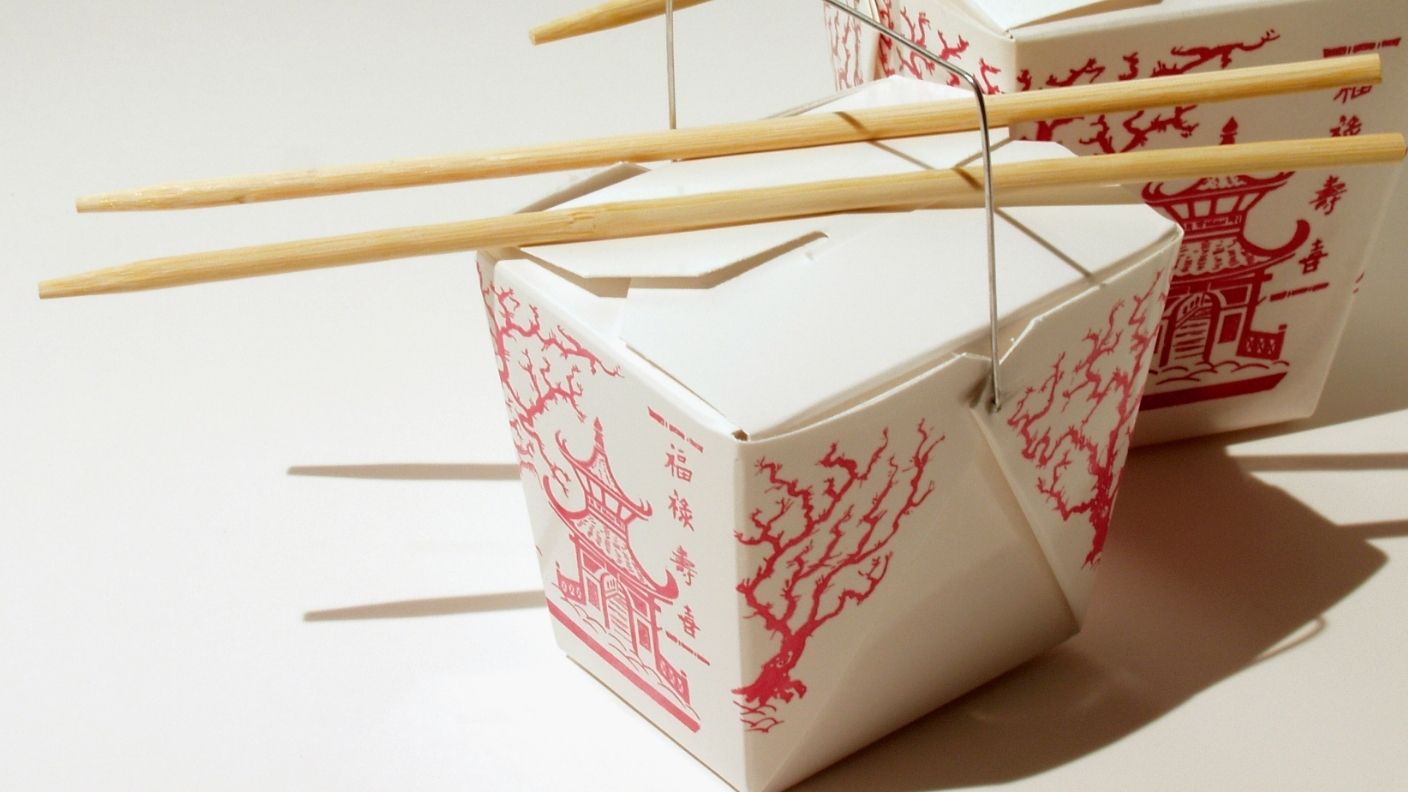

Staring into the fridge at the end of a long day, with nothing sounding good and no real plan in place, is a familiar moment for a lot of people. More often than not, that moment ends the same way, with a delivery app open instead of a pan on the stove.
There is an actual term for that specific feeling, and experts point to a surprisingly simple fix. Keep reading to see what it is.
There Is An Actual Term For This Feeling
That nightly overwhelm has an actual name, meal fatigue. Dietitians describe it as the exhaustion that builds when planning, shopping and cooking starts to feel like a constant chore rather than something enjoyable, driven largely by the sheer number of small decisions involved.
That mental load tends to peak right around dinner time, exactly when energy and willpower are already running lowest for the day. It is not a sign of laziness or poor planning, it is a predictable response to too many decisions stacked on top of an already tiring day.
The Fix Is Having Fewer Options, Not More
The most consistent advice for fixing this problem is almost counterintuitive, reducing the number of choices rather than adding more variety. Experts recommend keeping a running list of eight to twelve meals a household already enjoys and simply rotating through them instead of hunting for something new every night.
That advice lines up with a broader psychological idea called the paradox of choice, the finding that too many options tends to make people feel less satisfied rather than more. A smaller, familiar rotation removes that overwhelming sense of unlimited possibility every single evening.
It Works Because It Removes A Nightly Decision
The reason a small rotation works comes down to what it actually eliminates, the daily decision itself. Once a set list of meals exists, dinner stops being an open ended question and becomes more like picking from a short, already approved menu.
That shift matters because decision fatigue specifically wears down willpower, making the easiest option, usually takeout, feel more appealing by the time evening actually arrives. Removing the decision itself protects against that pull far more effectively than simply trying to muster more willpower each night.
Leave Room For Imperfect Nights Too
None of this needs to work perfectly to actually help. Keeping room in the plan for an occasional night out or a planned takeout meal keeps the whole system realistic rather than something to fail at.
Small, consistent wins, cooking most nights from a familiar rotation, tend to build more lasting momentum than an all or nothing approach ever does. The goal was never a perfect week, just fewer nights spent standing in front of an open fridge feeling stuck.
So if cooking has started to feel like one more decision too many, the fix might not be trying harder, it might be deciding less. Sometimes the easiest way out of takeout mode is simply narrowing down what dinner is even allowed to be.
RELATED ARTICLE: The Habit That Makes People More Likely to Cook at Home All Week
