


The Forgotten Soup Trick That Makes Homemade Broth Taste Restaurant Quality

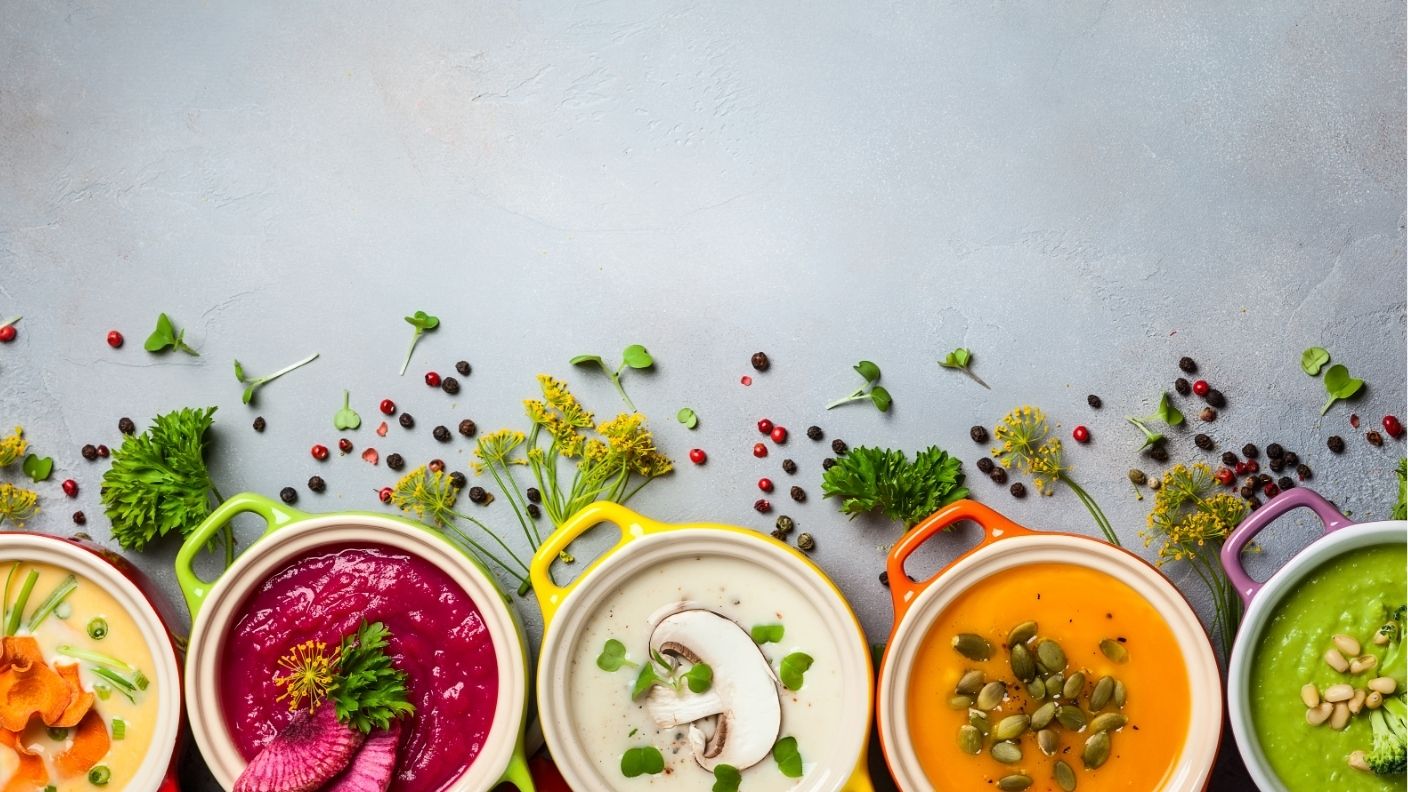

Making broth at home following all the usual steps, bones, vegetables, a long simmer, often still comes out thinner and a little flatter than what shows up in a restaurant bowl. The gap usually has nothing to do with the ingredients themselves.
Chefs consistently point to one specific step most home cooks skip entirely. Keep reading to see what it is and why it makes such a noticeable difference.
Most Home Broth Skips One Key Step
Most homemade broth starts the same way, raw bones and vegetables dropped straight into a pot of water. Chefs say the real trick is roasting the bones first, something that gets skipped far more often than it should given how much it changes the final flavor.
That one extra step, done before the simmering even begins, is often the single biggest difference between a broth that tastes flat and one that tastes genuinely rich. It takes an extra thirty minutes to an hour, but the payoff shows up in every bowl made from it afterward.
Roasting Triggers A Specific Chemical Reaction
The reason roasting matters so much comes down to basic food chemistry. Browning bones and vegetables in a hot oven triggers caramelization that simmering alone simply cannot replicate, adding deep, complex flavor that a purely boiled broth never develops.
That caramelized layer dissolves into the liquid once the simmering starts, carrying real depth into every spoonful. Skipping that step is why so many homemade broths end up tasting thin no matter how long they simmer on the stove.
Professional Kitchens Take It One Step Further
Some professional kitchens push the technique even further than simply roasting bones. Chef Michael Handal has recommended making what is called brown chicken stock, using cut off wings and the backbone specifically, roasted before ever touching water, rather than relying on a standard, milder stock.
That extra attention to which parts get roasted, and how thoroughly, is part of what separates a restaurant quality broth from an average homemade batch. Even store bought broth benefits from browning a few extra bones or vegetables and adding them into the pot.
A Small Addition At The End Rounds It Out
Beyond roasting, one small addition at the end can round out the flavor even further. Simmering an old parmesan rind alongside the roasted bones adds a savory, umami depth that is hard to replicate with any other single ingredient.
It is a small, nearly free addition for anyone who already saves cheese rinds instead of tossing them. Combined with roasting, that one extra ingredient can be the difference between a broth that tastes homemade and one that tastes like it came from a restaurant kitchen.
So the next time a batch of homemade broth falls a little flat, it might be worth roasting the bones before it ever touches water. Sometimes the biggest upgrade to a pot of soup happens before the simmering even starts.
RELATED ARTICLE: The Hidden War for Your Appetite Has Already Begun
