


Why You Always Buy More at the Supermarket Than You Planned

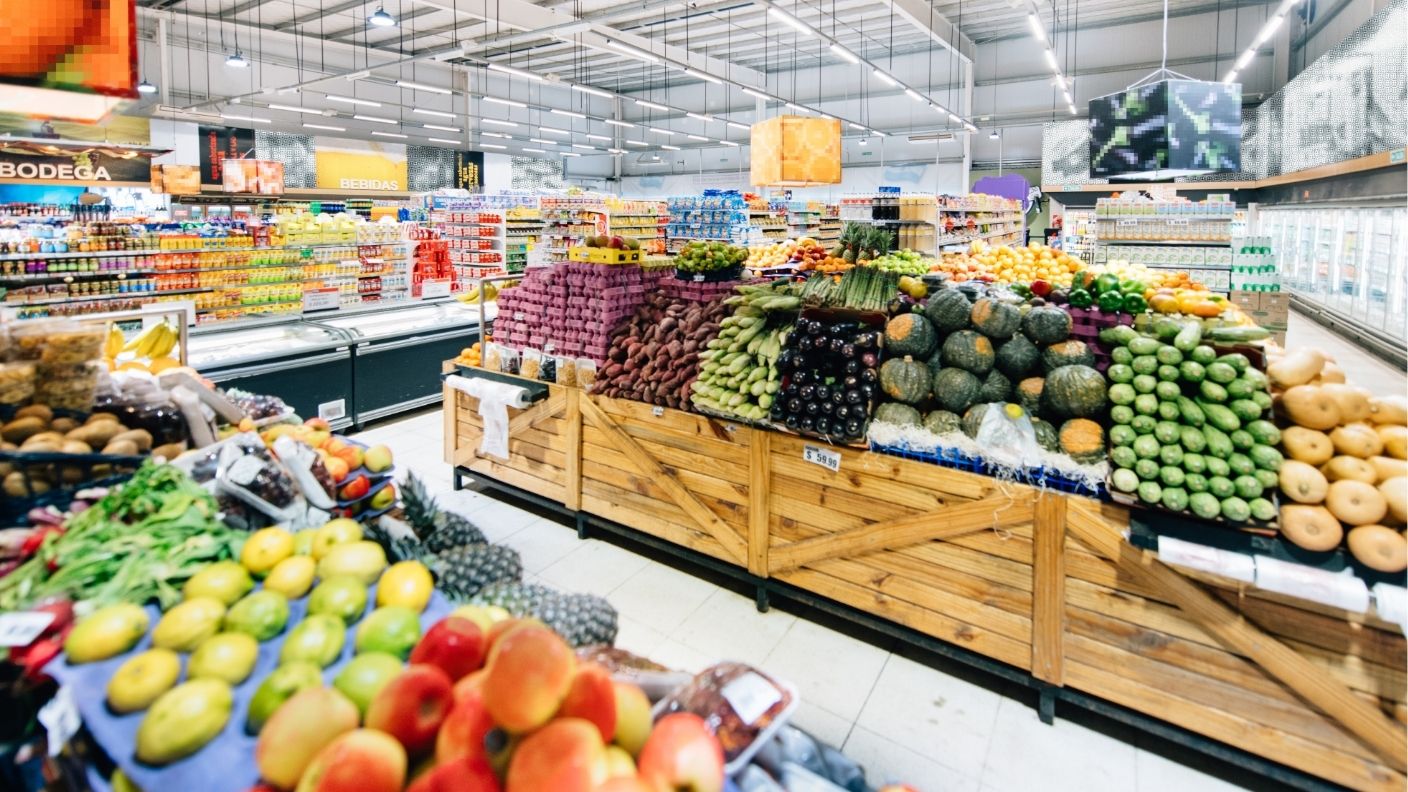

Walking into a store for one or two specific items and walking out with a cart full of extras, and a noticeably lighter wallet, is an incredibly common experience. It rarely feels like a coincidence because it usually is not one.
Retailers have engineered several specific details into the shopping experience that push spending higher than anyone planned. Keep reading to see what is actually happening every time you walk through those doors.
The Cart Itself Is Working Against You
The shopping cart itself plays a bigger role in overspending than most people realize. Consultant Martin Lindstrom has reported that doubling the size of a shopping cart leads customers to buy nearly forty percent more, since a half full cart makes purchases look smaller by comparison.
That is part of why carts have steadily grown larger over the decades rather than staying the same size. An empty feeling cart creates a subtle kind of pressure to keep adding items until it feels appropriately full.
Everyday Staples Get Hidden On Purpose
The placement of common staples inside the store is rarely accidental either. Milk, eggs and bread, some of the most frequently purchased items in any supermarket, typically sit toward the back or far corners rather than near the entrance.
That layout forces shoppers to walk past dozens of other tempting products just to grab the basics they actually came for. Every extra aisle passed is another opportunity for something unplanned to land in the cart.
Most Decisions Happen Once You Are Already Inside
A huge share of what ends up in a cart was never decided before walking into the store at all. Research suggests the average shopper makes roughly seventy percent of purchase decisions while actually standing inside the store, not while making a list at home.
That number reveals just how much influence the environment itself has over spending. A carefully designed store is not simply hosting a shopping trip, it is actively shaping the decisions being made throughout it.
The Longer You Stay, The More You Buy
Time spent inside the store matters just as much as anything on the shelves. Research has found that after about forty minutes of shopping, most people stop making careful, rational choices and start shopping more emotionally instead.
That shift is exactly the point where unplanned purchases start piling up fastest. The layouts, scents and oversized carts all work together toward the same basic goal, keeping shoppers in the store just long enough for that shift to happen.
So the next time a quick supermarket trip somehow turns into a full cart, it probably was not a lack of self control at all. Sometimes the store simply did exactly what it was designed to do.
RELATED ARTICLE: The Grocery Shortcut That Feels Lazy but Many Chefs Use Too
