


Why More Home Cooks Are Returning to Cast Iron After Years of Nonstick


Nonstick pans took over American kitchens for a simple reason, easy cleanup and food that never stuck to the pan. For years, that convenience made them the obvious choice over anything heavier or more old fashioned.
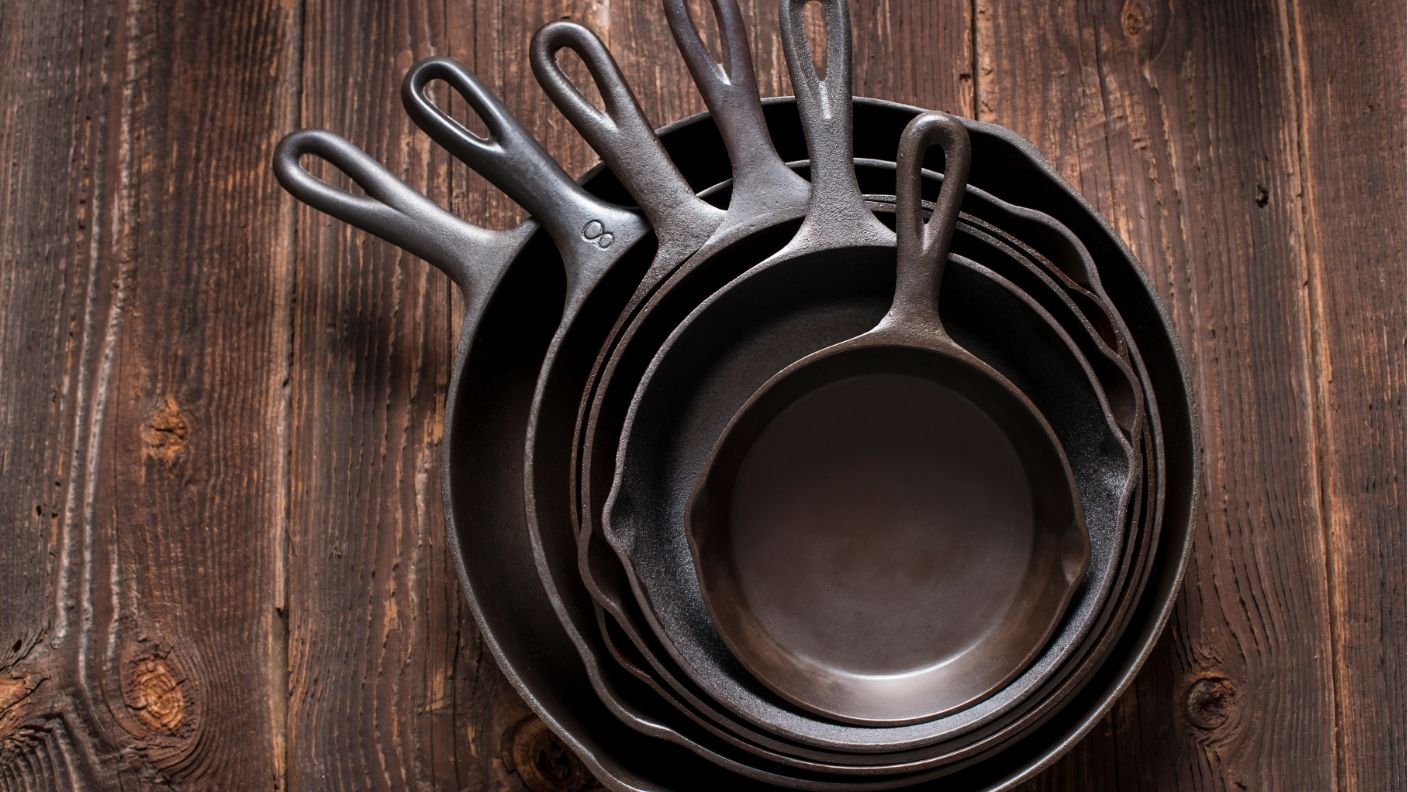
Lately, a much heavier, older style of pan has been climbing back into kitchens across the country. Keep reading to see what changed and why so many cooks are picking cast iron back up.
A Health Concern Started The Whole Shift
The shift traces back to growing concern over the chemical used to bond older nonstick coatings together. Health worries about PFOA specifically began eroding consumer trust in nonstick cookware starting in the early 2000s.
That concern has only grown as more research into PFAS chemicals, sometimes called forever chemicals, has come out in recent years. Cast iron, along with materials like stainless steel and carbon steel, does not rely on any synthetic coating at all.
The Sales Numbers Reflect A Real Comeback
This is not just a feeling among a few nostalgic home cooks, the sales data backs it up clearly. Lodge Manufacturing, the oldest cast iron cookware maker in the country, has reported a notable surge in sales beginning around 2015, a trend that has held steady since.
The comeback is not coming from just one direction either. Younger cooks drawn to cooking from scratch, retirees pulling old pans out of storage, and online restoration communities sharing seasoning tips have all fed into the same broader trend.
Chefs Never Really Left Cast Iron Behind
Professional kitchens largely skipped the nonstick trend from the very beginning. Chefs have consistently stuck with cast iron and carbon steel for the sear and depth of flavor those materials deliver, something a nonstick coating simply cannot replicate.
That professional preference has trickled down into home kitchens as more people pay attention to how chefs actually cook. Watching a cast iron skillet produce a better crust on a steak or chicken thigh has been enough to convince plenty of home cooks to make the switch themselves.
The Upkeep Is Not As Hard As People Assume
A lot of the hesitation around cast iron comes down to a reputation for being difficult to maintain. In reality, seasoning a pan just means rubbing it with oil and baking it, something that only needs to happen occasionally rather than after every single use.
Drying the pan thoroughly after washing is really the only habit that matters day to day. In exchange for that small bit of care, a well seasoned cast iron pan can realistically last for generations rather than needing to be replaced every few years.
So if a heavy, black skillet has started showing up in more kitchens lately, it is not just nostalgia driving the trend. Sometimes the old fashioned option turns out to be the more durable, and more trusted, choice all along.
RELATED ARTICLE: The Dinner Shortcut That Still Feels Homemade
