


The Ingredients That Divide Scientists and Consumers

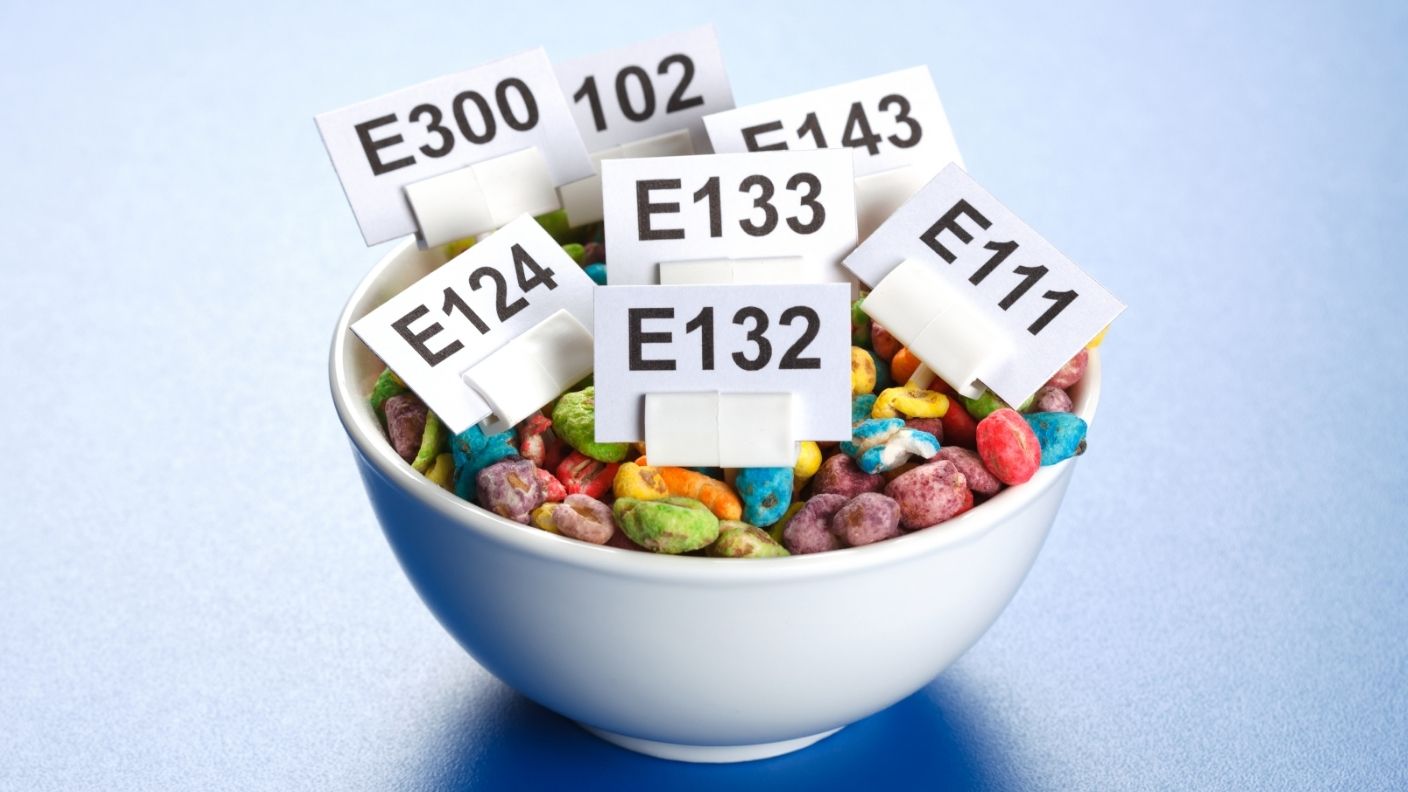

Grocery aisles have started to feel like a minefield lately, with online warnings circulating about ingredients that sound alarming on a label. Scientists and everyday shoppers do not always agree on which of those warnings actually deserve concern.
A handful of specific ingredients keep sitting right at the center of that tension. Keep reading to see which ones split expert opinion from public opinion the most.
Seed Oils Have Become An Unlikely Flashpoint
Seed oils like canola, soybean and sunflower oil have become one of the most contested ingredients in recent memory. Roughly twenty eight percent of American adults now say they actively avoid them, according to a survey from the International Food Information Council.
Lipid researchers who study this area broadly maintain that seed oils remain a safe, heart healthy part of a balanced diet. That gap between public avoidance and scientific reassurance has only widened as prominent public figures continue raising alarms about them.
Synthetic Dyes Split Regulators Across The Globe
Artificial food dyes highlight a different kind of divide, one that shows up most clearly between countries. Some dyes that remain approved and widely used in the United States face restrictions or outright bans in parts of Europe.
That inconsistency fuels public suspicion even when the scientific risk assessment behind each decision differs by region and dosage. Major food companies have started phasing dyes out voluntarily anyway, regardless of what the underlying science technically requires.
MSG Still Carries A Reputation Science Never Backed Up
Few ingredients illustrate the gap between perception and evidence better than MSG. Global health authorities including the FDA, EFSA and WHO have long classified it as safe, yet the decades old idea of a reaction to it persists widely among consumers.
Controlled studies giving people MSG or a placebo have not been able to consistently trigger the symptoms some people report. Despite that consistent research record, the ingredient still carries a reputation that never really caught up with the science.
Artificial Sweeteners Remain A Source Of Real Debate
Sweeteners like aspartame, sucralose and stevia sit in a slightly different category, regulated carefully but still debated. Regulatory agencies consider them safe within established limits for most of the population, with a few specific exceptions for certain medical conditions.
Even so, ongoing research into their relationship with gut health keeps the conversation from fully settling. Unlike MSG or seed oils, this is one case where scientists themselves have not entirely closed the book either.
None of this means every consumer worry is unfounded or that every regulatory answer is final, the science on some of these ingredients keeps evolving too. Sometimes the real divide is not between right and wrong, just between how quickly research moves and how fast public opinion changes.
RELATED ARTICLE: The Health Trend Everyone Is Trying That Scientists Are Still Debating
