


What to Eat If You Want to Support Your Memory Naturally

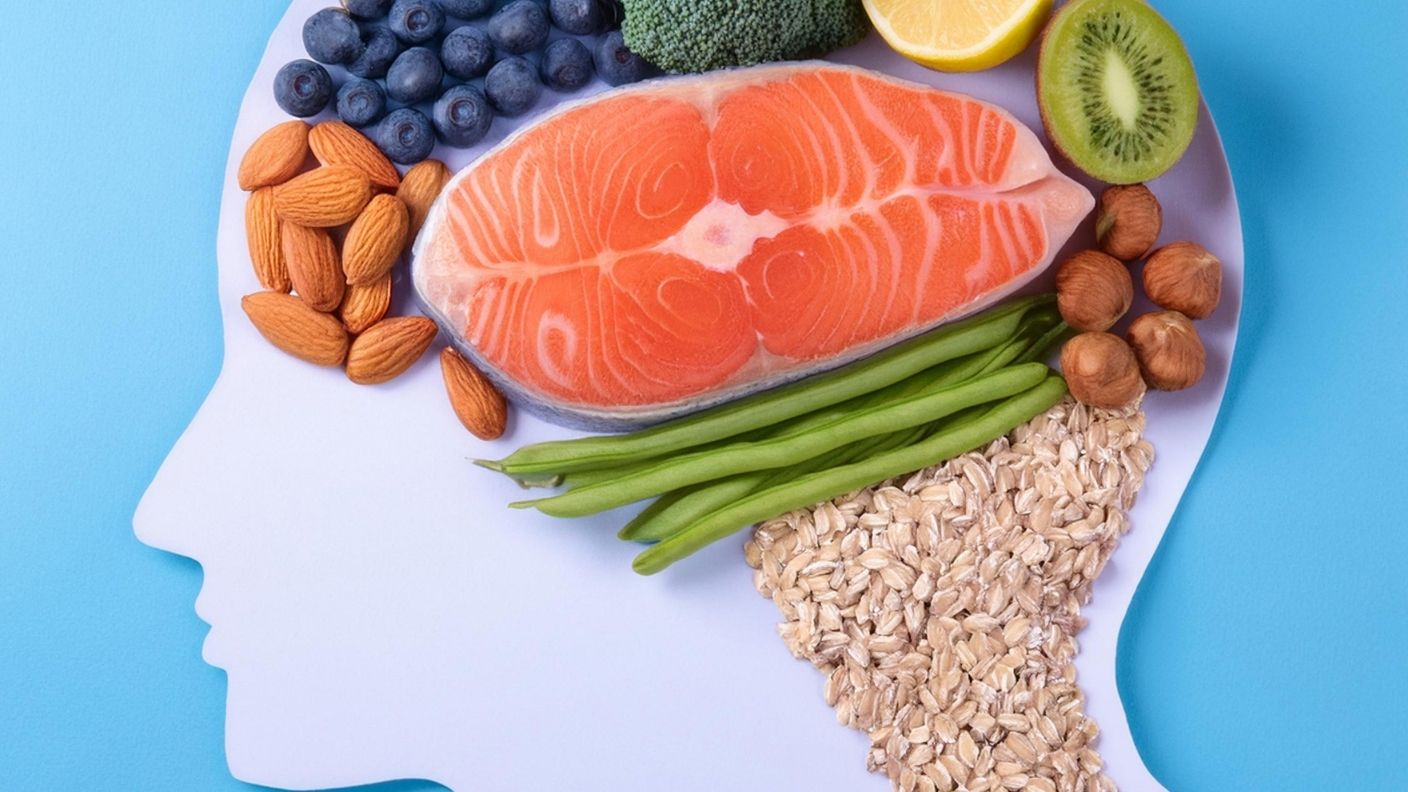

Memory decline can feel like something entirely out of anyone’s control, chalked up to genetics or bad luck. Researchers have found that diet plays a much bigger role than most people assume.
A handful of specific foods keep showing up again and again in studies focused on protecting memory. Keep reading to see which ones are actually backed by real research.
Leafy Greens Show Up As The Strongest Link
Leafy greens have emerged as one of the most consistently linked foods to slower memory decline. A Rush University study found that people who ate roughly one and a third cups of leafy greens daily had brains that functioned as well as people eleven years younger.
That effect held up even after researchers accounted for other factors like activity level and smoking. Kale, spinach and collard greens consistently rank among the most protective choices in this category.
Berries Bring A Specific Kind Of Protection
Berries owe much of their brain benefit to a class of compounds called flavonoids. One study tracking more than two thousand people found that those who consumed the most flavonoids were 40 percent less likely to develop dementia than those who consumed the least.
Blueberries in particular are rich in anthocyanins, a specific flavonoid tied to memory and cognitive function. Regularly working berries into meals appears to offer real, measurable protection over time.
Fatty Fish Delivers What The Brain Is Mostly Made Of
Fatty fish supplies a nutrient the brain depends on more than almost any other. Roughly sixty percent of the brain is made of fat, and omega three fatty acids make up a large share of that total.
Salmon, trout and sardines rank among the best sources of these fats. Regularly eating fish has been linked to lower levels of a protein that forms damaging clumps in the brains of people with Alzheimer’s disease.
Walnuts Add Another Layer Of Protection
Walnuts stand out from other nuts specifically for their memory benefits. A study out of UCLA linked higher walnut consumption to improved scores on cognitive tests.
That benefit is largely tied to a plant based omega three fat called alpha-linolenic acid, which walnuts carry in higher amounts than most other nuts. A small daily handful is enough to work meaningfully toward that benefit.
Whole Grains Provide Steady Fuel For The Brain
Brain cells rely heavily on a steady supply of glucose, and whole grains deliver that more evenly than refined carbohydrates. Foods like oats, quinoa and brown rice break down more slowly, avoiding the rapid sugar spikes tied to inflammation and worse brain function over time.
That steadier release of energy is part of why whole grains show up consistently in memory focused eating patterns like the MIND diet. Swapping refined bread or pasta for a whole grain version is a simple way to work this benefit into daily meals.
None of these foods work like a switch that guarantees a sharp memory for life, but the research behind them is genuinely consistent. Sometimes protecting your memory
RELATED ARTICLE: Lifestyle Habits That Support Memory as You Age
