


The Kitchen Habit That Reduces Food Waste Without Anyone Noticing

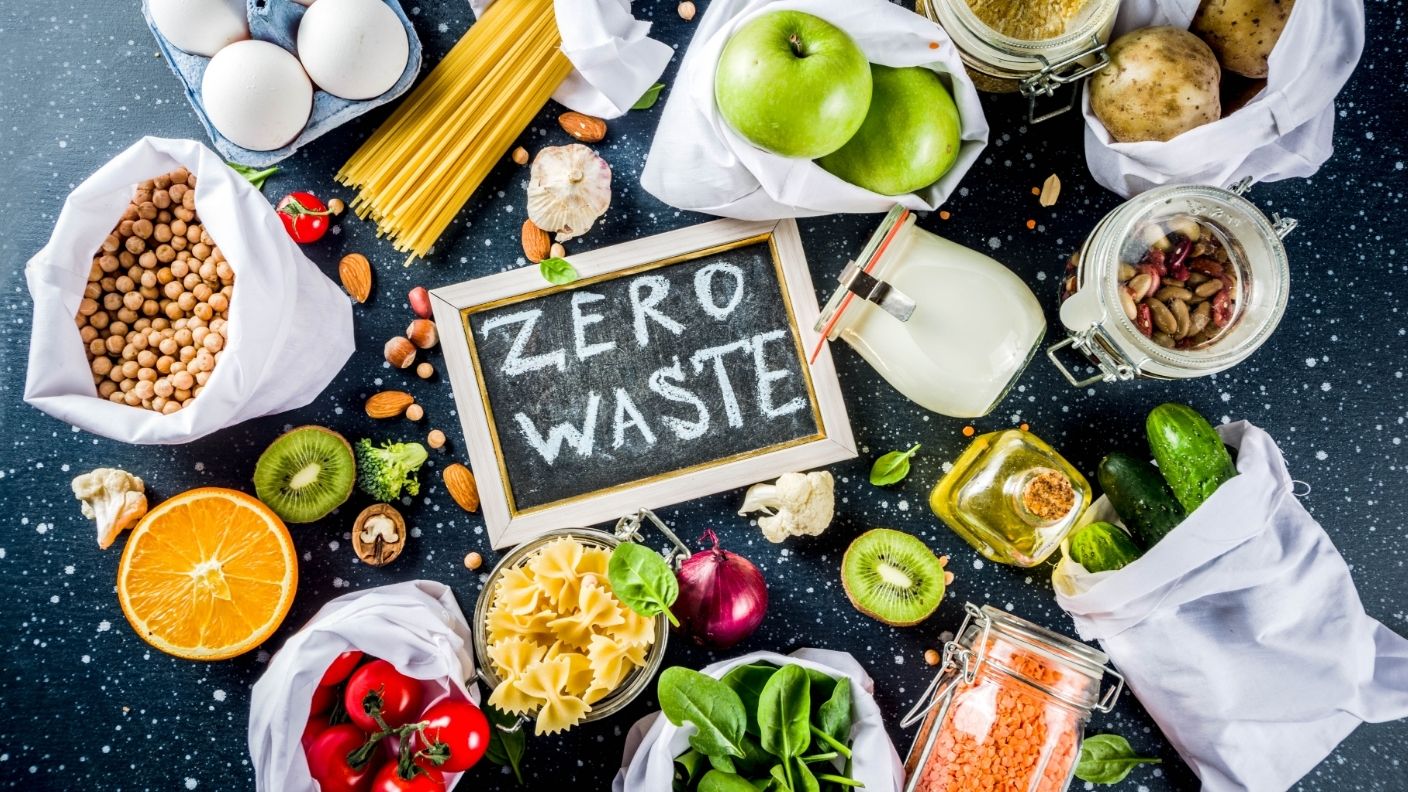

Food waste guilt is a familiar feeling, finding a bag of spinach turned to mush in the back of the fridge or tossing bread that went stale weeks ago. Most people blame themselves for forgetting what they bought.
There is one small organizing habit that fixes a lot of that without anyone in the house consciously trying to eat better. Keep reading to see what it is and how it manages to work in the background.
It Comes Down To Where Things Sit On The Shelf
The habit is called FIFO, short for first in first out, and it comes straight from professional kitchens. It means moving older items toward the front of the fridge or pantry every time something new gets put away, so the oldest food is always the easiest to reach.
Nothing about the food itself changes, just its position on the shelf. That small shift is often enough to completely change what actually gets eaten first.
Nobody Has To Think About It To Make It Work
The real appeal of this habit is that it does not require anyone else in the house to change their behavior at all. Once older items sit right at eye level in front, family members naturally reach for what needs to be used without ever being told to.
Nobody has to be reminded to eat the leftovers or use up the wilting greens. The fridge itself does the reminding, just by what happens to be sitting in front.
A Dedicated Spot Makes It Even More Effective
Some households take the idea one step further by setting aside a specific spot just for food that needs to be eaten soon. Creating an “eat me first” shelf or bin gives leftovers and aging produce one obvious, dedicated home instead of blending into the rest of the fridge.
That single visual cue tends to catch attention faster than anything scattered across multiple shelves. It turns what should I eat into a much easier question to answer at a glance.
The Numbers Behind This Habit Are Bigger Than Expected
The impact of this small shift adds up to more than most people would expect. Some estimates suggest consistent FIFO habits can reduce household food waste by 40 percent or more once the system becomes second nature.
That kind of reduction usually shows up gradually, in fewer trips to toss spoiled produce rather than one dramatic change. Over the course of a year, it can also mean real savings on a grocery bill that used to include food nobody ever got around to eating.
So if the fridge always seems to hide a science experiment in the back corner, moving the oldest items to the front might be worth trying tonight. Sometimes the easiest fix for food waste has nothing to do with buying less and everything to do with where things sit.
RELATED ARTICLE: Healthy Habits That Keep Your Skin Looking Its Best
