


The Color of Your Plate Might Be Influencing How Much You Eat

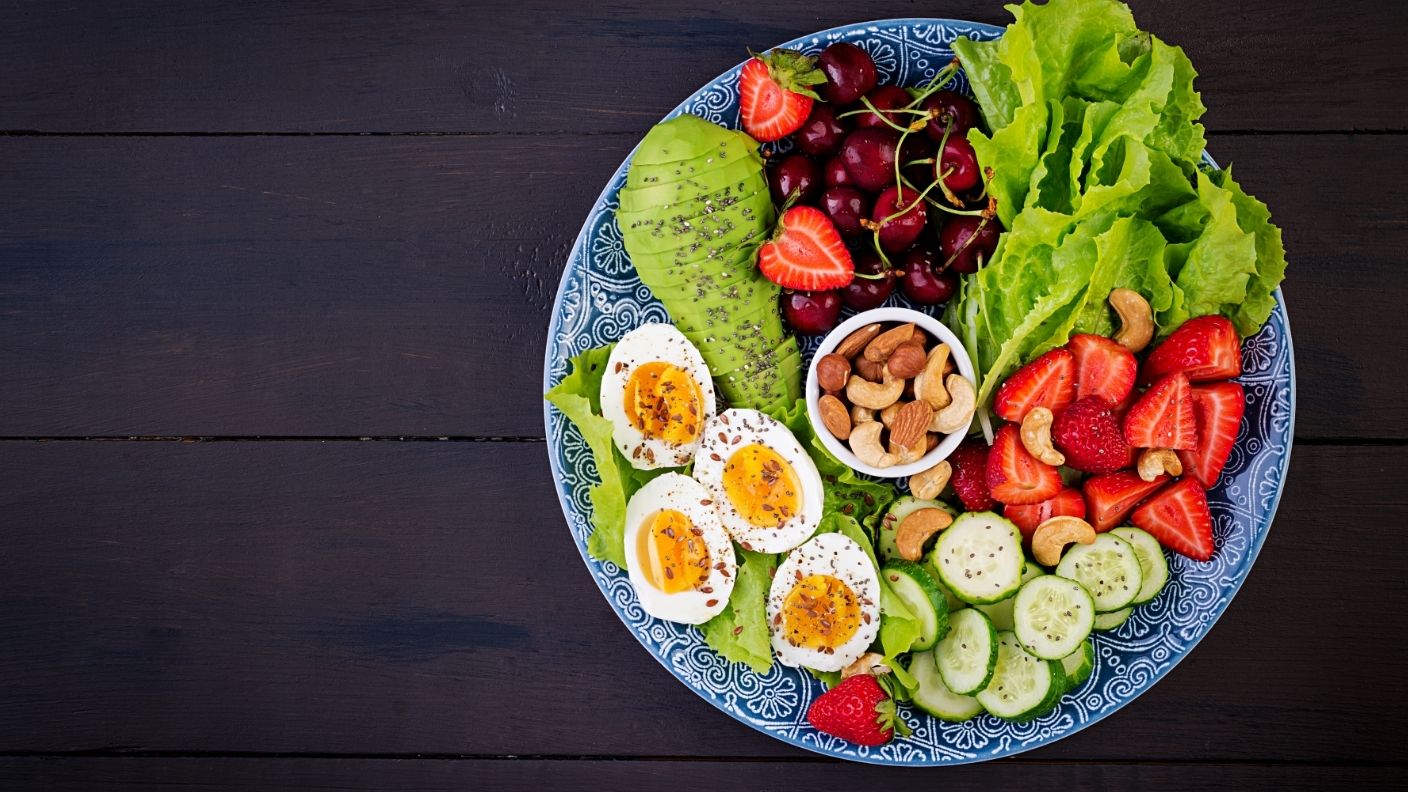

People chase every diet trick in the book, cutting carbs, skipping snacks, counting every calorie. Meanwhile a much smaller detail sitting right on the table might be shaping portions without anyone noticing.
Researchers have been studying this exact detail for years, and the results are surprisingly consistent. Keep reading to see what is hiding in plain sight at almost every meal.
The Science Behind This Optical Trick
Researchers Brian Wansink and Koert van Ittersum have studied why people tend to over serve themselves depending on their dinnerware. Their work points to something called the Delboeuf illusion, a visual effect first discovered back in the 1800s.
The idea is simple, when there is little contrast between your food and your plate, your brain has a harder time judging portion size. The less that food stands out, the easier it becomes to serve yourself more without realizing it.
One Study Found A Surprising Gap
In one buffet style experiment, guests eating pasta served themselves noticeably more when the sauce blended into the plate. People with low contrast between their food and plate served themselves nearly a third more pasta than everyone else.
Other research has landed on a similar range, with people serving twenty to thirty percent more food when their plate barely stood out from their meal. That gap adds up fast over the course of a week of meals.
Why The Colors On Your Table Matter
It is not only about contrast, the actual color on your plate can nudge your appetite too. Warm tones like red, orange and yellow are known to raise heart rate and spark hunger, which is exactly why so many fast food chains lean on those shades.
Cooler colors tend to have the opposite effect, feeling calmer and less stimulating at the table. That is part of why some nutrition minded households have started leaning toward blues and greens instead.
The Easiest Fix Is Already In Your Cabinet
You do not need a full new dinnerware set to put any of this to use. Simply picking a plate that contrasts with whatever you are eating that night can make portions easier to judge at a glance.
Light colored meals show up better against a darker plate, and darker meals stand out more on something lighter. It is a tiny swap, but one that gives your eyes an honest look at exactly how much food is really on your plate.
So before reaching for a new diet plan, it might be worth taking a second look at your dish drawer. Sometimes the simplest fix really is just a matter of contrast.
RELATED ARTICLE: The “Natural” Foods That Are More Processed Than You Think
